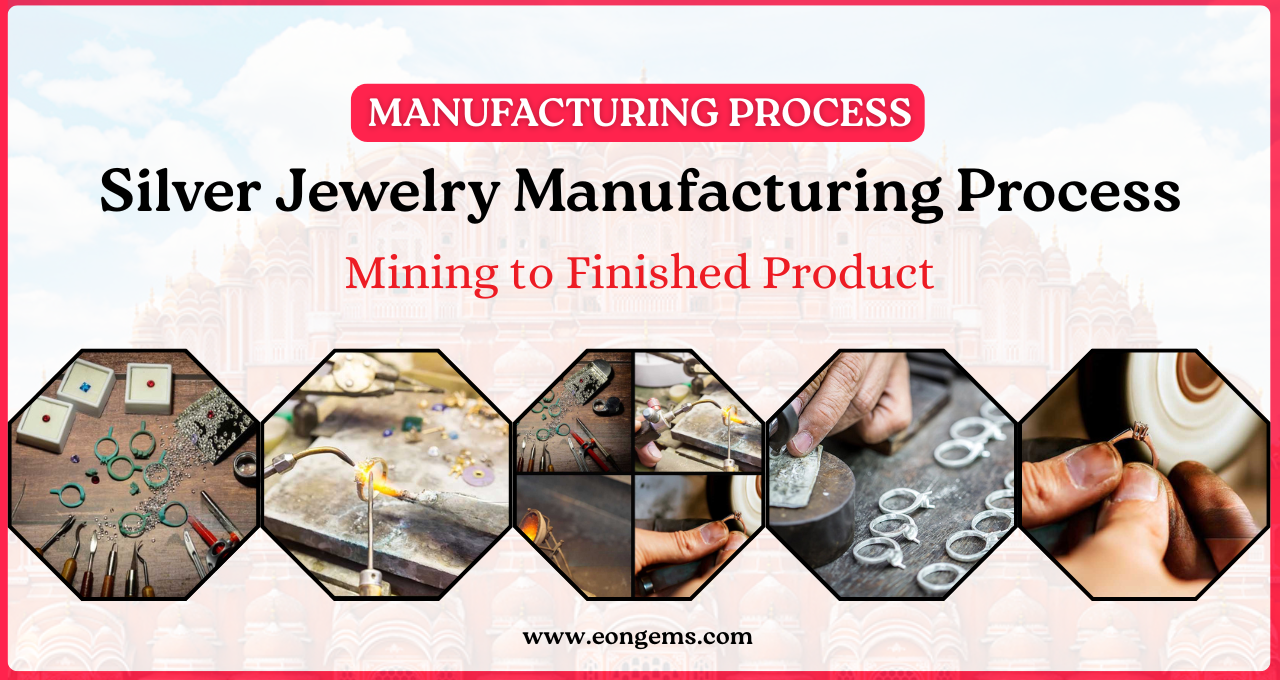
Silver has always been a top choice for fine jewelry after gold. Its bright shine, excellent ductility, and malleability make it ideal for crafting everything from minimal daily-wear designs to bold statement pieces. In this guide, we will walk through the Silver Jewelry Manufacturing Process in a clear, practical way, from sourcing silver to finishing, plating, and quality checks.
If you are a brand, reseller, or startup looking for a reliable vendor, this breakdown also helps you understand what to ask a manufacturer, and where quality really matters.
1. Mining and Extraction, Raw Silver Supply Chain
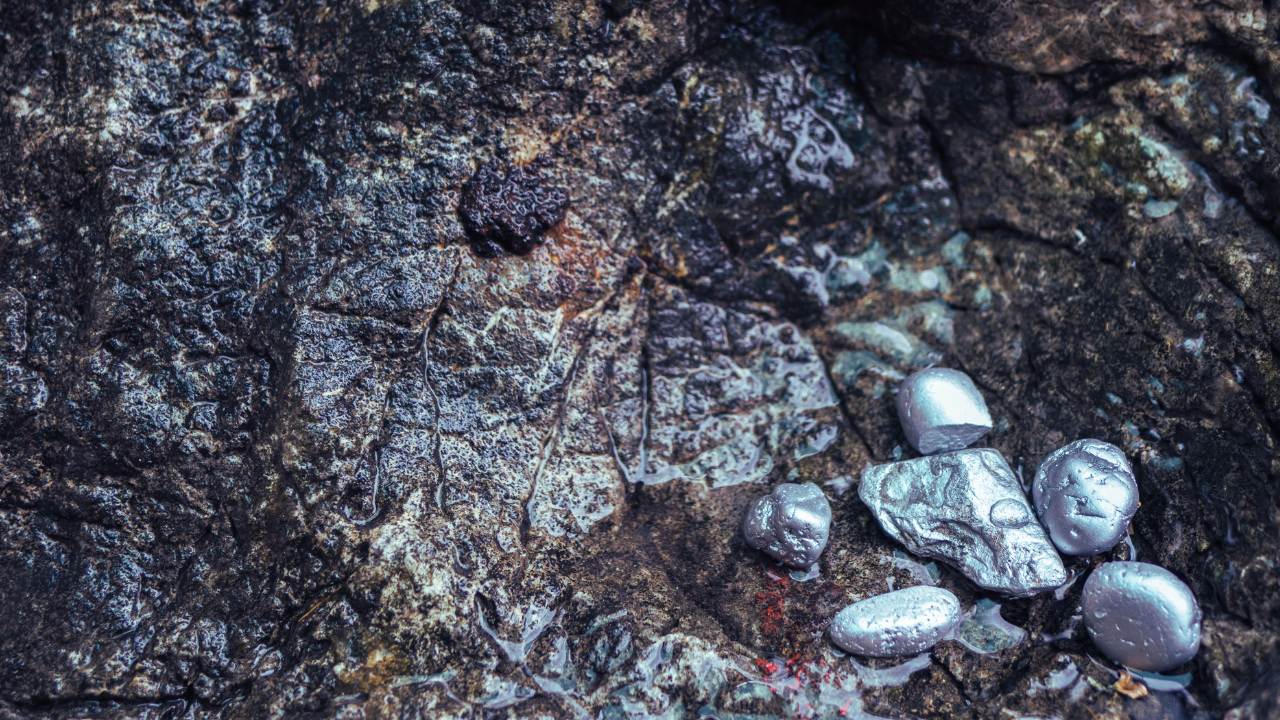
Silver is naturally found in ore form beneath the Earth’s crust, usually mixed with other metals like copper, lead, and zinc. Common silver-bearing ores include Argentite and Galena. Under government and environmental guidelines, mining companies extract ore and then separate silver using industrial methods to remove impurities.
This part is not directly inside a factory’s jewelry workshop, but it is still the starting point of the Silver Jewelry Manufacturing Process because the purity and sourcing quality influence the final output.
2. Refining, Achieving High-Purity Silver
Refining is where raw silver becomes suitable for jewelry. To produce high-purity silver, refiners typically use:
- Electrolytic refining, for consistent high purity
- Fire refining, often used as an initial purification step
For jewelry, manufacturers often work with Sterling Silver (925) rather than 999 fine silver, because sterling offers better strength for daily wear. This is where the supply chain meets jewelry production requirements.
3. Forming, Bars, Ingots, and Grain
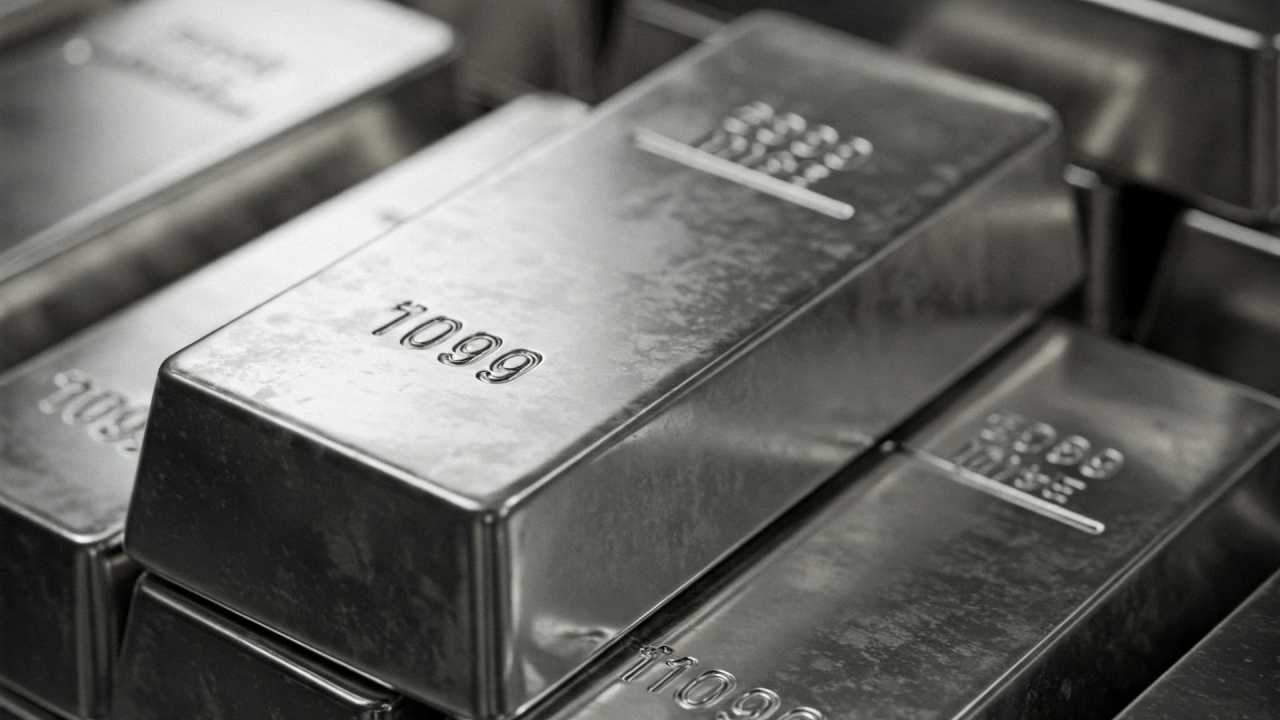
After refining, silver is melted and shaped into:
- Bars and ingots, commonly traded in bulk
- Silver grain, easier for accurate weight measurement during casting
Most manufacturers purchase silver in these forms to start the production cycle.
Silver Jewelry Manufacturing Process Inside a Workshop
Now let’s go into the real jewelry-making stages, from design to finishing, packaging, and dispatch.
1. Sketch Making and Design Tracing
This is the first creative stage. A designer or sketch artist creates an initial concept based on client requirements, such as:
- ring style, size range, and fit
- gemstone type and setting preference
- finishing style, matte, high-polish, oxidized, or textured
If you are developing collections, you will also benefit from staying aligned with latest trends in jewellery design using moodboards and market references.
2. CAD (Computer Aided Design), Turning Ideas Into Precise Models
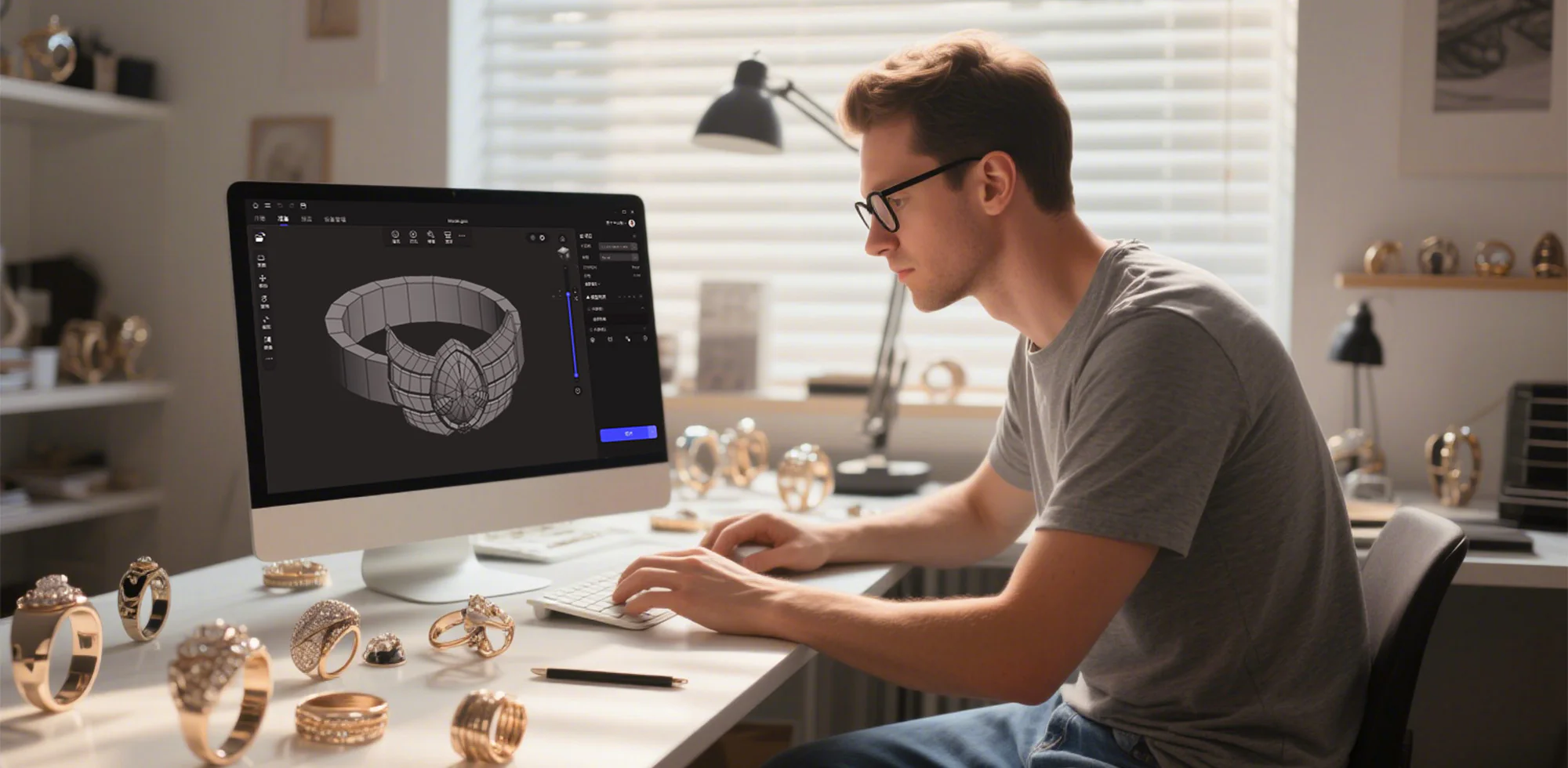
CAD converts the sketch into a detailed 3D model. This stage helps confirm:
- exact dimensions and thickness
- stone sizes and placement
- weight estimates for costing
- feasibility for casting and setting
CAD is a crucial point in the Silver Jewelry Manufacturing Process because corrections here are faster and cheaper than fixing issues after casting.
3. CAM (Computer Aided Manufacturing), Wax Model Creation
From CAD, CAM machines create a wax model, often called the master model. This wax piece represents exactly how the final jewelry will look, including:
- prong positions
- undercuts and depth
- fine details like engraving zones
4. Mold Making and Wax Replication
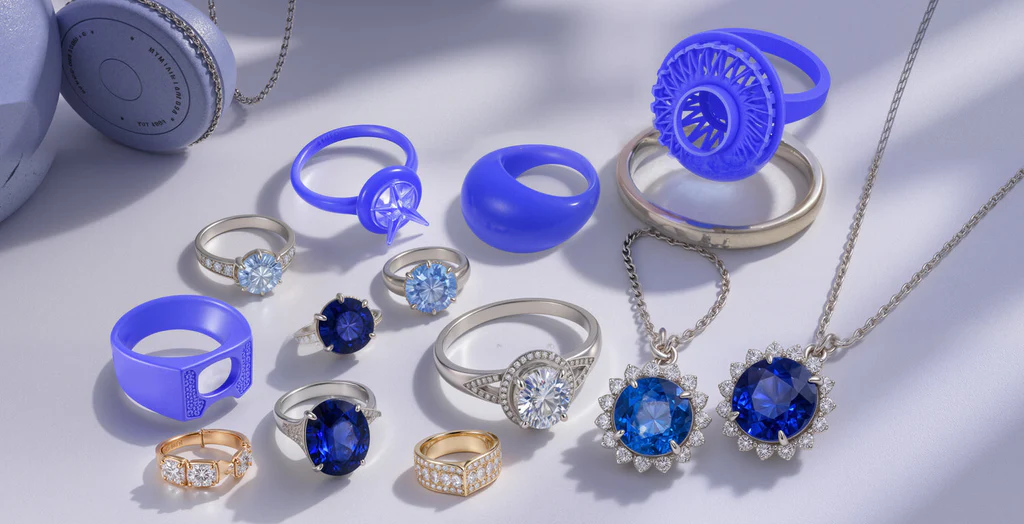
To produce multiple copies, the wax master is used to create a mold (commonly silicone rubber molds). Then, wax injection machines produce replicas of the master wax.
This step ensures consistency in bulk orders, especially for wholesale and export production.
5. Casting, Converting Wax Into Silver Jewelry
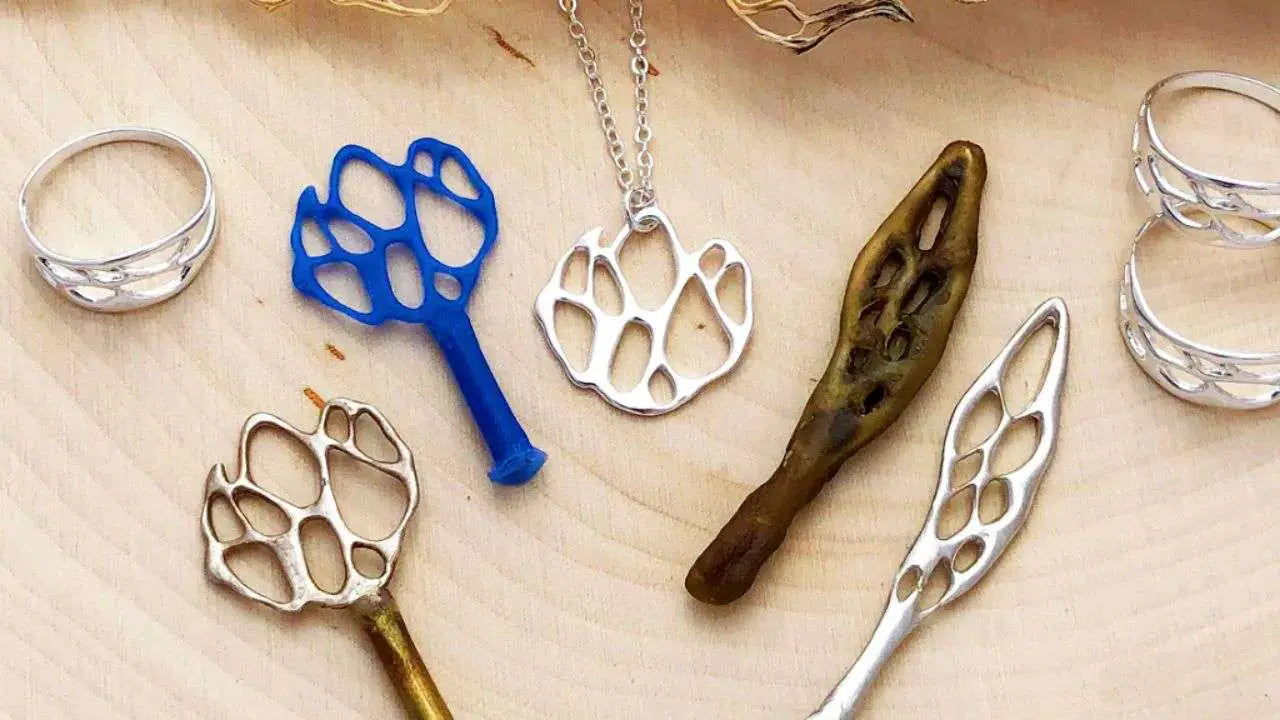
Casting is where the wax becomes metal. Most manufacturers use lost-wax casting:
- Wax replicas are attached to a wax tree
- The tree is placed in a flask and covered with investment material
- The flask is heated, wax melts out (burnout), leaving cavities
- Molten silver is poured or injected into the cavities
- After cooling, pieces are removed and separated from the tree
This is the most defining stage of the Silver Jewelry Manufacturing Process because it impacts the surface quality, porosity, and strength of the final pieces.
If you want to understand manufacturing at a broader level, you can also check the general jewelry manufacturing process guide.
6. Cutting, Filing, and Pre-Polish Finishing
Freshly cast pieces have sprues, rough edges, and surface texture. Craftsmen do:
- sprue cutting
- filing and emery work
- smoothing joints and edges
- pre-polish to prepare for stone setting or final polish
This is where skilled workmanship becomes visible.
7. Stone Setting, The Detail That Defines Luxury
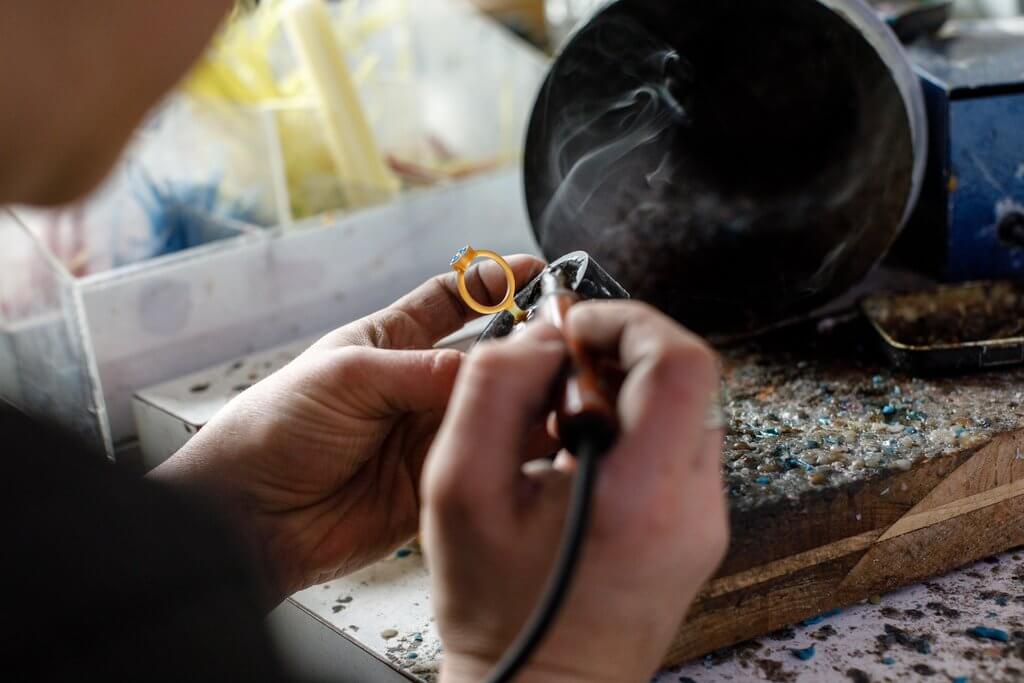
Stone setting is one of the most quality-sensitive steps. The setting method depends on the design and gemstone type, for example:
- prong setting
- bezel setting
- pave setting
- channel setting
If your jewelry uses gemstones, understanding stone type helps you choose the right setting technique.
If you are sourcing gemstones in bulk, this can help too.
8. Final Polishing, Shine, Mirror Finish, or Matte Texture
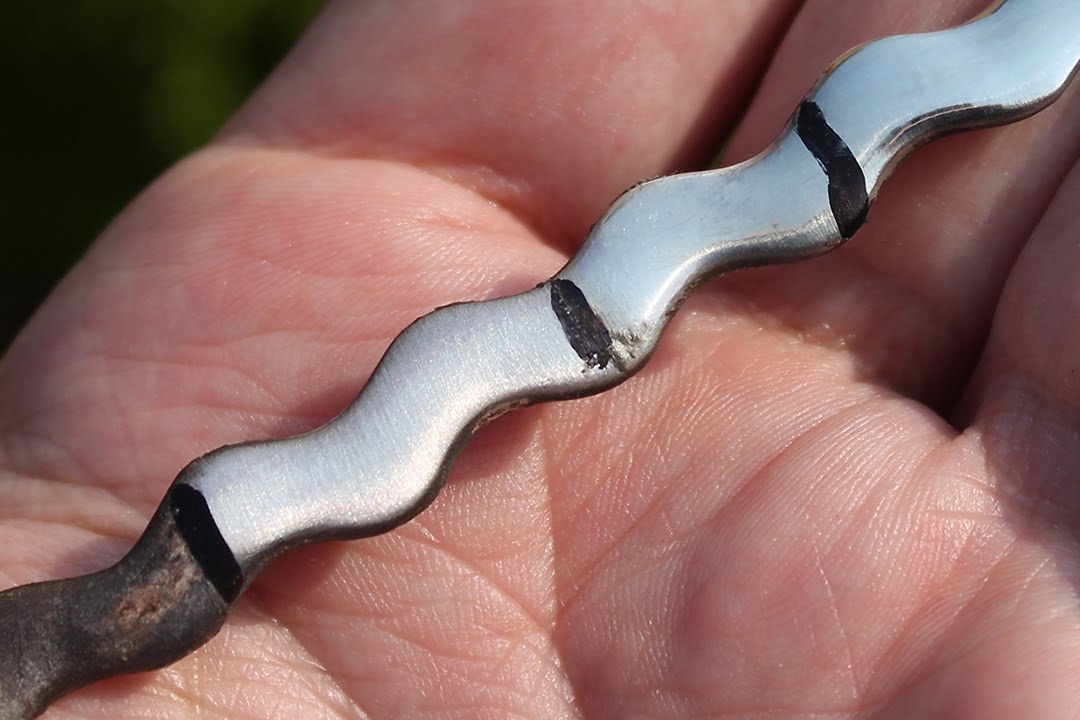
Polishing decides how premium the piece looks in hand and in photos. Manufacturers may use:
- buffing wheels and compounds
- magnetic polishing for small components
- hand finishing for detailing
- texturing methods for matte or satin looks
9. Cleaning and Rhodium Plating
Before plating, jewelry must be deeply cleaned to remove oils, dust, and polishing compounds. Common cleaning includes:
- ultrasonic cleaning
- steam cleaning
- chemical degreasing
Then comes rhodium plating, which improves brightness and helps with tarnish resistance. This step matters a lot for brands selling premium-looking silver.
For customers who have allergies or skin sensitivity, plating and metal composition decisions also matter.
10. Quality Check and Hallmarking Standards
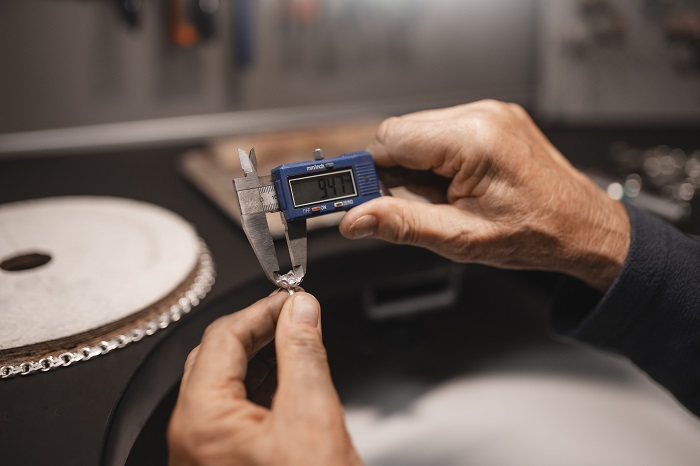
A strong quality control process in the Silver Jewelry Manufacturing Process typically checks:
- weight tolerance and size accuracy
- stone tightness and symmetry
- prong alignment and finishing quality
- plating thickness consistency
- solder strength and durability
Many manufacturers also support hallmarking depending on target market and compliance.
If you are choosing a production partner, this guide can help you evaluate correctly.
11. Packaging and Dispatch for Retail or Export
For export and wholesale, professional packaging is not optional. It usually includes:
- individual polybags or anti-tarnish pouches
- barcoding, labels, and SKU tagging
- brand-ready boxes for retail
- export cartons and documentation readiness
If your goal is resale, this is a helpful read.: https://eongems.com/buy-wholesale-jewelry-for-resale/
FAQs on Silver Jewelry Manufacturing Process
1) What is the Silver Jewelry Manufacturing Process?
2) Why is 925 sterling silver used instead of 999 fine silver?
3) What is lost-wax casting in silver jewelry manufacturing?
4) Does rhodium plating prevent tarnishing?
5) How do manufacturers ensure stones do not fall out?
6) Can silver jewelry be manufactured in bulk for wholesale?
7) How long does it take to manufacture a silver jewelry piece?
8) How do I choose a reliable silver jewelry manufacturer?
Conclusion
Silver jewelry manufacturing is not a one-step process, there are many processes involved in jewelery manufacturing and all of them need an expert artisan for that work. A whole dedicated team is required to manage all these processes. That is why always work with settled businesses in this industry whenever working with manufacturing services. There are lots of frauds going on in the market mainly by middlemen and brokers.
Please ensure that you always connect with the right person and owner or managing member of the company whenever you are working in jewelry manufacturing especially when you have little or no knowledge of the market and working as a startup, you never know what you are getting.
For beautiful silver jewelries and expert craftsmanship, get in touch with eongems, a leading silver manufacturing service provider company in Jaipur. Call us at +91-8769104410 or email gaurav@eongems.com to explore our stunning collection.