How can you tell if a gemstone is real or fake? The safest way is to combine a few simple at-home checks: use a 10x loupe, look for bubbles or natural inclusions, study color and facet edges, compare weight and feel, and ask the seller clear questions about treatments and certification. No single home test proves authenticity, but several smart checks together can help you identify red flags before you buy. Pages ranking well for this topic consistently focus on these practical, non-destructive checks.
Buying a gemstone should feel exciting, not stressful. Yet with glass imitations, dyed stones, composites, and undisclosed treatments in the market, many shoppers want to know how to identify gemstones at home before spending money. The good news is that you can catch many fake or misleading stones with simple observation, basic tools, and a careful buying process.
For an overview of available stones and sourcing options, explore the Gemstones collection.
What does “real” mean in gemstones?
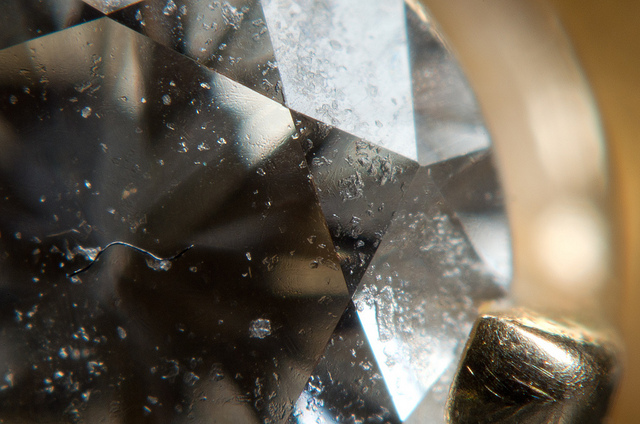
Before testing anything, define what you are trying to confirm. In gemstones, “real” can mean natural, lab grown, or simply “not an imitation,” and those are not the same thing. GIA distinguishes natural, synthetic, and treated gems using identifying internal features and other gemological evidence.
Here is the simplest way to think about it:
- Natural gemstone: formed in nature, though it may still be treated
- Lab grown gemstone: has essentially the same chemical and physical properties as the natural version, but is created in a controlled environment
- Imitation gemstone: made from a different material such as glass, resin, or plastic to look like a gemstone
- Treated gemstone: a natural gem improved by heat, filling, dye, coating, or another process
- Composite stone: assembled from multiple pieces, such as doublets and triplets
If you want to understand how sourcing and quality steps work in production, review the workflow on the Process page.
Start with the easiest visual checks
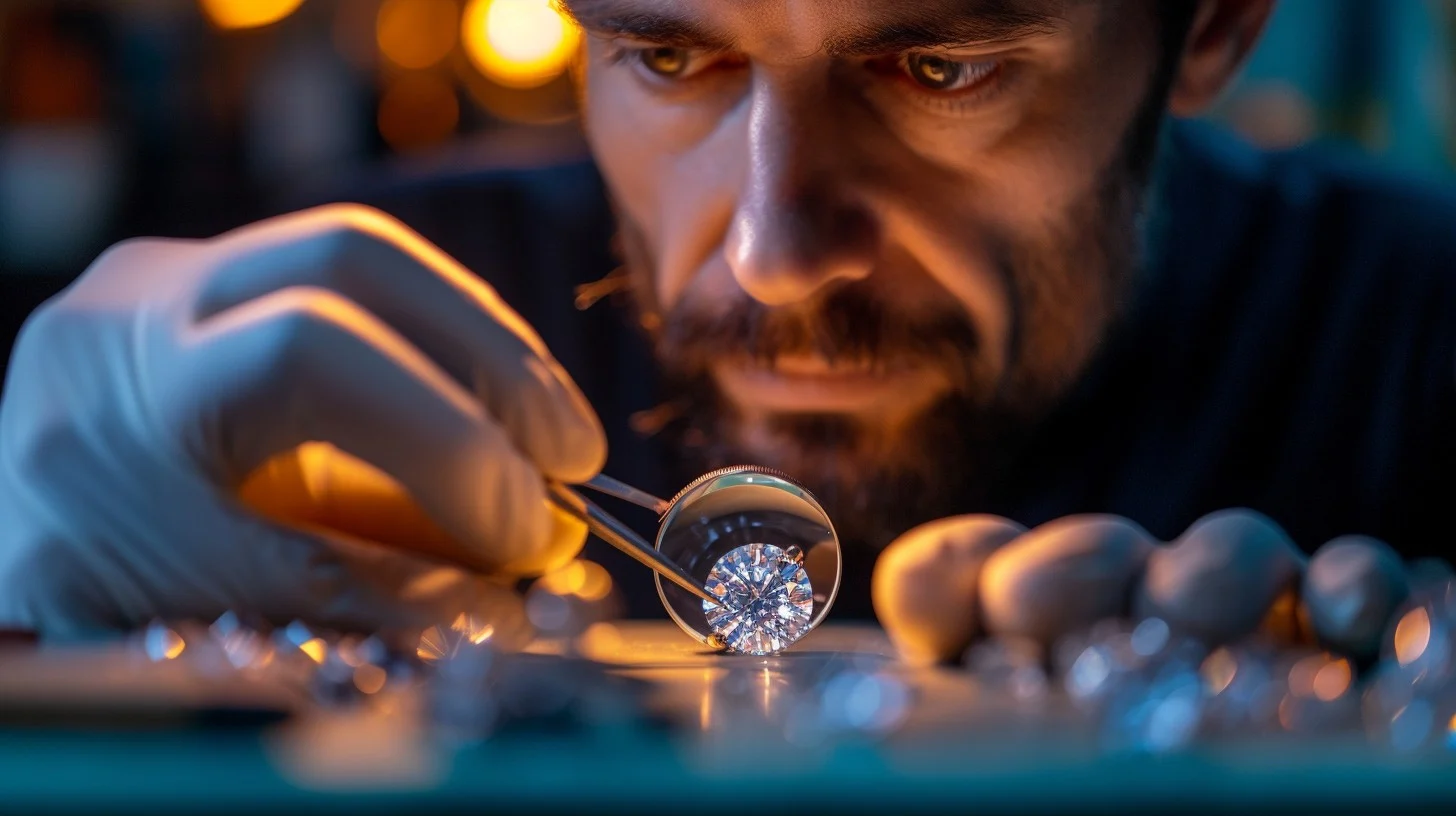
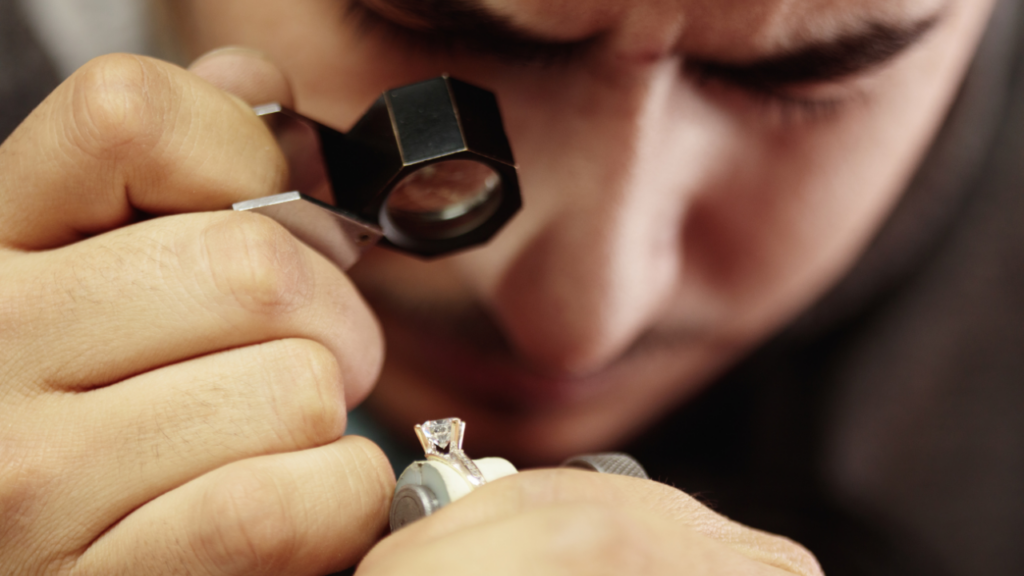
One of the most useful ways to learn how to tell if a gemstone is real is to inspect the inside of the stone with a 10x loupe, which is the standard magnification for gemstone inspection. GIA notes that inclusions are important for determining whether a gem is natural, synthetic, or treated.
Look for these signs:
- natural gemstones often show irregular inclusions such as crystals, needles, fingerprints, or clouds
- glass often shows round gas bubbles and flow structure
- some synthetics can show curved growth features or other method-specific internal patterns
- filled stones can show flash effects or bubbles trapped in fractures
If a stone claimed to be a natural emerald, ruby, or sapphire looks completely empty inside, or shows obvious bubbles and curved swirls, treat that as a warning sign.
Inspect the cut and facet edges
Another practical clue for how to spot fake gemstones is the cut itself. Softer imitation materials such as glass can show more rounded facet edges, quicker wear, and less precise polish, while harder genuine gems often hold sharper facet junctions longer. This is not a perfect test on its own, but it adds useful context when combined with magnification and light behavior.
Observe color zoning and natural variation
Natural gemstones often show subtle color zoning, uneven saturation, or slight shifts in tone. Many imitations look too flat or too uniform. Competing pages frequently highlight “too perfect” color as a red flag, especially in emerald-, ruby-, and sapphire-like stones.
Look for:
- slight variation rather than one flat shade
- dye concentration in cracks or drill holes
- differences between face-up color and side-view color
If you want to compare how genuine stones look in finished designs, the EonGems homepage can help you see how gemstones appear when set and photographed professionally.
How to tell real gemstones from glass
A big part of this search intent is how to tell real gemstones from glass. Glass is one of the most common imitation materials because it is cheap, easy to shape, and visually convincing from a distance. GIA specifically notes that common glass indicators include numerous gas bubbles and flow structure.
Here are the most common signs of glass:
- round air bubbles inside the stone
- curved flow lines
- overly uniform color
- softer or more rounded facet edges
- a broader, glassier shine instead of the gem’s expected luster
This is one of the biggest content patterns across ranking guides, and it should stay prominent in your article because it matches your Search Console queries closely
Use simple physical clues without damaging the stone
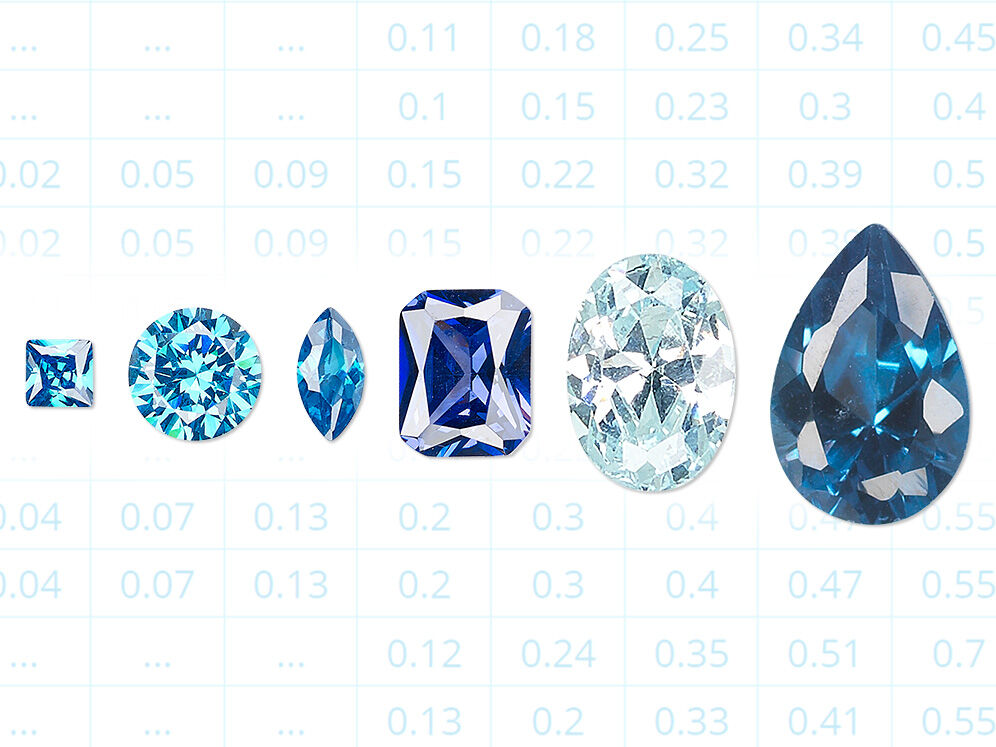
If you are trying to learn how to identify gemstones at home, avoid destructive tests. The most useful home checks are simple, non-damaging, and repeatable.
Check weight and density feel
Many fake stones feel lighter than expected for their size. Resin and plastic are especially obvious, while glass can also feel different depending on the gem being imitated. Competitor guides commonly use weight comparison as a supporting clue, not a standalone verdict.
Useful rules of thumb:
- too light for the size can suggest plastic, resin, or low-density imitation
- noticeably heavier may suggest a denser material
- comparisons only work well when you compare similar gem types or known references
Try the temperature touch check
Several ranking guides recommend the simple touch test. Real gemstones often feel cool at first touch and warm more slowly than plastic imitations. This is not definitive, but it can help rule out obvious fakes.
Watch how the stone handles light
Different gemstones interact with light in different ways. Some show crisp brilliance, some have a softer glow, and some have a waxier or oilier look by nature. A broad, dull, glassy shine can be a warning sign when the stone is supposed to have stronger brilliance or more depth. This is why beginners should always compare the observed look with the expected look for that gem type.
To understand stone categories better, see Types of Gemstones.
Learn the most common fake gemstone tactics
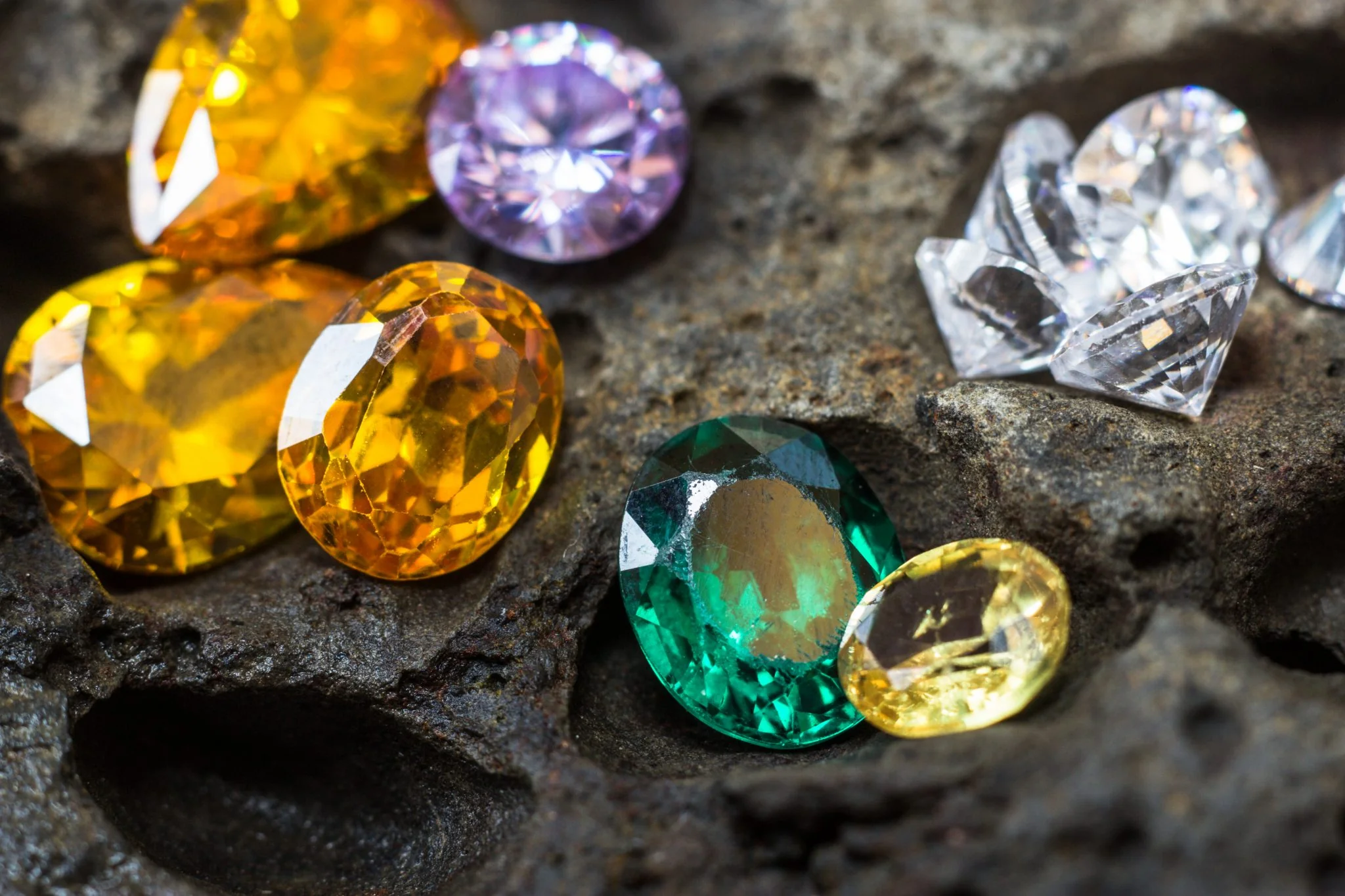
If you want to know how to tell if a gemstone is real or fake, you also need to know how fake or misleading stones are sold. A major content gap in weaker pages is that they talk only about natural vs fake, but do not explain treatments, fillings, or assembled stones. GIA and AGTA both emphasize treatment detection and disclosure as important parts of gemstone identification and trade practice.
Common imitation and enhancement methods
- glass or crystal sold as a rarer gemstone
- dyed stones sold as more valuable materials
- heat treatment, especially in ruby and sapphire
- fracture filling, especially in emerald and ruby
- coatings that improve color or add special effects
- doublets and triplets where layers are glued together
Treatments are not automatically bad, but they should be disclosed because they affect value, durability, and care.
Red flags in seller listings
Watch for these signs before you buy:
- rare gemstone offered at a price that does not fit the market
- no mention of treatments, origin, or grading
- stock photos only, with no close-up images or videos
- vague wording like “genuine” or “authentic” without specifics
- refusal to provide a lab report for a high-value stone
For more context on sourcing and cutting quality, see Gemstone Manufacturing Process and Custom Gemstone Cutting Works.
At home tests you should avoid
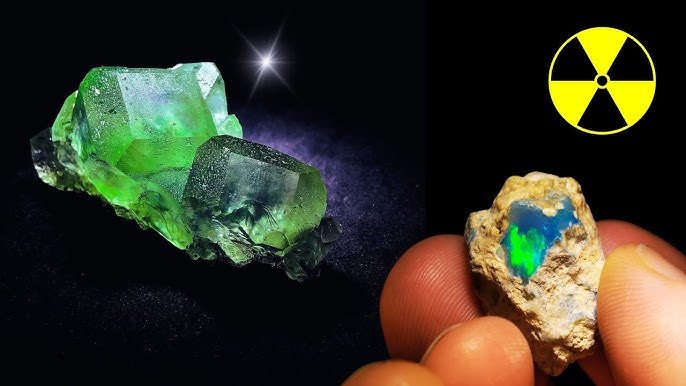
A lot of low-quality content online recommends risky tests. They may sound simple, but they can chip, crack, or permanently damage the stone. Your article should explicitly warn against them, because that makes it more trustworthy than pages pushing gimmicks.
Avoid:
- scratch testing
- acid testing
- fire or heat tests
- hammer tests
- ultrasonic cleaning on unknown stones
Observation, magnification, seller disclosure, and professional verification are safer and more reliable.
When professional testing is worth it
At-home checks are useful, but they are not enough for every purchase. GIA’s colored stone reports identify the gemstone and describe detectable treatments, while some reports also include origin opinions. That makes certification especially important when value depends on identity, treatment, or origin.
You should strongly consider a lab report for:
- large center stones
- diamonds and higher-value colored gemstones
- emerald, ruby, sapphire, and alexandrite
- vintage jewelry with unclear stone history
- wholesale or retail sourcing decisions
A good report typically includes:
- stone identity and species
- measurements and weight
- color and transparency
- detectable treatments
- sometimes origin opinion, depending on the report type
If you are sourcing for production or wholesale, see the Services page.
Smart questions to ask before you buy

Knowing how to identify real gemstones also means knowing how to question the seller. Honest sellers are usually clear and consistent about what they are offering.
Ask:
- Is the stone natural or lab grown?
- Has it been treated in any way?
- Do you provide a lab report, and from which lab?
- What is the return policy if the stone fails authentication?
- What is the exact carat weight and dimensions?
- Can you share close-up videos in natural light?
- Is the price based on any origin, clarity, or grading claim?
A simple step-by-step checklist
If you want a quick process for how to identify gemstones at home, use this:
Step 1: Inspect with magnification
Use a 10x loupe and look for:
- bubbles
- flow lines
- glue seams
- unnatural patterns
- suspiciously empty interiors
- surface wear around facet edges
Step 2: Compare expected properties
Ask yourself:
- does the color look believable for this gem type?
- does the transparency match what is typical?
- does the luster look natural, or too glassy?
Step 3: Evaluate seller information
Check whether:
- treatments are disclosed
- real images and videos are shown
- measurements and details are clear
- returns are allowed
Step 4: Decide if you need certification
For lower-value everyday gems, a transparent seller may be enough. For expensive stones, request a reputable lab report.
Frequently asked questions
Use a 10x loupe and look for bubbles, flow lines, glue seams, suspiciously perfect clarity, and signs of filling or coating. That is one of the most common and reliable beginner checks mentioned across top guides.
Combine several checks: inspect inclusions, look for bubbles, compare weight and feel, study color variation, review seller details, and request certification for expensive stones. No single home test is enough on its own.
Glass often shows round bubbles, flow lines, overly even color, and a broad glassy shine. GIA also notes gas bubbles and flow structure as common microscopic glass indicators.
Yes. Lab-grown gemstones are real in chemistry and physical properties, but they are man-made rather than naturally formed. GIA treats synthetic gems as distinct from natural gems and identifies them using growth-related features and other gemological evidence.
Yes. Many natural gemstones are treated, especially ruby, sapphire, and emerald. Treatments are common, but they should be disclosed because they affect value, care, and durability.
Not always. For low-value gemstones, a clear listing and return policy may be enough. For expensive stones, certification is strongly recommended.
A 10x loupe, neutral white light, a clean cloth, and optionally a digital scale are a strong starting point for at-home checks.
Use magnification around the visible edges, check for glue lines or seams, and consider professional verification if the setting blocks a clear view or the stone is valuable. Composite construction and filling can sometimes be hidden by the setting.
Conclusion
Learning how to identify gemstones at home comes down to combining careful observation with smarter buying habits. Use a loupe, look for bubbles and unnatural patterns, compare the stone’s color and light behavior, ask direct questions about treatment, and avoid destructive tests. This matches the strongest advice across both ranking guides and gemological sources.
When the stakes are high, professional testing and clear documentation protect your money and your confidence. A gemstone that is correctly identified, properly disclosed, and responsibly sourced always carries more long-term value.
If you want help sourcing stones or creating jewelry lines, explore the manufacturing support options on the EonGems Services page. You can also reach out through the Contact Us page on the website, or call +91 8769104410 to discuss gemstone and jewelry services.