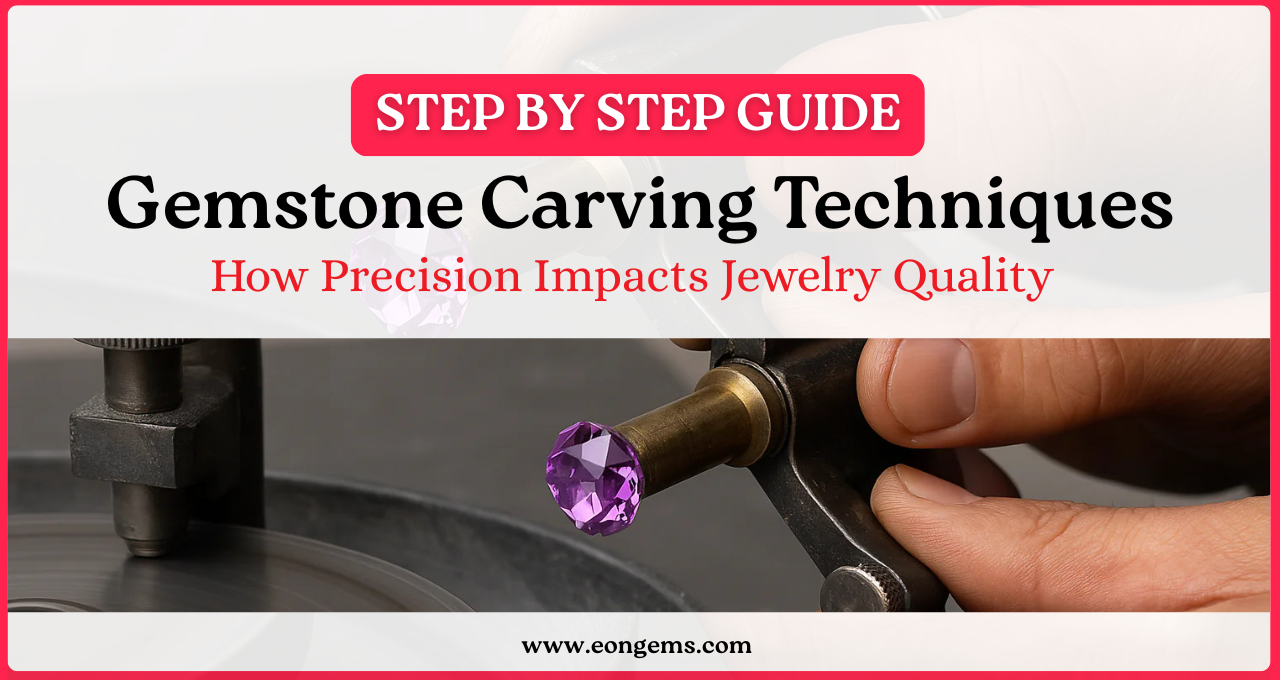
Gemstone carving techniques transform plain gemstone material into detailed shapes, symbols, and artistic designs. Unlike faceted gemstones that focus on sparkle, carved gemstones focus on form, depth, and craftsmanship. From traditional hand carving to precision modern tools, carving is used for pendants, rings, beads, figurines, cabochons, cameos, and decorative inlay work.
If you are a buyer, jewelry brand, or collector, understanding gemstone carving helps you judge quality, durability, and value. A well carved gemstone is not just beautiful. It is balanced, cleanly finished, and designed to last through everyday wear. For gemstone categories and sourcing options, explore the Gemstones collection.
What gemstone carving actually is
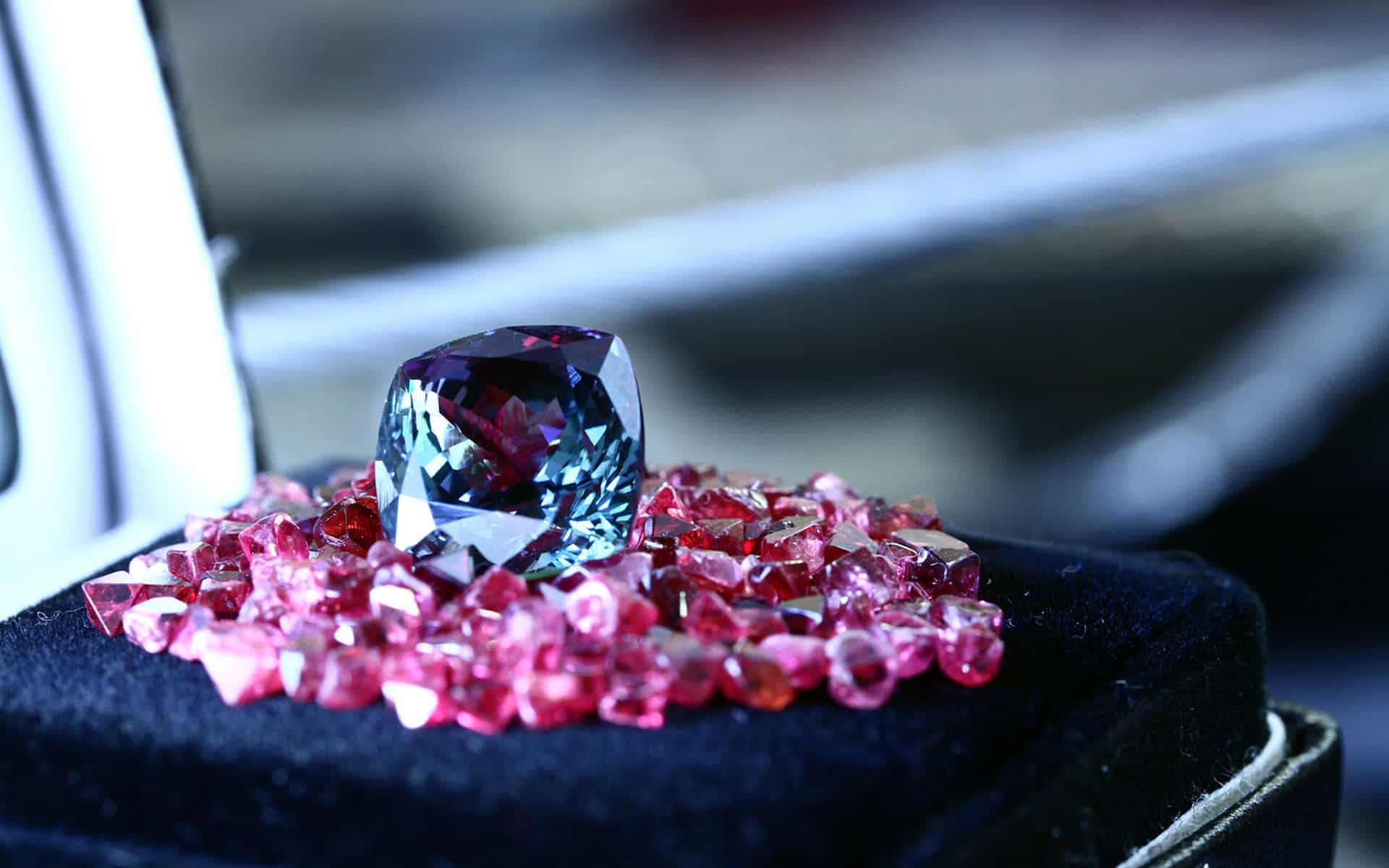
Gemstone carving is the process of shaping and detailing a gemstone using abrasive tools to create a three dimensional form or a relief design. It can be as simple as carving a smooth cabochon dome or as complex as sculpting fine floral patterns and miniature figures.
Carving can be done on many gemstone types, but the best candidates are those with stable structure and enough hardness to hold crisp details. Softer stones can still be carved, but they require gentler handling and may show wear faster.
To understand how carved stones can be prepared within production workflows, you can review the Process page.
Why gemstone carving is used in jewelry and design
Gemstone carving is popular because it creates uniqueness. A faceted stone may look similar across many designs, but carving allows personal symbolism, cultural motifs, brand signatures, and one of a kind artistic statements.
Carved gemstones also help when a stone is not ideal for faceting. If a gemstone has inclusions or is more translucent, carving can highlight its natural character rather than trying to force high brilliance.
- Creates custom motifs, initials, symbols, and religious designs
- Adds texture and depth for premium handmade jewelry
- Works well for translucent or included gemstone material
- Supports branding through signature patterns and repeats
Core gemstone carving techniques
There are several classic gemstone carving techniques. The right technique depends on the design goal, gemstone hardness, and whether the piece needs to be wearable, like a ring stone, or decorative, like a sculpture.
Relief carving
Relief carving creates a raised design that stands out from the background. The background is cut away while the design stays elevated. This technique is common in pendants, signet style jewelry, and decorative gemstone plaques.
Relief carving requires control. Clean edges, consistent depth, and smooth background finish separate high quality work from rough carving.
- Raised design with a carved background
- Good for logos, symbols, floral patterns
- Looks best with strong contrast in light and shadow
Intaglio carving
Intaglio is the opposite of relief. The design is carved into the surface, creating recessed shapes. Historically, intaglio was used for seals and signet rings because the recessed design could press into wax or clay.
Intaglio is valued for its refined look and durability. Because the design sits below the surface, it is less likely to wear down quickly compared to high raised relief.
- Recessed design carved inward
- Often used for signet rings and heritage jewelry
- More resistant to surface abrasion in daily wear
Cameo carving
Cameos are a form of relief carving that uses layered materials to create a color contrast between the design and the background. Traditionally made in shell, cameos can also be carved in layered gemstones where natural color bands exist.
A high quality cameo has crisp edges, clean facial features if it is a portrait, and smooth transitions that show skilled control.
- Uses natural layers for color contrast
- Popular for portrait style or classical motifs
- Requires careful alignment to the layers
Cabochon shaping and freeform carving
Cabochon cutting is often considered a form of carving because it involves shaping and polishing a dome rather than faceting. Freeform carving goes beyond classic outlines to create organic shapes and sculpted surfaces.
These gemstone carving techniques are popular for modern jewelry styles where natural, artistic shapes are preferred over standardized cuts.
- Smooth domes and sculpted freeforms
- Ideal for opal, moonstone, turquoise, and similar materials
- Enhances color play, glow, and pattern movement
Bead and groove carving
Carved beads are used in necklaces, bracelets, and malas. Groove carving adds channels or lines for design detail or functional stringing. This requires precision so the gemstone does not crack, especially in stones with cleavage.
- Beads shaped to uniform size and symmetry
- Grooves add pattern lines or seating points
- Drill alignment is important for durability
Tools and methods used in gemstone carving
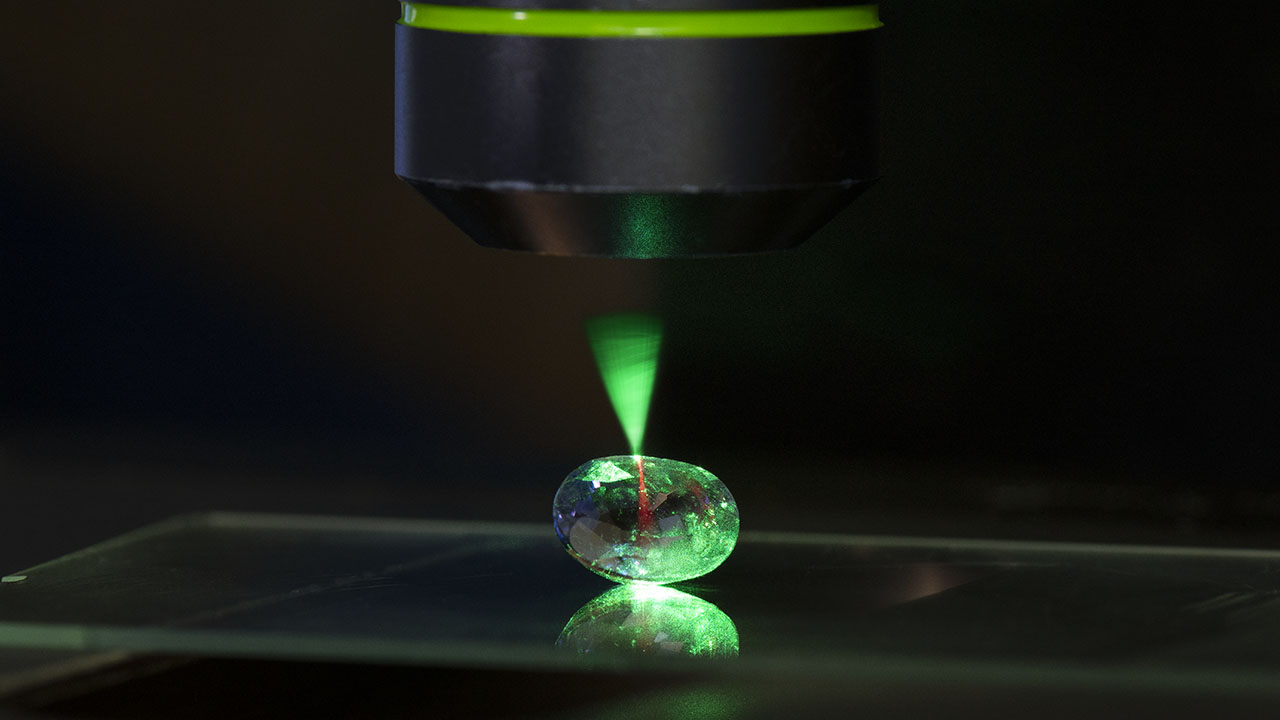
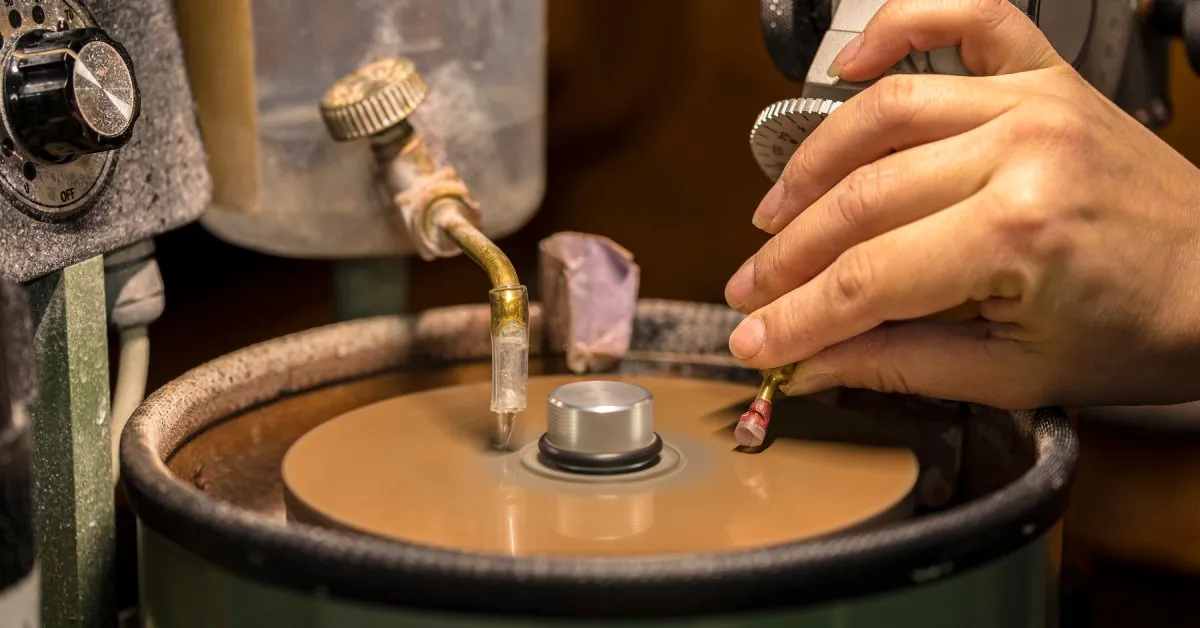
Most gemstone carving is done using abrasives. Gemstones are generally too hard for standard metal cutting tools. Instead, carvers use diamond coated burrs, wheels, and laps to grind away material gradually.
Carving can be fully hand guided or assisted by machines. Hand guided carving offers artistic flexibility. Machine assisted carving supports repeatable patterns and production consistency for brands.
- Diamond burrs for detailed shaping
- Grinding wheels for removing bulk material
- Sanding drums for smoothing surfaces
- Polishing laps and compounds for final finish
- Wax or dop sticks to hold small stones securely
If you are sourcing carved stones for production, the Services page can help you understand typical manufacturing support options.
Best gemstones for carving and why
Some gemstones are easier to carve cleanly. The ideal stone has a stable structure, good toughness, and a texture that takes a smooth polish. Very brittle stones can chip during carving. Very soft stones may scratch easily after setting.
- Jade, excellent toughness and smooth polish
- Agate and chalcedony, stable and great for cameos and intaglio
- Quartz varieties, widely used for carvings and beads
- Lapis lazuli, rich color for bold carved pieces
- Turquoise, popular for motifs but needs careful handling
- Onyx, strong contrast for relief and inlay
How quality is judged in carved gemstones
Carving quality is visible when you know what to look for. The best pieces show clean lines, consistent depth, and a polish that suits the design. Poor carving often looks fuzzy, uneven, or overly shallow.
Durability matters too. A beautiful carving that chips easily is not ideal for daily wear jewelry. For rings and bracelets, designs should avoid fragile thin projections.
- Crisp edges and clean line control
- Consistent depth across the design
- Smooth background with minimal tool marks
- Balanced symmetry when the design requires it
- Strong polish without haze or scratches
- Safe thickness for wearable jewelry settings
To see design oriented guidance that pairs well with carved gemstone jewelry, you can explore the Blog.
Common mistakes in gemstone carving
Even skilled carvers can face problems depending on gemstone type and design complexity. Many issues come from pushing too fast, overheating, or carving against weak planes in the stone.
- Overheating that creates micro cracks
- Too much pressure that causes chipping at edges
- Cutting details too thin for wearable jewelry
- Poor polishing that leaves dull, chalky surfaces
- Misaligned designs that look off center when set
Practical tips for brands ordering carved gemstones
If you are ordering carved stones for jewelry lines, clarity in your request prevents mismatches. Provide reference images, dimensions, and expected depth. Ask how the supplier handles repeat orders so your next batch matches the first.
- Share design files or clear reference photos
- Confirm gemstone type, color range, and finish level
- Specify size tolerances and thickness requirements
- Ask for sample approval before bulk production
- Confirm whether carving is hand made or machine assisted
- Discuss setting type so fragile details are avoided
Frequently asked questions
1. Are gemstone carving techniques durable for everyday wear?
2. What is the difference between carving and engraving on gemstones?
3. Are carved gemstones more expensive than faceted gemstones?
4. Which gemstones hold fine details best?
5. Can you carve precious gemstones like ruby or sapphire?
6. How do I care for carved gemstone jewelry?
7. What is cameo carving best used for?
8. How can I order matching carved stones for a collection?
Conclusion
Gemstone carving techniques bring artistry into gemstone jewelry. From relief and intaglio to cabochon shaping and cameo work, carving allows designs that feel personal, cultural, and truly unique. Quality carving depends on the right gemstone choice, precise tool control, and a polish that completes the look.
When done well, carved gemstones become wearable art that lasts. They can elevate brand identity, create signature motifs, and offer customers something more meaningful than a standard cut stone.
If you want support with carved gemstone sourcing or jewelry production, explore the Services page for related solutions. For enquiries, connect through the Contact Us page or call +91 8769104410 to discuss gemstone carving and manufacturing requirements.