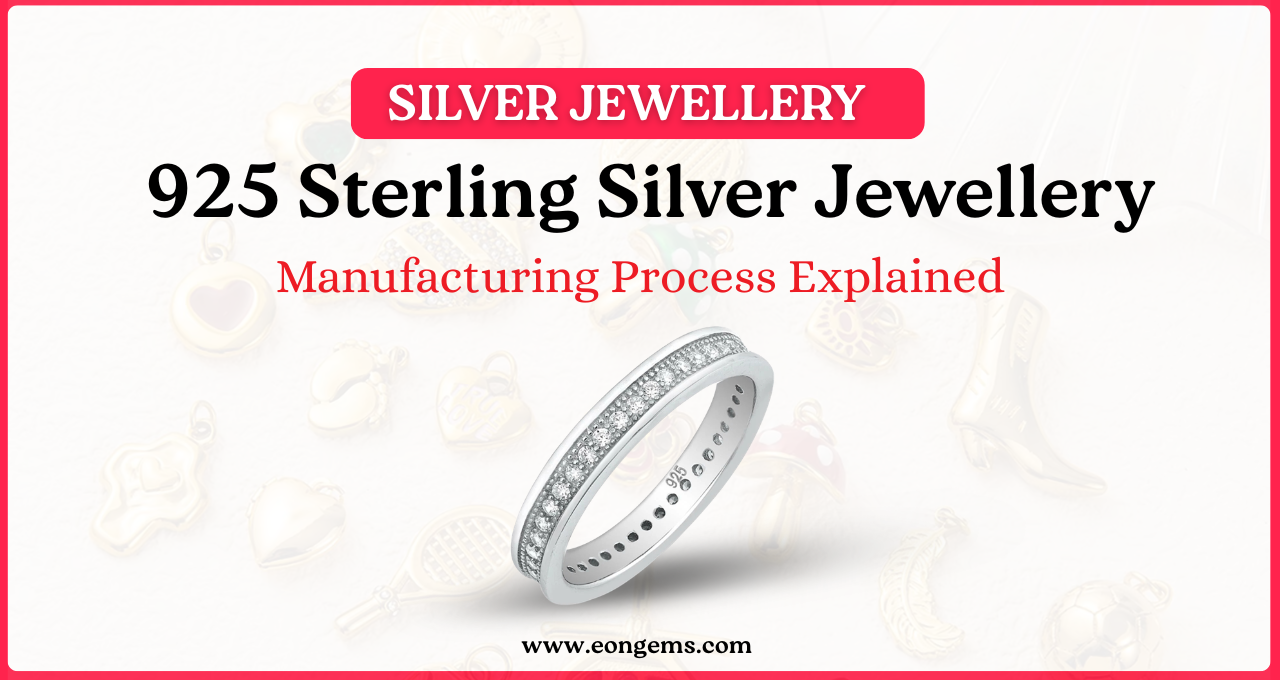
Choosing the best gemstones for 925 silver jewelry collections is not only a design decision. It is also a business decision that affects product appeal, retail pricing, wearability, customer perception, and collection depth. For jewelry brands, sterling silver offers one of the most versatile foundations for gemstone based jewelry because it balances beauty, affordability, and manufacturing practicality. Sterling silver contains at least 92.5 percent silver, which is why 925 silver has become the standard language used across the trade.
For many brands, silver jewelry performs best when paired with gemstones that either create strong contrast or bring softness, glow, or color play to the design. That is why gemstone selection matters so much. Some stones make silver feel fresh and modern. Some make it look rich and artistic. Others give a classic everyday feel that works across wide customer groups. GIA’s gem encyclopedia shows just how broad the gemstone spectrum is, from quartz varieties and garnets to moonstone, turquoise, peridot, topaz, and tourmaline, each with distinct visual qualities that influence how they work in jewelry.
For jewelry brands building a silver line, the best gemstone is rarely the most expensive one. It is the one that best supports your target customer, your retail price point, your brand story, and the look you want the final piece to deliver. If you want to understand how stone selection fits into production more broadly, you can explore our silver jewelry manufacturer for end to end development support.
Why 925 silver works so well with gemstones
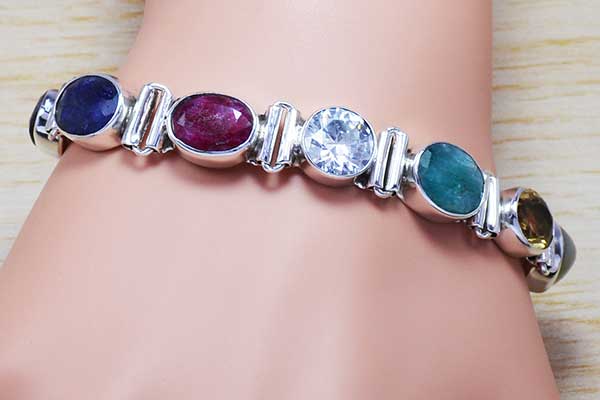
925 silver is one of the most adaptable metals in jewelry manufacturing. It has enough brightness to make colored stones stand out clearly, yet it remains neutral enough to complement soft, pastel, earthy, vivid, and even unusual gemstone tones. That flexibility is one reason sterling silver remains such a strong base metal across many jewelry segments.
From a brand perspective, silver also supports a wider range of merchandising strategies. It can be styled as everyday luxury, artisanal gemstone jewelry, birthstone jewelry, gift focused collections, boho inspired lines, or refined minimalist pieces. Because the metal itself does not dominate the design the way yellow gold sometimes can, the gemstone often becomes the hero of the piece. This makes silver especially useful when you want the customer to respond first to color, texture, translucency, or natural pattern.
Silver based gemstone jewelry is especially strong for:
- Everyday wear collections
- Mid range giftable pieces
- Birthstone inspired lines
- Color based assortments
- Designer silver jewelry
- Vermeil ready product development
- Private label and wholesale silver collections
If your brand is still mapping broader product direction, our guide on 925 sterling silver jewellery manufacturing process can help connect design decisions with production reality.
What makes a gemstone good for silver jewelry

Not every gemstone pairs equally well with 925 silver. Some stones look dull next to silver. Others become far more expressive because of silver’s cool brightness. The best gemstones for sterling silver usually succeed for one or more practical reasons.
Key traits to look for
- Strong visual contrast against silver
- Good wearability for the intended jewelry category
- Availability in repeatable shapes and sizes
- Broad customer appeal or strong niche identity
- Commercially workable cost
- Compatibility with silver based design styles
- Good potential for earrings, rings, pendants, and sets
For example, a gemstone that works beautifully in a pendant may not be the best option for a daily wear ring. A stone with wonderful natural character may also be harder to standardize in volume. Brands should weigh both beauty and practicality before making it a collection staple.
Best gemstones for 925 silver jewelry collections
Below are some of the strongest gemstone choices for silver jewelry, especially for brands focused on commercial design, repeatability, and aesthetic versatility.
1. Amethyst
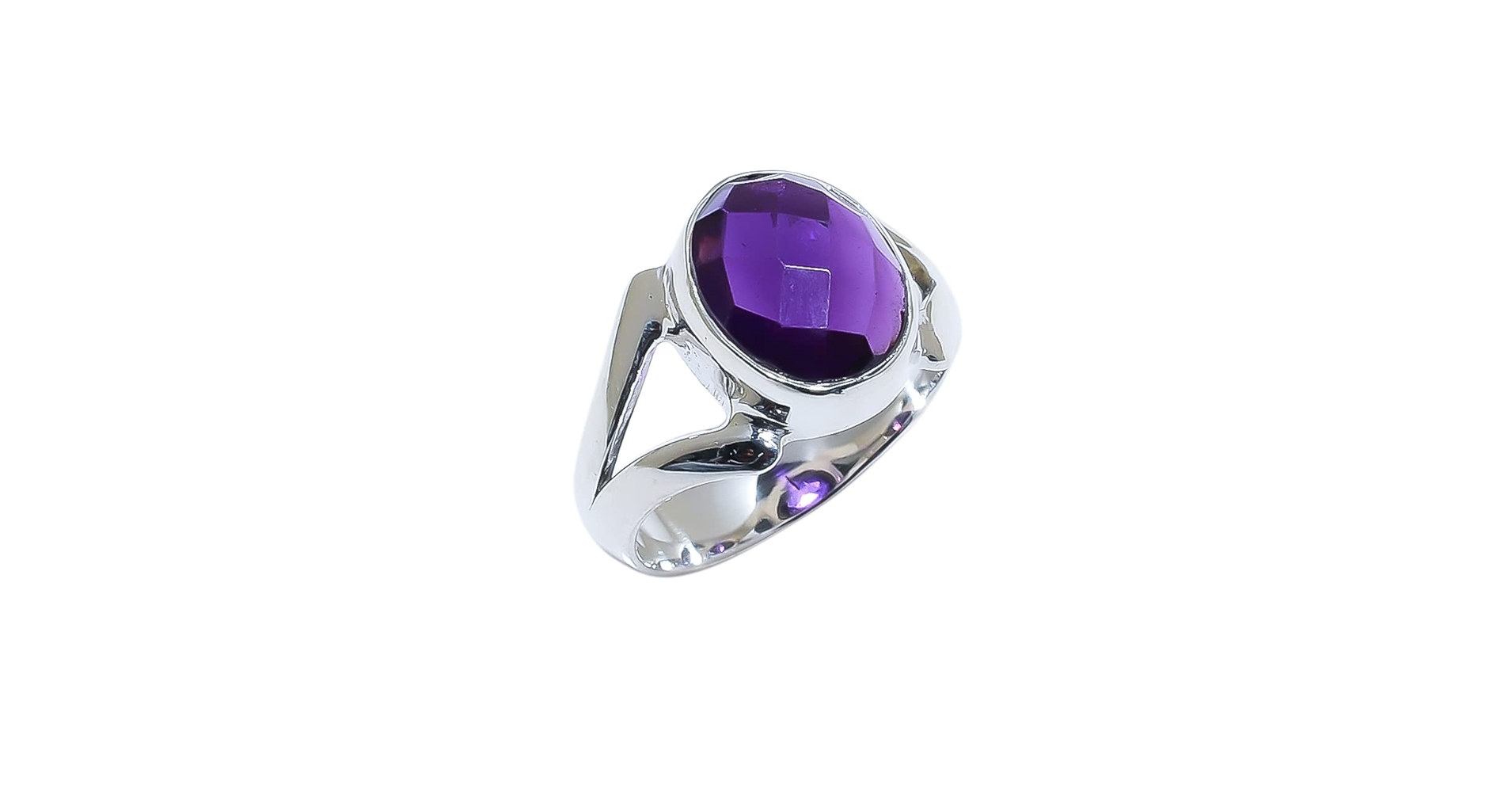
Amethyst is one of the best gemstones for 925 silver jewelry collections because it combines beauty, broad recognition, and pricing flexibility. GIA describes amethyst as the purple variety of quartz and notes that it is beautiful enough for crown jewels yet affordable enough for class rings, which captures its broad commercial range very well.
In silver jewelry, amethyst creates crisp contrast. The cool tone of the metal makes the purple feel cleaner and more luminous. It works especially well in:
- Statement rings
- Birthstone jewelry
- Gift focused pendants
- Earrings and matching sets
- Vintage inspired silver designs
Why brands like it:
- Strong consumer familiarity
- Excellent color impact
- Broad cut availability
- Good price accessibility
- Easy styling for both classic and contemporary collections
2. Garnet
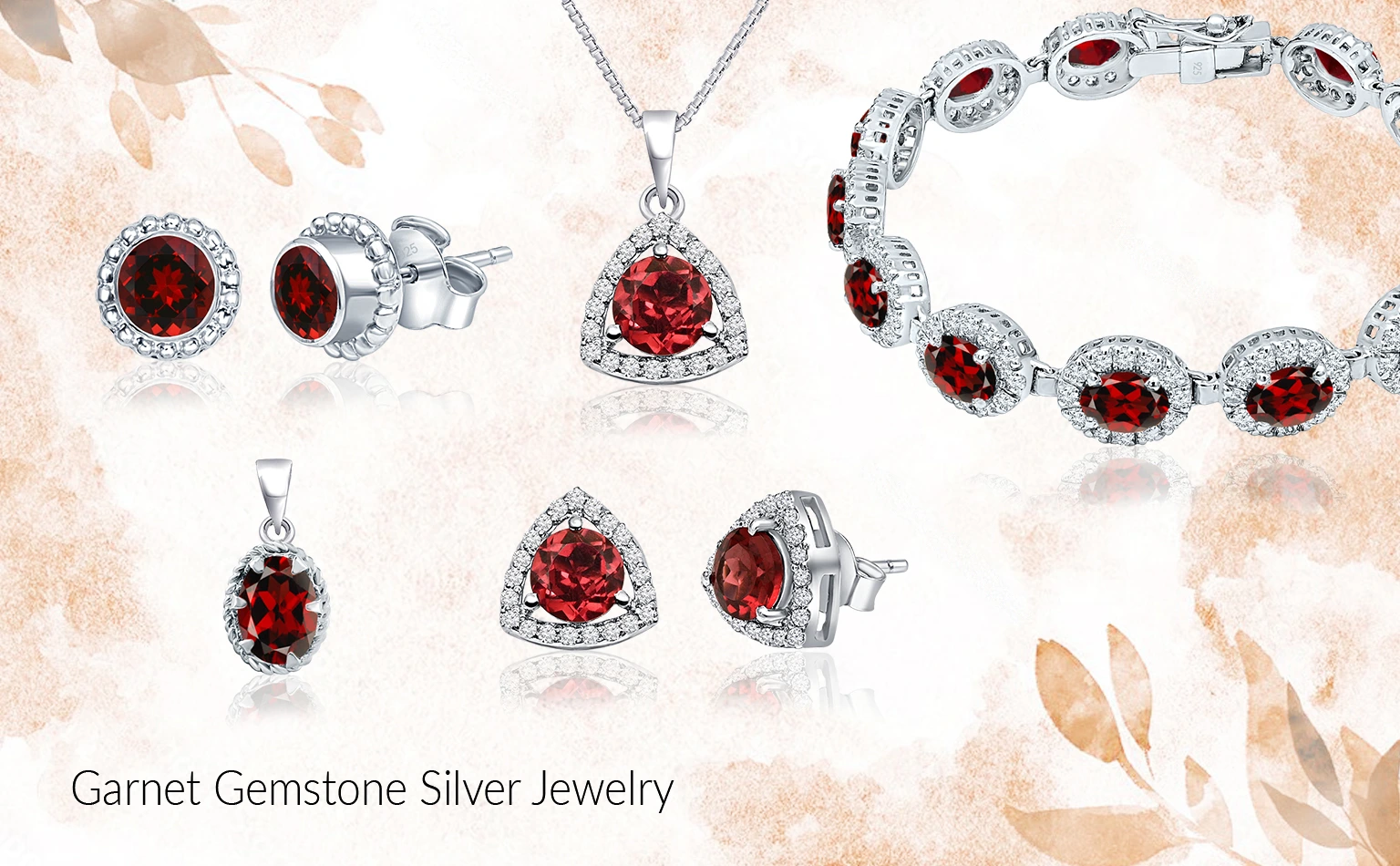
Garnet is a highly underrated choice for silver jewelry brands. GIA notes that garnets are a group of related minerals with gemstone colors in almost every hue, including fiery red and orange, and even rare green varieties. That range makes garnet far more versatile than many buyers expect.
Deep red garnet especially looks rich in silver because the metal cools the overall design while the stone adds warmth and depth. This creates a balanced, premium look without requiring a very high price point.
Best uses for garnet in silver:
- Vintage inspired rings
- Everyday pendants
- Halo earrings
- January birthstone lines
- Dark romantic collections
If your content strategy includes gemstone education, our article on types of gemstones can also support internal linking naturally.
3. Moonstone
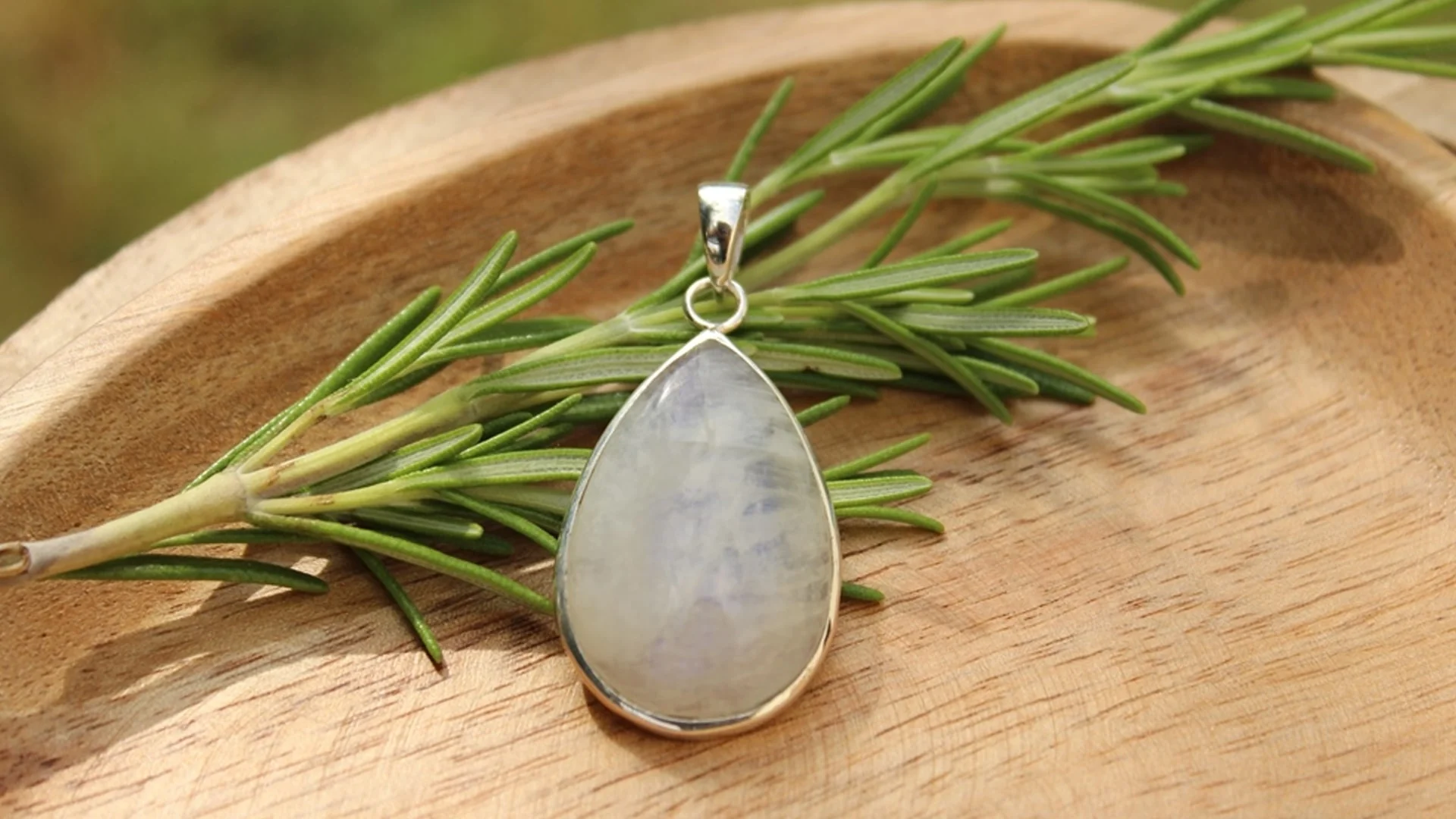
Moonstone is one of the most attractive choices for brands that want softness, glow, and a more ethereal design language. GIA describes moonstone as a feldspar prized for its billowy blue adularescence, the light effect that gives it a floating inner glow.
That glow works exceptionally well with silver. Because both silver and moonstone have cool visual energy, they create a harmonious look that feels elegant, dreamy, and wearable. Moonstone is especially useful for:
- Feminine silver collections
- Boho and artisanal lines
- June birthstone jewelry
- Layering pendants
- Statement cabochon rings
Why it performs well:
- Distinct visual effect
- Strong appeal in online product imagery
- Excellent fit for silver and vermeil
- Romantic and modern design flexibility
4. Turquoise

Turquoise remains one of the best classic pairings with sterling silver. GIA describes turquoise as a vivid blue gem and a rare phosphate of copper that forms in dry and barren regions. Historically, its blue tone has made it one of the most recognizable gemstones in jewelry.
Silver and turquoise together create an instantly identifiable jewelry style. This combination can feel traditional, western, artisanal, tribal inspired, or contemporary depending on the setting and silhouette.
Turquoise works very well for:
- Bold silver rings
- Organic and handcrafted styles
- Summer and resort collections
- Pendant centered collections
- Color rich statement earrings
Turquoise gives brands a strong color story and immediate shelf appeal, especially in collections where visual impact matters more than formal luxury positioning.
5. Peridot

Peridot is an excellent gemstone for brands that want something bright, fresh, and less expected. GIA describes it as the yellow green gem variety of olivine and notes its unusual geological origin in volcanic rock and, occasionally, meteorites.
Its lively green tone stands out beautifully against silver, giving jewelry a fresh and youthful character. Peridot is especially useful in:
- Summer jewelry collections
- August birthstone programs
- Minimal silver rings
- Stackable pendants
- Light, everyday gemstone lines
Why peridot works in silver:
- High color visibility
- Cheerful and modern appearance
- More distinctive than many standard birthstones
- Strong fit for contemporary silver styling
6. Citrine
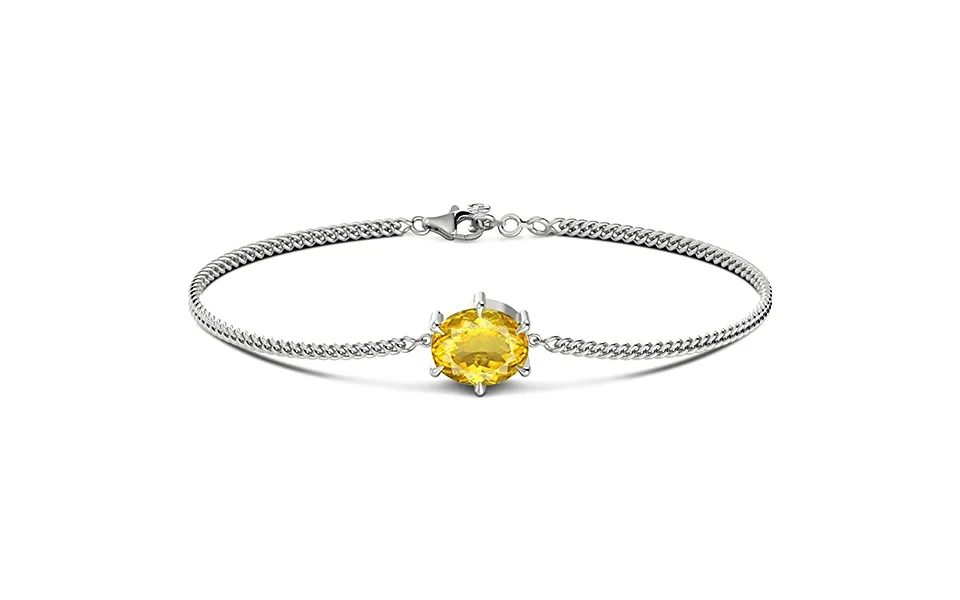
Citrine is another strong commercial choice for silver jewelry collections. GIA describes citrine as the transparent pale yellow to brownish orange variety of quartz and notes that it is among the most popular yellow gemstones.
In silver, citrine creates a bright, sunny contrast. It is often more affordable than many customers expect and can work in both everyday and occasion oriented jewelry.
Best uses include:
- November birthstone jewelry
- Golden toned silver pieces
- Stackable rings
- Warm color gemstone assortments
- Gift focused jewelry under accessible budgets
For brands that also build educational content around gemstone categories, our post on precious vs semi precious gemstones is a very relevant internal link.
7. Topaz

Topaz is a highly versatile gemstone for 925 silver collections because it spans cool and warm color directions. GIA describes topaz as a lustrous and brilliant gem that can appear in warm or cool tones, with blue topaz playing a major role in the mass market.
Blue topaz in particular looks excellent with silver because both share a cool, clean visual character. This makes it ideal for refined, commercial, and giftable designs.
Topaz works especially well in:
- Clean modern silver earrings
- Blue gemstone collections
- December gift programs
- Fine looking silver pendants
- Everyday rings and delicate styles
8. Tourmaline

Tourmaline is one of the most flexible gemstone choices for designers because of its color diversity. GIA notes that tourmaline has one of the widest color ranges of any gem. That makes it a very powerful option for brands that want varied gemstone palettes within a single family.
In silver jewelry, pink, green, and blue toned tourmalines can all work beautifully. This makes tourmaline especially useful for collections built around color merchandising and limited edition shade drops.
Brands often use it for:
- Modern color assortments
- Fine silver capsule collections
- Delicate gemstone rings
- Contemporary pendants
- Personalized gemstone jewelry
9. Aquamarine

Aquamarine brings a calm and premium feel to silver jewelry. GIA describes it as the blue to slightly greenish blue variety of beryl, with a fresh watery hue that naturally fits cool toned metal.
Silver enhances aquamarine’s clean look and helps it feel elegant without becoming overly formal. It is especially well suited to:
- Refined everyday jewelry
- March birthstone lines
- Minimalist pendants
- Light luxury silver collections
- Bridal party gifting jewelry
10. Labradorite and similar glow stones
While GIA’s main gem encyclopedia page highlights moonstone rather than labradorite, the same broader design logic applies to glow based stones. Stones with light play, sheen, or shifting color effects can work exceptionally well with silver because the metal does not compete with the effect. Instead, it frames it.
These stones are useful for:
- Mystical and artistic collections
- Statement cabochon silver jewelry
- Layered pendant assortments
- Design led boutique collections
How to choose the right gemstone for your silver collection
The best gemstone for your brand depends on your target market and product intent. Instead of asking which gemstone is universally best, ask which gemstone is best for your collection strategy.
If your collection is focused on everyday wear
Choose stones like amethyst, topaz, garnet, citrine, or aquamarine.
If your collection is color driven
Choose tourmaline, peridot, turquoise, citrine, or garnet varieties.
If your collection is artistic or boho
Choose moonstone, turquoise, labradorite, or unusual cuts in semi precious stones.
If your collection is gift focused
Choose birthstone friendly gems with broad recognition such as amethyst, garnet, aquamarine, peridot, citrine, or topaz. GIA’s birthstone guide shows how strongly many of these stones are linked to monthly gifting demand.
If your collection needs strong ecommerce appeal
Prioritize stones with obvious visual contrast and clean photography performance, such as amethyst, blue topaz, turquoise, citrine, and garnet.
If your team also needs sourcing support, our page on gemstone manufacturer in Jaipur is the most relevant service link for custom supply and stone planning.
Common mistakes to avoid
Many brands weaken their silver collections by choosing gemstones only for trend value and not for collection fit. Common mistakes include:
- Using stones with weak contrast against silver
- Choosing fragile stones for daily wear rings
- Ignoring repeatability for wholesale or reorder programs
- Overloading one collection with too many unrelated colors
- Choosing stones that look beautiful loose but underperform once set
A successful silver gemstone collection usually feels edited, intentional, and consistent rather than random.
FAQs
Some of the strongest choices are amethyst, garnet, moonstone, turquoise, peridot, citrine, topaz, tourmaline, and aquamarine because they create strong contrast or beautiful harmony with silver’s cool tone.
Yes. Sterling silver is widely used in gemstone jewelry because it contains at least 92.5 percent silver and offers a bright neutral base that works with many gemstone colors.
Amethyst, garnet, aquamarine, moonstone, peridot, citrine, topaz, and turquoise all work very well in silver and also connect strongly to birthstone jewelry demand.
Yes. Turquoise and silver are one of the most recognizable pairings in jewelry. The vivid blue tone creates strong visual impact and suits both traditional and modern designs.
Moonstone, blue topaz, tourmaline, aquamarine, and geometric cut amethyst are excellent options for modern silver collections because they align well with clean, cool toned design language.
Not always. Some brands do well with one hero stone, but many build stronger assortments by using a focused palette of gemstones that fit the same visual story and price architecture.
A common mistake is choosing stones only for trend value without considering contrast, wearability, reorder consistency, and how the stone actually performs once set into silver.
Yes. Silver and gemstone jewelry is often a strong wholesale category because it can cover many styles and price points while still offering strong color appeal and recognizable material value.
Final thoughts
The best gemstones for 925 silver jewelry collections are the ones that bring out silver’s natural strengths. Silver works beautifully with stones that offer contrast, glow, freshness, or strong color identity. Amethyst, garnet, moonstone, turquoise, peridot, citrine, topaz, tourmaline, and aquamarine are among the strongest options because they pair well visually, support multiple price points, and fit many different customer segments. Gemological references from GIA support the broad visual range and market relevance of these gemstone families, while the long standing 92.5 percent sterling standard continues to make silver a practical and trusted base for gemstone jewelry.
For jewelry brands, the smartest approach is to match gemstone choice to the role of the collection. A birthstone line needs familiarity. A fashion collection needs visual energy. A premium silver line may need cleaner, more refined stones. When gemstone selection is guided by customer intent, metal harmony, and production reality, silver jewelry becomes much easier to scale, style, and sell.
If you want help planning a gemstone based silver line, you can explore our silver jewelry manufacturing services and our gemstone sourcing support. For custom development, sampling, or bulk production, visit our Contact Us page or call +91 8769104410.