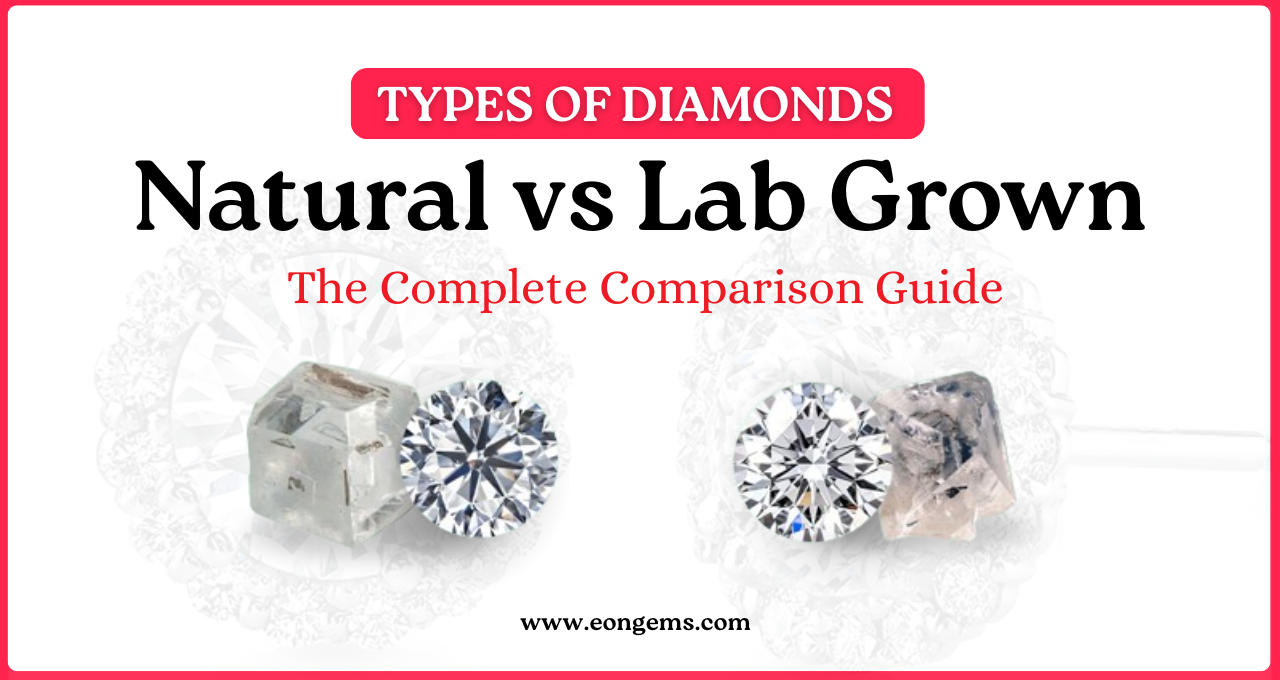
Choosing a diamond today is no longer a simple decision. Buyers are increasingly confused between natural diamonds vs lab grown diamonds, especially as technology, pricing transparency, and ethical awareness continue to evolve. This is why sourcing from a trusted diamond jewellery manufacturer in Jaipur becomes important, as both options may look identical to the naked eye but differ significantly in origin, value, and long-term perception.
In this detailed guide, we will explore natural diamonds vs lab grown diamonds from every possible angle including formation, pricing, quality, resale value, environmental impact, and suitability for jewelry. Whether you are a first-time buyer, a jewelry brand, or a wholesaler, this guide will help you make an informed and confident decision.
The debate around natural diamonds vs lab grown diamonds has intensified over the last decade. Lab technology has advanced rapidly, making lab grown diamonds visually and chemically identical to natural ones. However, emotional value, rarity, and long-term worth still separate the two.
Understanding these differences is essential before investing in fine jewelry or diamonds for resale.
What Are Natural Diamonds
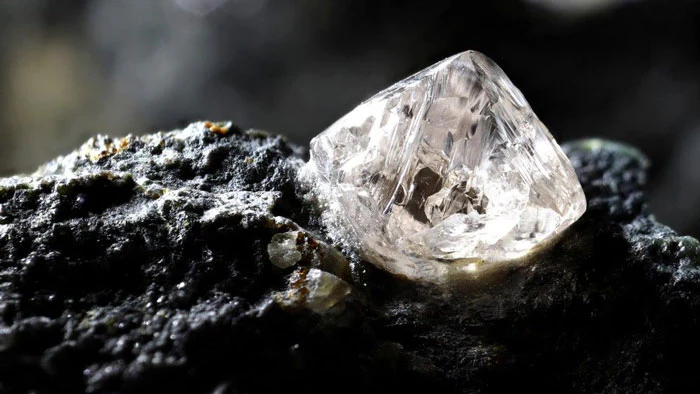
Natural diamonds are formed deep within the Earth’s mantle under extreme heat and pressure over 1 to 3 billion years. They are brought closer to the surface through volcanic activity and later extracted through mining.
Each natural diamond is unique, making it a rare geological treasure. This rarity plays a major role in the value and emotional significance of natural diamonds, especially in engagement rings and heirloom jewelry.
Key characteristics:
- Naturally formed over billions of years
- Finite and rare resource
- Traditionally associated with luxury and prestige
What Are Lab Grown Diamonds
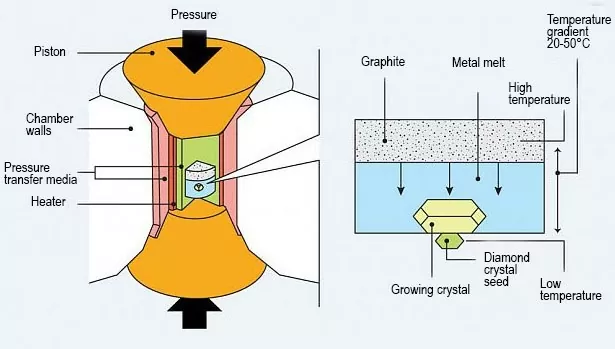
Lab grown diamonds are created in controlled laboratory environments using advanced techniques such as HPHT (High Pressure High Temperature) and CVD (Chemical Vapor Deposition). These processes replicate the natural conditions under which diamonds form.
Chemically, optically, and physically, lab grown diamonds are real diamonds. The difference lies only in their origin.
Key characteristics:
- Created within weeks
- Identical chemical structure to natural diamonds
- More affordable and scalable
Formation Process Comparison
When comparing natural diamonds vs lab grown diamonds, the formation process is one of the biggest differentiators.
Natural diamonds require billions of years and geological rarity. Lab grown diamonds, on the other hand, are produced within weeks using human-controlled environments. This difference directly impacts pricing, availability, and long-term value perception.
Appearance and Quality Differences
To the naked eye, there is no visible difference between natural diamonds vs lab grown diamonds. Both exhibit the same brilliance, fire, and sparkle.
Even professional jewelers need specialized equipment to distinguish between them. In terms of clarity and color, lab grown diamonds often score higher due to controlled growth conditions.
However, natural diamonds carry natural inclusions that many buyers consider a sign of authenticity and uniqueness.
Certification and Grading
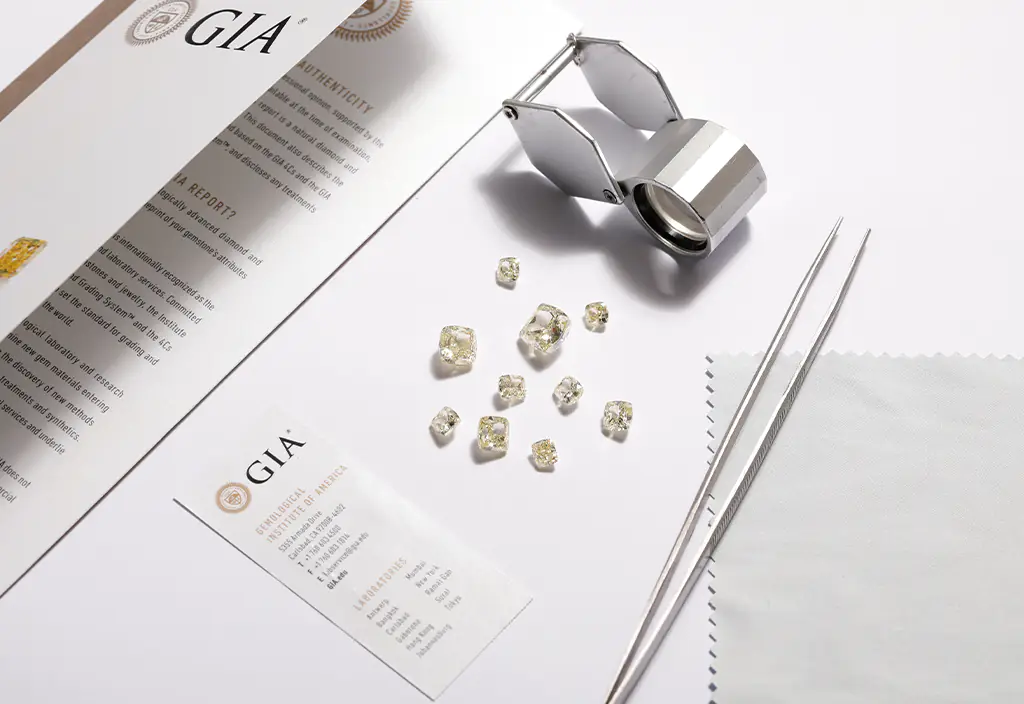
Both natural and lab grown diamonds are graded using the same 4Cs:
- Cut
- Color
- Clarity
- Carat
Reputable certification bodies grade both types. Lab grown diamonds are clearly marked as laboratory created to maintain transparency.
When buying diamonds, certification authenticity is essential, but buyers must also understand how to select a reliable jewellery manufacturer to ensure ethical sourcing, grading accuracy, and long-term confidence in both natural diamonds and lab grown diamonds.
Price Comparison and Affordability
Price is one of the most discussed aspects of natural diamonds vs lab grown diamonds.
Lab grown diamonds are typically 30 to 60 percent cheaper than natural diamonds of the same quality. This makes them attractive for budget-conscious buyers or larger designs.
Natural diamonds command higher prices due to:
- Limited supply
- Mining costs
- Long-term market demand
Resale and Long-Term Value
Resale value strongly favors natural diamonds. Natural diamonds hold value better over time due to rarity and consistent demand.
Lab grown diamonds currently have lower resale value, as production can scale rapidly, affecting long-term pricing.
For investment or heirloom purposes, natural diamonds are still the preferred choice.
Environmental and Ethical Impact
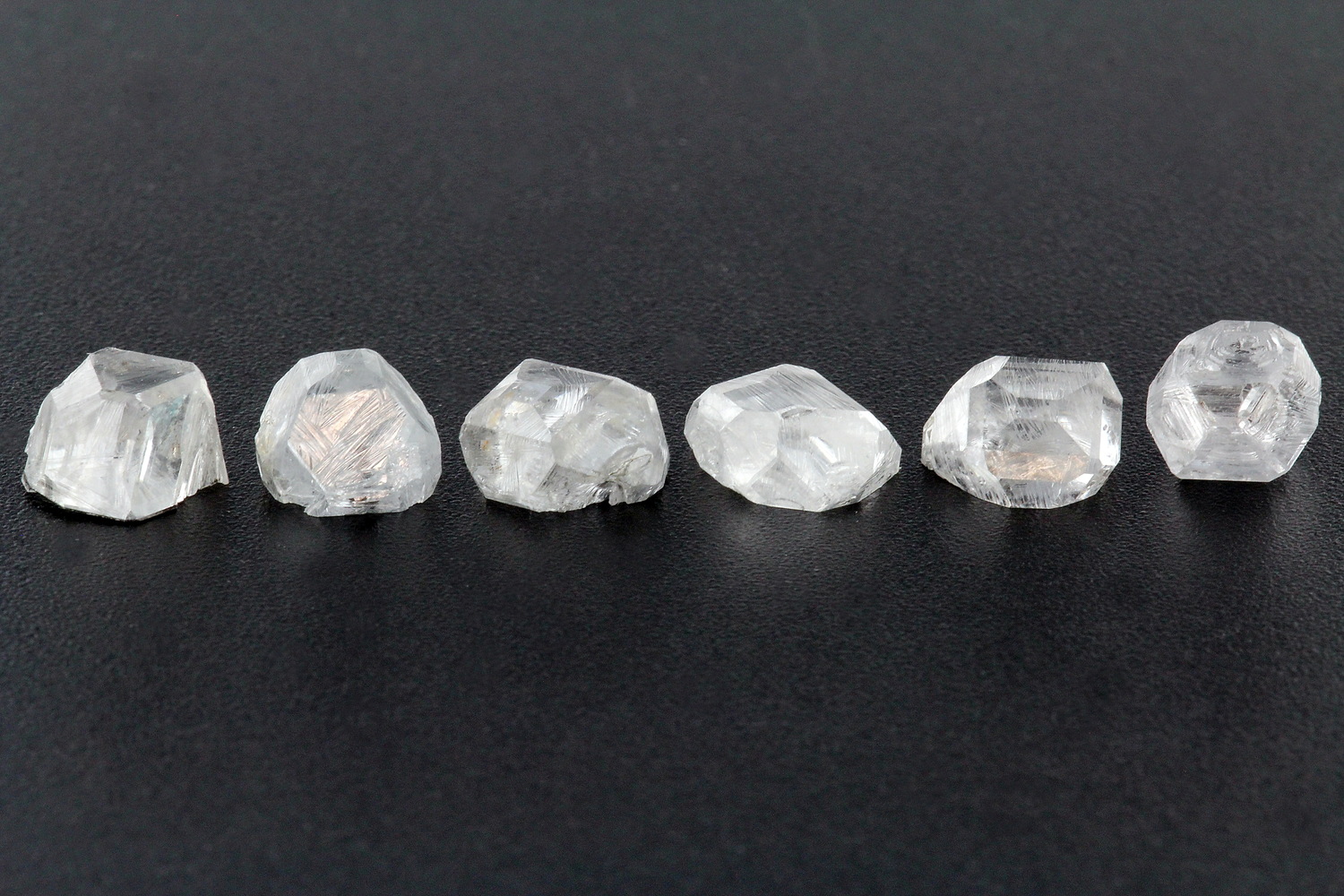
Environmental concerns play a significant role in the natural diamonds vs lab grown diamonds debate.
Natural diamond mining can impact ecosystems if not managed responsibly. However, many modern suppliers follow ethical mining standards.
Lab grown diamonds avoid mining but consume significant electricity. Their sustainability depends largely on energy sources used during production.
Both options can be ethical when sourced responsibly.
Durability and Daily Wear
Both natural diamonds and lab grown diamonds score 10 on the Mohs hardness scale, making them equally durable for everyday wear.
From engagement rings to daily-use jewelry, durability is not a deciding factor in natural diamonds vs lab grown diamonds, and knowing how to clean and care for your jewelry helps maintain brilliance and longevity over time.
Market Trends and Consumer Preferences
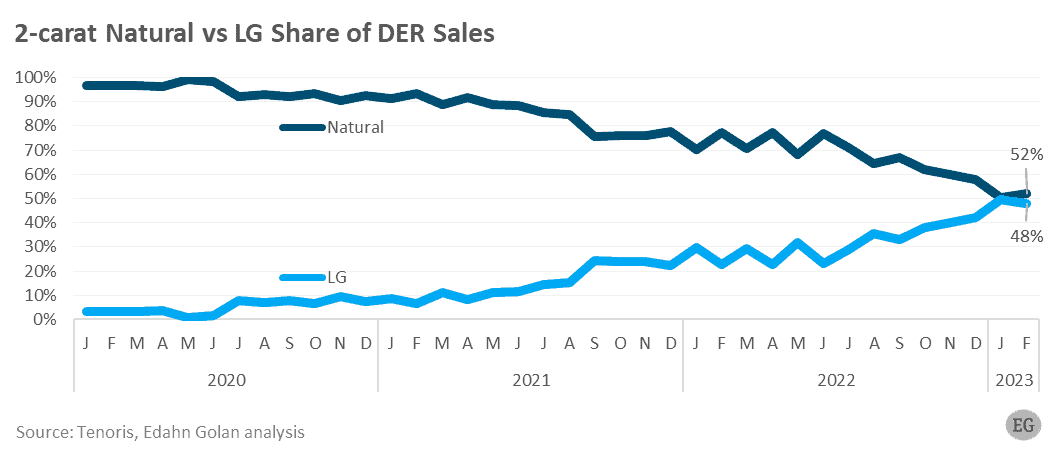
Younger buyers tend to prefer lab grown diamonds due to affordability and sustainability messaging. Traditional buyers still favor natural diamonds for emotional value and long-term worth.
Jewelry manufacturers and wholesalers like eongems offer both options to meet diverse market needs, while some buyers also explore other types of gemstones alongside diamonds based on evolving design trends, budgets, and personalization preferences.
Which Diamond Should You Choose
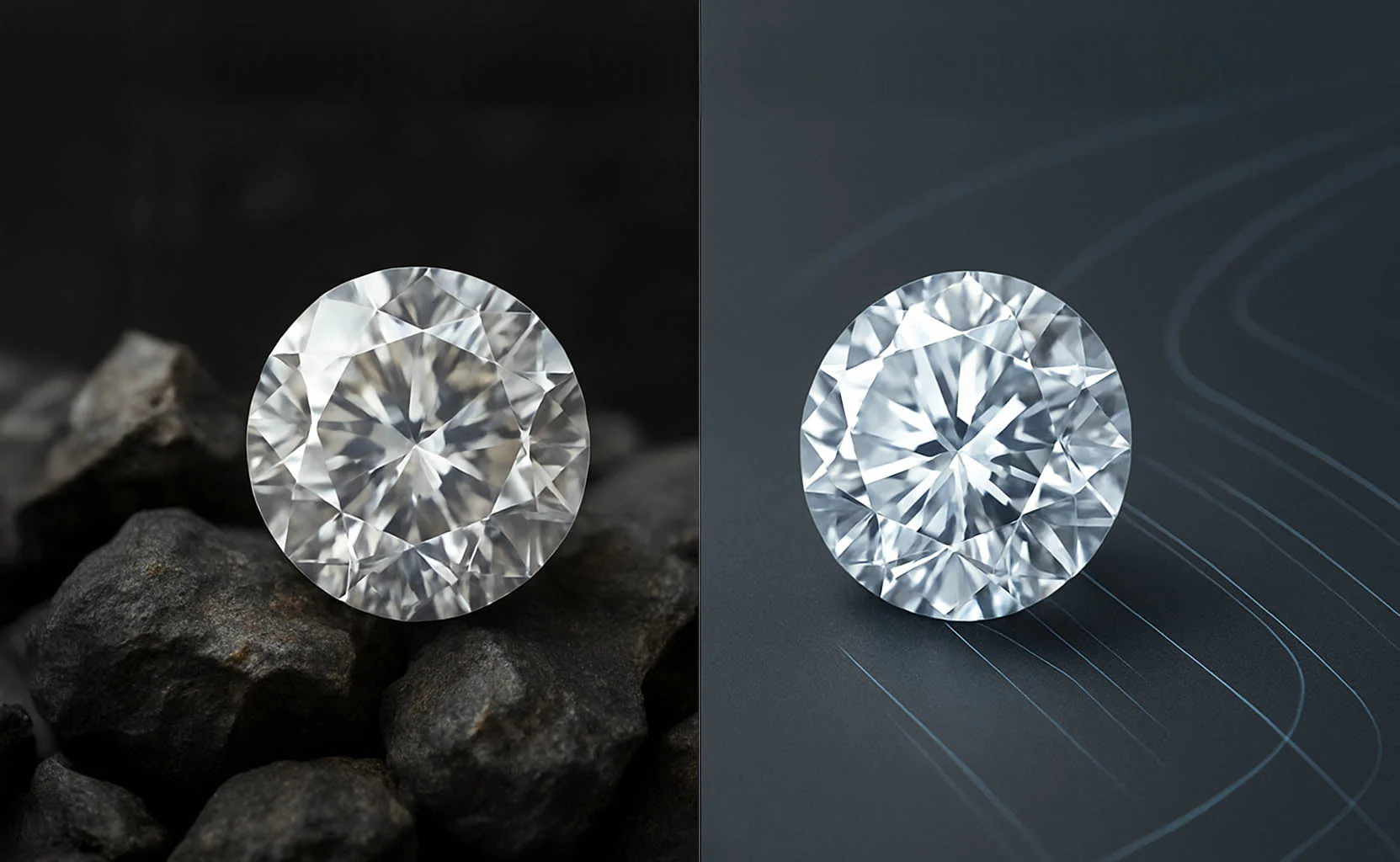
Choose natural diamonds if:
- You value rarity and tradition
- You want better resale value
- You are buying for investment or heirloom purposes
Choose lab grown diamonds if:
- You want better size and clarity at lower cost
- Budget is a key factor
- Sustainability messaging matters more than rarity
There is no wrong choice in natural diamonds vs lab grown diamonds. The best option depends on your priorities.
Why Choose Eongems for Diamond Jewelry
Eongems is a trusted jewelry manufacturer and diamond supplier offering both natural and lab grown diamonds and gemstones with transparent sourcing, consistent quality standards, and proper certification. This allows buyers to make informed decisions when comparing natural diamonds vs lab grown diamonds without compromising on authenticity or craftsmanship.
The brand works closely with jewelry retailers, designers, and wholesalers by providing reliable manufacturing support, flexible customization options, and scalable production capabilities. This makes Eongems a suitable partner for both established businesses and those planning to start a jewelry business with a focus on quality and long-term growth.
With an emphasis on ethical sourcing, precision manufacturing, and industry expertise, Eongems helps businesses build credibility and confidence in an increasingly competitive global jewelry market.
Frequently Asked Questions
No, jewelers cannot identify natural diamonds vs lab grown diamonds using the naked eye alone. Both look identical in brilliance, sparkle, and clarity. Specialized laboratory equipment is required to detect growth patterns and trace elements that indicate origin.
No, lab grown diamonds do not fade, discolor, or lose their sparkle over time. Since their chemical and physical structure is the same as natural diamonds, they retain brilliance and durability permanently when properly cared for.
Lab grown diamonds are real diamonds, not fake or imitation. Unlike cubic zirconia or moissanite, lab grown diamonds have the same carbon crystal structure as natural diamonds. The only difference is how and where they are formed.
Yes, insurance costs can vary. Natural diamonds usually have higher insurance premiums because of their higher market value. Lab grown diamonds may cost less to insure due to their lower replacement value, though coverage terms depend on the insurer.
Yes, lab grown diamonds are widely accepted for engagement and wedding rings worldwide. Many couples choose them for larger carat size, better clarity, and affordability while maintaining the same appearance as natural diamonds.
Lab grown diamond prices may continue to decrease as production technology improves and supply increases. Natural diamond prices are more stable due to limited availability and long-established market demand, which is a key difference in natural diamonds vs lab grown diamonds
Final Thoughts
The discussion around natural diamonds vs lab grown diamonds is not about which is better universally. It is about what is right for you.
Natural diamonds symbolize rarity, tradition, and long-term value. Lab grown diamonds represent innovation, affordability, and accessibility. With trusted suppliers like eongems, buyers can confidently choose either option without compromising on quality or transparency.
As consumer awareness grows, both diamond types will continue to coexist, serving different needs within the global jewelry market.