Understanding the True Difference in Value, Rarity, and Jewelry Use
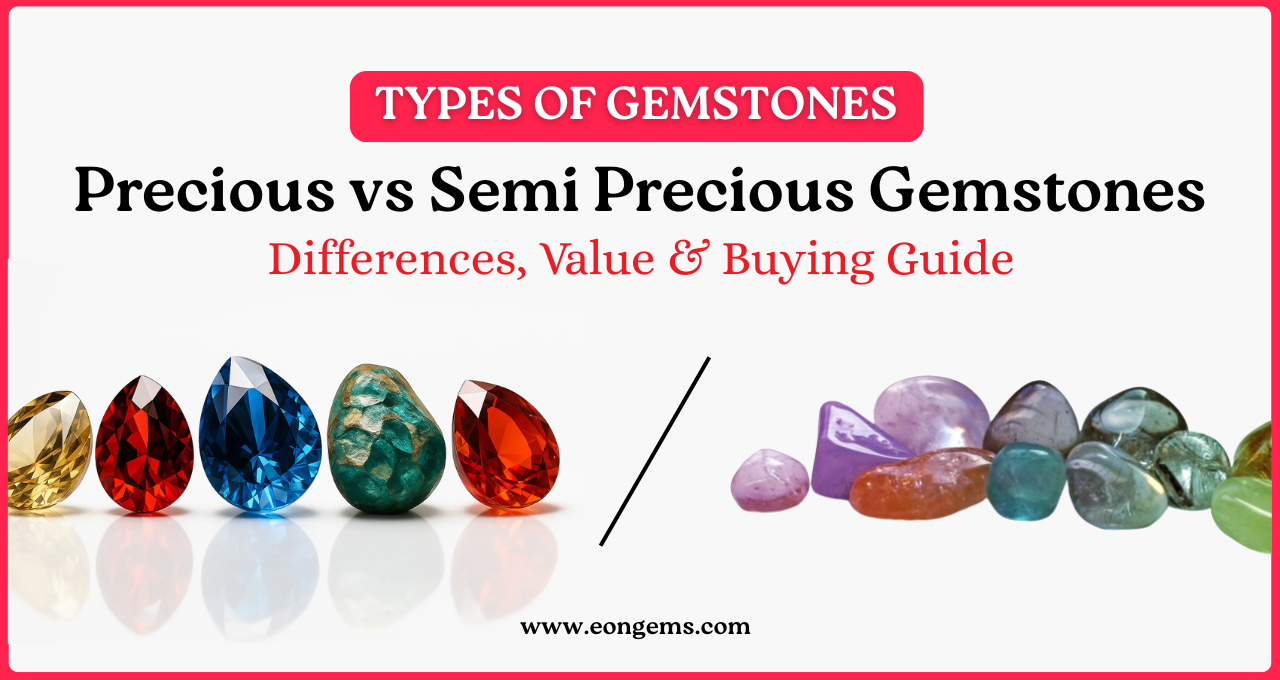
The debate around precious vs semi precious gemstones has existed for centuries, yet it remains one of the most misunderstood topics in the jewelry industry, especially when buyers are unfamiliar with the different types of gemstones used in modern jewelry. Many buyers assume precious gemstones are always better or more valuable, while semi precious gemstones are often seen as secondary choices. In reality, the distinction is far more complex and rooted in history rather than modern gemstone quality.
This detailed guide explains the real meaning of precious vs semi precious gemstones, how the classification evolved, and how today’s buyers should approach gemstone selection for jewelry, gifting, and business purposes.
What Defines Precious Gemstones
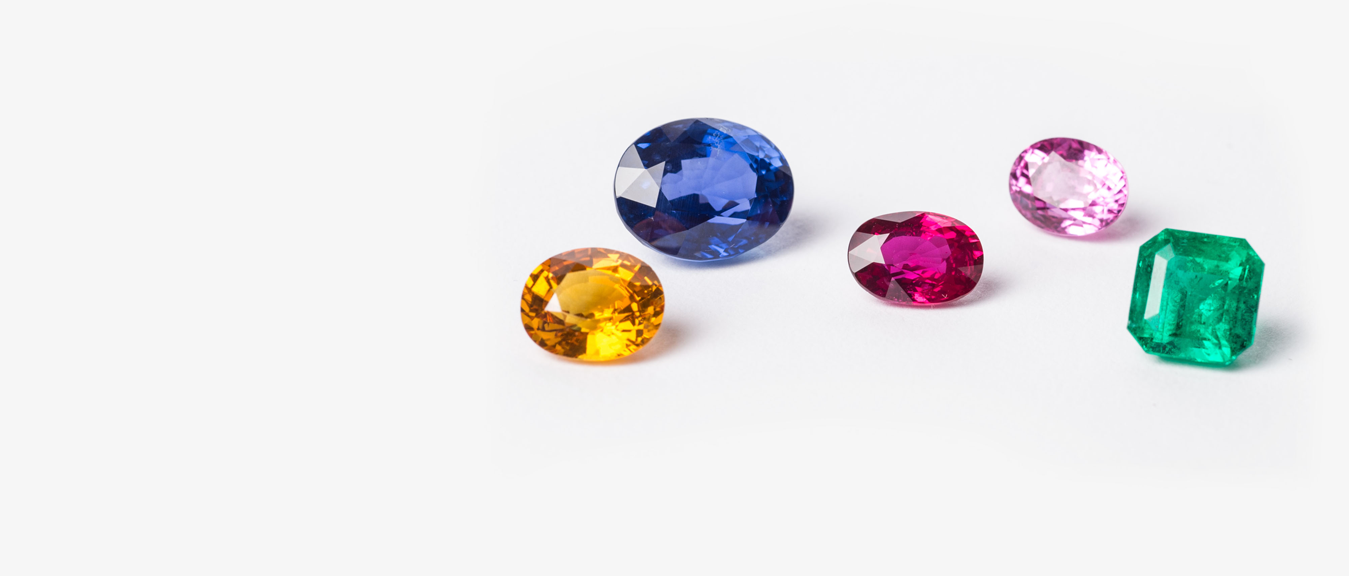
Precious gemstones traditionally include diamonds, rubies, sapphires, and emeralds. These stones gained their status due to rarity, historical significance, and consistent demand.
Diamonds are prized for their unmatched hardness, while sapphires and rubies are favored for their durability and vibrant color. Emeralds, despite being softer, remain highly valued due to their deep green hue and symbolism.
These gemstones are often used in engagement rings and heirloom jewelry, especially in collections crafted by experienced manufacturers, where choosing the right jewellery manufacturer plays a crucial role in gemstone quality, craftsmanship, and long term value.
Understanding Semi Precious Gemstones
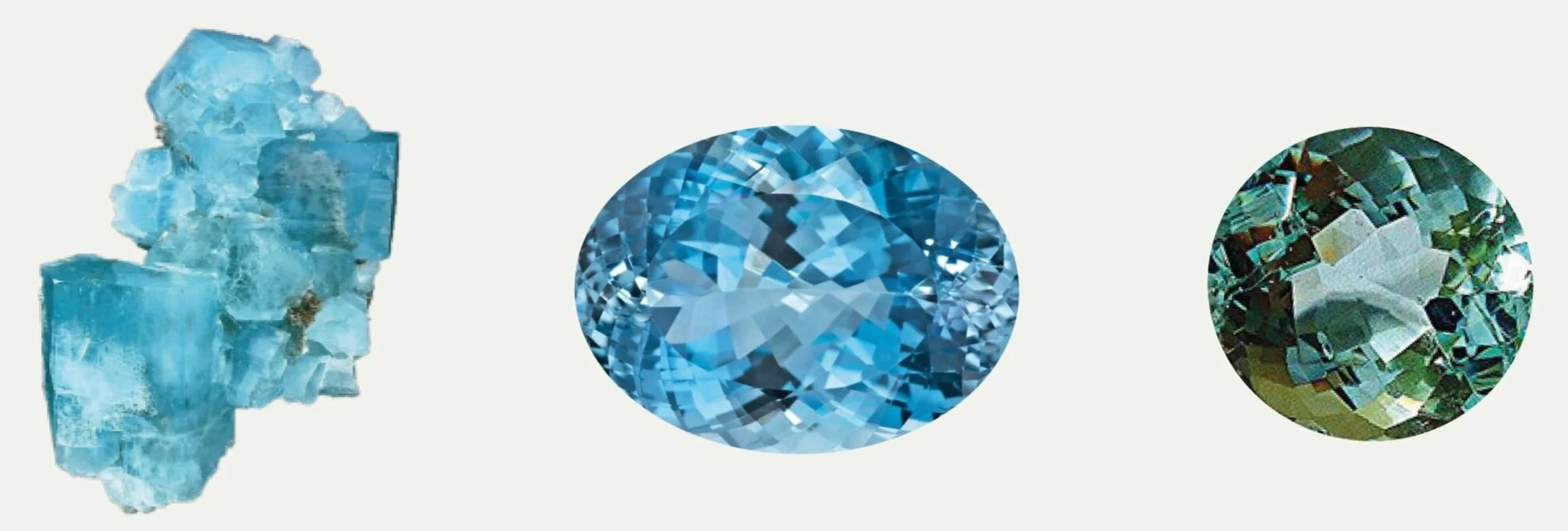
Semi precious gemstones include stones like amethyst, garnet, topaz, aquamarine, citrine, and tourmaline. The term “semi precious” does not reflect lower quality but rather historical trade classification.
Many semi precious gemstones are visually striking and sometimes rarer than precious gemstones. Today, they are widely used in fashion jewelry, statement pieces, and customized designs due to their color variety and affordability.
Designers increasingly incorporate these stones to meet evolving consumer tastes, especially in trend driven collections.
Origin of the Precious and Semi Precious Classification
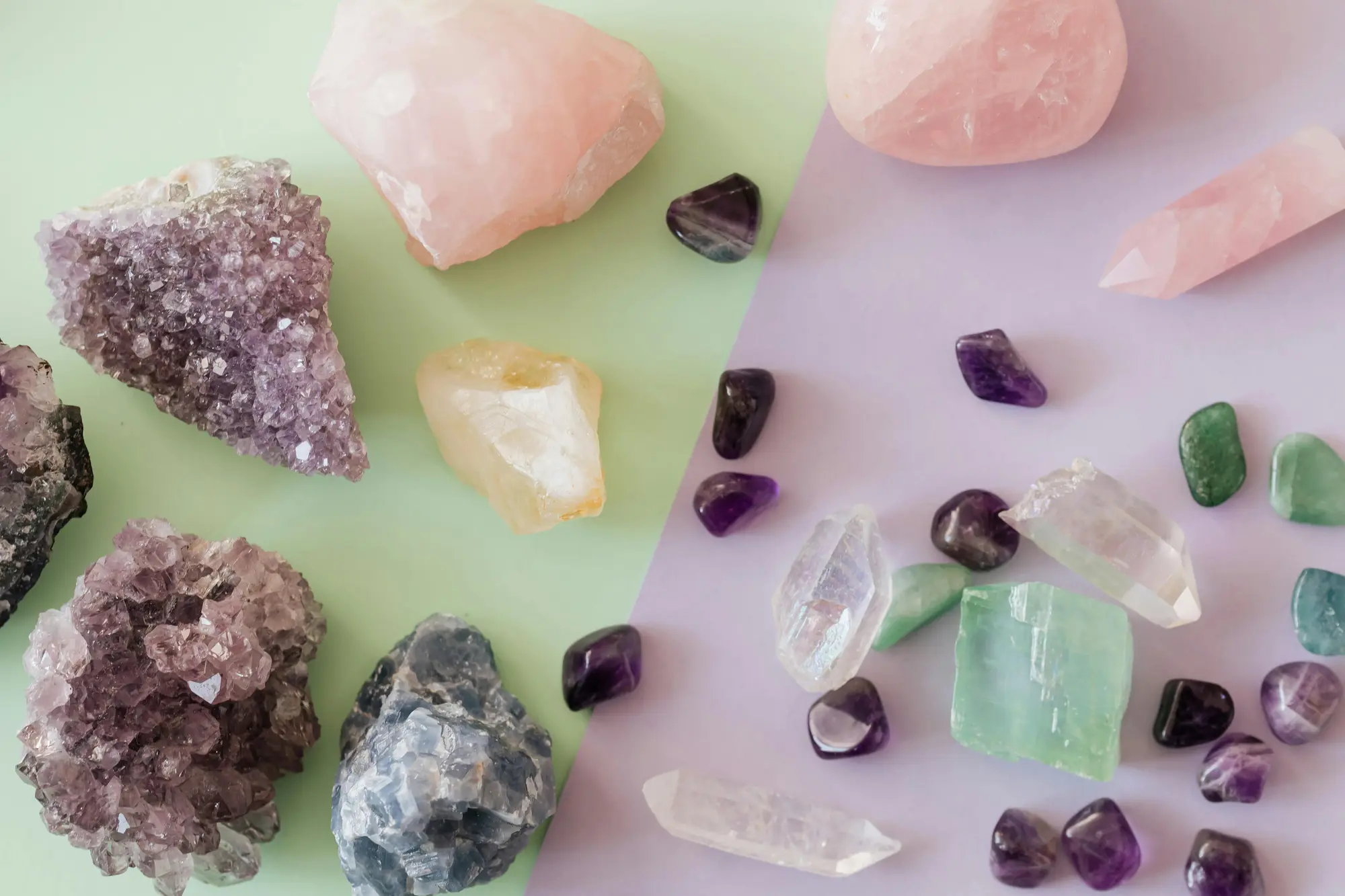
The precious vs semi precious gemstones distinction dates back to ancient times when gemstone availability was limited. Stones that were harder to mine and transport became symbols of wealth and power.
With modern mining techniques and global supply chains, gemstone availability has changed significantly. As a result, the traditional classification has become less relevant, especially when buyers focus more on gemstone quality and craftsmanship.
Precious vs Semi Precious Gemstones: Key Differences
The primary differences between precious vs semi precious gemstones include:
- Market perception and historical value
- Average price range
- Availability and sourcing locations
- Usage in fine versus fashion jewelry
Despite these differences, both categories are now equally important in the jewelry industry. Many collections successfully combine precious and semi precious gemstones to balance elegance and affordability.
Rarity, Beauty, and Market Demand
Rarity does not always align with classification. Certain semi precious gemstones are far rarer than commonly available diamonds. Beauty, on the other hand, is subjective and driven by personal taste.
Consumers today prioritize uniqueness and color over traditional labels, which explains the growing popularity of gemstone focused jewelry showcased in the latest jewellery design trends across both precious and semi precious gemstone collections.
Pricing and Long Term Value Comparison
From a pricing perspective, precious gemstones generally carry higher upfront costs. Diamonds and rubies often retain value due to standardized grading and consistent demand.
Semi precious gemstones offer more flexibility, making them attractive for buyers exploring resale opportunities or starting a jewelry business. Many entrepreneurs sourcing gemstones consider insights from guides on buying wholesale jewelry for resale to balance margins, quality, and long term business sustainability.
Role of Gemstones in Modern Jewelry Design
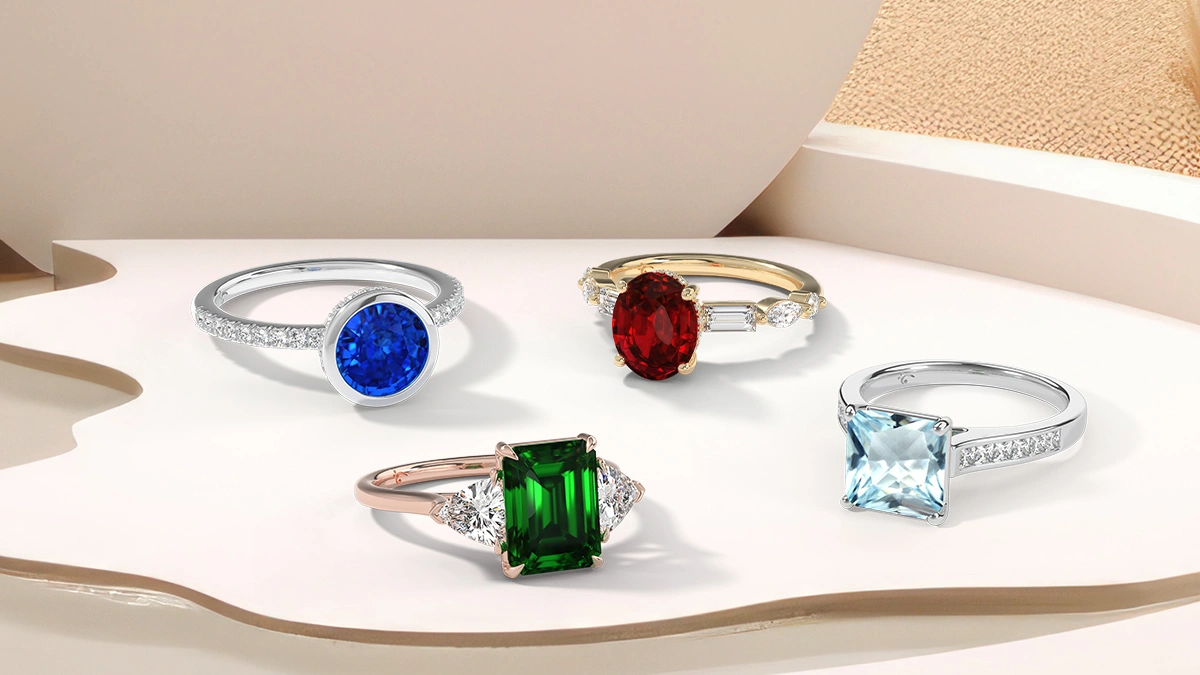
Modern jewelry design rarely limits itself to one gemstone category. Designers blend diamonds with stones like aquamarine or garnet to create visually balanced pieces.
Emerald jewelry, for example, remains a popular choice for gifting and celebrations, as highlighted in emerald rings designed as the perfect gift for special occasions. Semi precious gemstones dominate everyday wear jewelry due to their versatility and expressive colors.
Birthstones and Their Gemstone Categories
Birthstone jewelry demonstrates how precious vs semi precious gemstones coexist seamlessly. While some months feature precious stones like sapphire or emerald, others include semi precious gemstones such as amethyst or garnet.
Buyers often select birthstone jewelry for its personal meaning rather than gemstone classification, a trend explored further through the benefits of wearing birthstone jewelry.
Durability, Care, and Daily Wear
Durability plays a critical role in gemstone selection. Diamonds, sapphires, and rubies are ideal for daily wear due to their hardness.
Some semi precious gemstones require extra care, particularly softer stones. Proper cleaning and maintenance significantly extend the life of all gemstone jewelry, as detailed in practical jewelry care and cleaning guides.
Investment Perspective on Gemstones
From an investment standpoint, precious gemstones are traditionally seen as safer assets. However, gemstone value depends heavily on quality, certification, and origin.
High quality semi precious gemstones with rarity and demand can outperform lower grade precious stones. Smart investors focus on authenticity and trusted sourcing rather than classification alone.
Ethical Sourcing and Consumer Trends
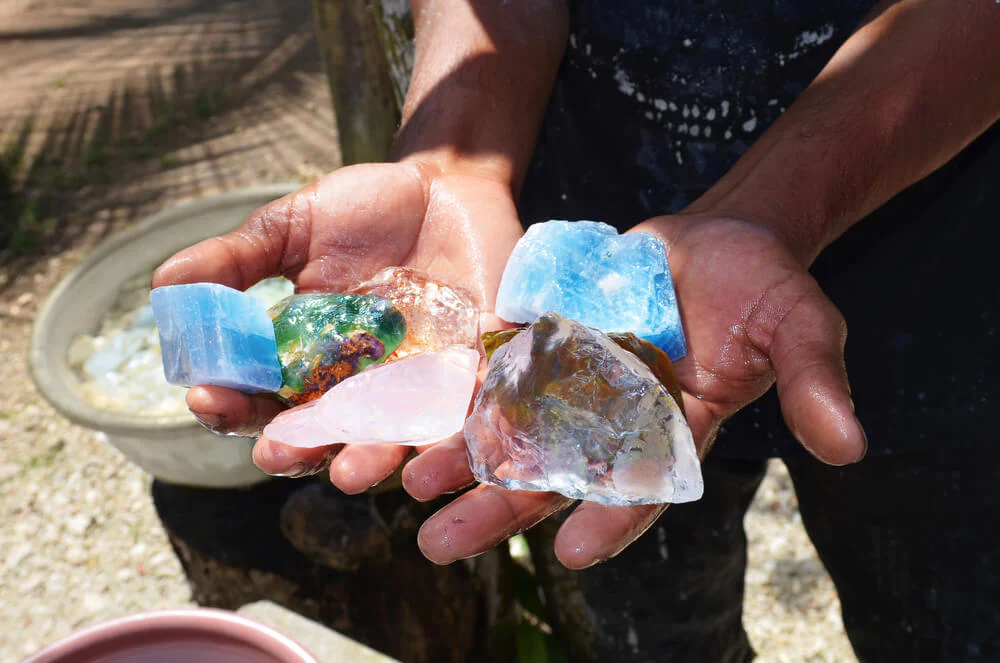
Ethical sourcing has become a major factor in gemstone purchasing decisions. Buyers now value transparency, environmental responsibility, and fair labor practices.
Many semi precious gemstones are sourced with lower environmental impact, making them attractive to conscious consumers. Manufacturers like Eongems emphasize responsible sourcing across both gemstone categories to meet modern expectations.
How to Choose the Right Gemstone
Choosing between precious vs semi precious gemstones depends on:
- Purpose of the jewelry
- Budget and long term value goals
- Lifestyle and durability needs
- Emotional and symbolic meaning
For milestone jewelry, precious gemstones may feel more appropriate. For expressive, everyday, or trend focused designs, semi precious gemstones offer greater freedom.
Importance of Trusted Manufacturers
Regardless of gemstone type, quality craftsmanship matters most. Cut precision, setting quality, and ethical sourcing define the final value of a piece.
Working with experienced gemstone manufacturers ensures consistency, authenticity, and long term trust. Businesses partnering with Eongems benefit from expertise across precious and semi precious gemstone jewelry manufacturing.
FAQs
Yes. Certain semi precious gemstones can surpass precious gemstones in value if they are extremely rare, untreated, or come from a limited geographic origin. Market demand, gemstone quality, and collector interest often matter more than traditional classification.
Precious gemstones are not always natural in their original state. Many undergo treatments such as heat enhancement or clarity improvement to enhance appearance. These treatments are industry accepted but significantly impact value and should always be disclosed.
Many jewelers consider the term outdated because it implies lower quality. In modern jewelry, gemstones are valued based on beauty, rarity, durability, and craftsmanship rather than being labeled as precious or semi precious.
Generally, precious gemstones tend to have stronger resale markets due to standardized grading and global demand. However, high quality or rare semi precious gemstones can achieve excellent resale value when properly certified and well maintained.
Yes. Certification is important for both categories, especially for high value purchases. A gemstone certificate verifies authenticity, treatments, and quality characteristics, helping buyers make informed and confident decisions.
Gemstone origin plays a major role in pricing and desirability. Stones from historically significant or limited locations often command premium prices, regardless of whether they are classified as precious or semi precious.
Final Thoughts
The discussion around precious vs semi precious gemstones is no longer about hierarchy. It is about purpose, preference, and informed choice. Precious gemstones offer tradition and perceived stability, while semi precious gemstones deliver diversity, creativity, and accessibility.
In today’s jewelry market, both categories hold equal importance. The best gemstone is the one that aligns with your vision, values, and design goals.