How can buyers tell whether a gemstone is truly what the seller claims, especially when treatments, origin claims, and quality descriptions can all affect value?
That is exactly why Gemstone Certification matters. For anyone ordering loose stones or gemstone jewelry, certification helps reduce uncertainty by giving an independent assessment of what the stone is, whether it has been treated, and in some cases how its quality has been evaluated. Without that clarity, buyers can end up paying premium prices for stones that are misidentified, heavily treated, or described in a misleading way.
Gemstone Certification is especially important today because the market includes natural stones, treated stones, laboratory grown materials, imitations, and composite products. Some of these can look very similar to the naked eye. GIA states that when submitting items for analysis and grading services, any treated or laboratory grown gem material must be disclosed, which shows how central gemstone treatment disclosure is in modern gemology. The FTC’s Jewelry Guides also emphasize that jewelry marketing should provide accurate information to consumers when they are shopping for gemstones and their laboratory created and imitation substitutes.
For buyers, the goal is not just to ask whether a stone is certified. The smarter question is what the certificate actually says, who issued it, and whether it covers gemstone authenticity, treatment disclosure, and grading information relevant to the purchase. If you are sourcing stones for jewelry production, this also connects closely with the work of a trusted gemstone manufacturer because certification and supply quality often go hand in hand.
What Gemstone Certification Actually Means
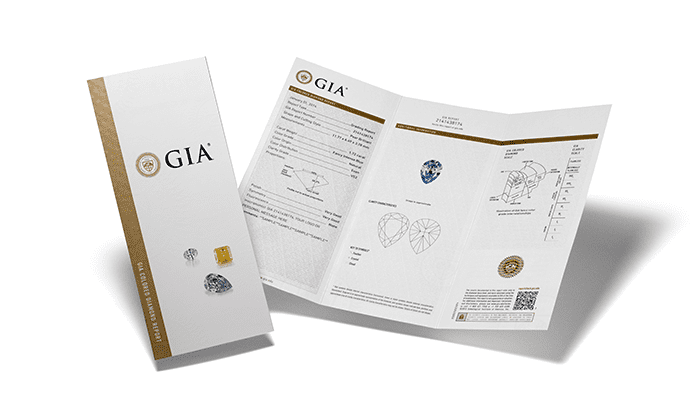
Gemstone Certification usually refers to an independent gemological report that identifies a stone and may also describe treatments, origin, and grading information depending on the laboratory and report type. Different labs offer different levels of reporting. GIA positions its reports as a scientific analysis and grading benchmark, while AGL offers identification and enhancement reporting, origin services, and grading based reports for colored stones.
This distinction matters because not every report includes the same detail. Some documents are basic identification reports. Others include gemstone grading information such as color, clarity, and cut analysis. Some also comment on country of origin for certain gem types like ruby, sapphire, and emerald. Buyers should never assume that every certificate covers everything. The value of the report depends on what was actually tested and disclosed.
What a good certification report may include
- Identification of the gemstone species or variety
- Statement about natural, treated, or laboratory grown status
- Gemstone treatment disclosure where applicable
- Measurements and weight
- Color and clarity observations on some report types
- Country of origin on certain specialized reports
- Report number and laboratory details for verification
Why Certified Gemstones Matter Before Ordering
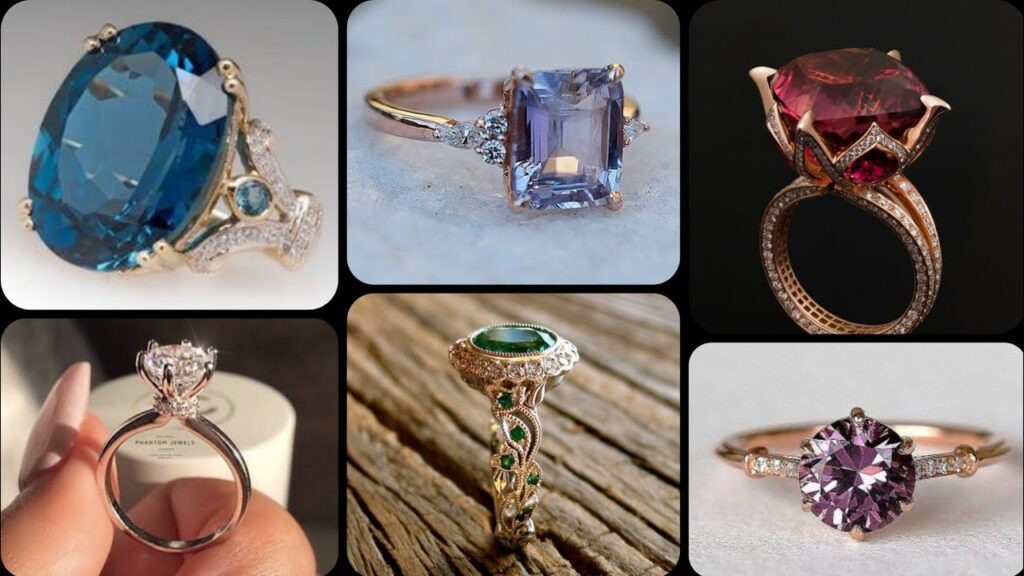
Certified gemstones matter because they create a more reliable basis for buying decisions. Without certification, a buyer may be relying only on a seller’s description, product photo, or verbal claim. That can be risky, especially in categories where heat treatment, filling, dyeing, diffusion, fracture filling, or other enhancements may affect the appearance and value of the stone. GIA’s treatment guide specifically notes that gem treatments are constantly changing and that detection of treated gems is an important part of ongoing gemological research.
This is particularly important for buyers ordering online, wholesale buyers placing larger orders, and jewelry brands sourcing for collections. In all these cases, certified gemstones help confirm gemstone authenticity and provide a stronger foundation for pricing, customer trust, and later resale or documentation. The FTC also highlights that claims about gemstones must be accurate and that material information should be disclosed truthfully to consumers.
For businesses working across materials, certification becomes part of quality control. That is why many brands also align gemstone sourcing with the wider gemstone manufacturing process so that identification, cutting, matching, and final jewelry use all connect properly.
1. Who Issued the Certificate
The first thing a buyer should check is the issuing laboratory. A certificate is only as useful as the credibility and expertise behind it. GIA is widely recognized for gemological research, education, and laboratory services, and AGL is known for colored gemstone analysis, enhancement reporting, and origin reporting. These differences matter because colored stone certification is not identical across all labs or all report types.
A strong lab report gives buyers more confidence because the document comes from an independent source rather than only the seller. This does not mean every lesser known lab is automatically unreliable, but it does mean buyers should understand the lab’s role, specialty, and reputation before relying on the report to justify price or rarity claims.
Questions to ask about the issuing lab
- Is the lab independent from the seller
- Is the lab known for gemstone identification or grading
- Does the lab specialize in colored stones when relevant
- Can the report number be verified
- Does the report type match the value and complexity of the stone
2. Confirm Gemstone Authenticity
One of the most basic but essential parts of Gemstone Certification is gemstone authenticity. Buyers should confirm exactly what the stone has been identified as. Is it a natural sapphire, a lab grown emerald, an imitation, or a composite material? Those differences are fundamental, and they can strongly affect price, care requirements, and resale value. The FTC’s Jewelry Guides are built around helping consumers receive accurate information about gemstones and their laboratory created and imitation substitutes.
This is especially important for popular gemstone categories where lookalikes are common. A beautiful green stone may not necessarily be emerald. A vivid blue stone may not necessarily be untreated sapphire. Buyers should read the report wording carefully and not rely only on the headline gemstone name used in marketing.
This also matters in design planning. If a buyer is sourcing for a jewelry collection, confirmed identification helps ensure the stone fits the intended product category, pricing strategy, and customer messaging. Related educational pages such as types of gemstones can also help buyers better understand what they are comparing.
3. Look Closely at Gemstone Treatment Disclosure
Gemstone treatment disclosure is one of the most important parts of any gemstone report. Many natural gemstones in the trade are treated to improve color, clarity, or stability. Treatments are not automatically bad, but they must be disclosed because they affect value and sometimes durability. GIA explicitly states that treated gem material must be disclosed when submitted for analysis, and its treatment guide explains that treatment detection and special care considerations are important parts of modern gemology.
For buyers, this means reading beyond the gemstone name and checking whether the report mentions heating, filling, dyeing, diffusion, coating, or other enhancement methods. AGL also emphasizes identification and enhancement reporting in its services, showing how central this issue is in colored stone certification.
Treatment disclosure matters for three big reasons. It affects price, long term care, and transparency. A treated gemstone may still be beautiful and commercially appropriate, but the buyer should know exactly what they are buying.
Why treatment disclosure matters
- Treatments can affect gemstone value
- Some treatments influence durability and care
- Certain enhancements are more accepted than others in the trade
- Buyers need accurate information for resale or customer communication
- Transparent disclosure helps avoid disputes after purchase
4. Understand What Gemstone Grading Covers
Gemstone grading is not always as standardized across colored stones as diamond grading, which is why buyers should be careful about what a report actually grades. GIA’s research on colored gemstone value factors highlights the importance of quality factors such as cut, while AGL states that its grading reports can assess color, clarity, cut, and other factors affecting value. In other words, grading exists, but it depends on the lab and report type.
This matters because some buyers assume that every certified gemstone comes with a full grading breakdown. That is not always true. Some reports focus mostly on identification and enhancement. Others go further into grading analysis. Before ordering, check whether the certificate includes only gemstone identity or also comments on visual quality.
For buyers comparing multiple stones, gemstone grading can help create a clearer framework for evaluating value. It is also highly relevant for custom orders and matched sets where consistency matters across more than one stone.
5. Review Cut, Measurements, and Symmetry
A gemstone can be authentic and even untreated, but still not be a great buy if the cut quality is weak. GIA’s colored stone cut guidance explains that outline, symmetry, and craftsmanship all influence value and appearance. A poorly cut gem may show uneven shape, poor light return, or awkward proportions, which can reduce beauty even when the material itself is good.
That is why buyers should look at the measurements listed on the certificate, compare them with the shape shown in photos, and pay attention to how balanced the stone appears. In jewelry manufacturing, measurements matter even more because stones often need to fit planned settings. A mismatch between certificate dimensions and mounting requirements can create unnecessary production issues.
For brands or product teams working with custom shapes, this connects naturally with areas such as custom gemstone cutting works where precision and suitability for the final design are especially important.
- Length, width, and depth measurements
- Symmetry of the outline
- Whether the proportions suit the gem type
- Visible windowing or poor light return in photos
- Whether the cut matches the intended jewelry setting
6. Ask Whether Origin Matters for This Stone
For some gemstones, country of origin can significantly influence pricing and market perception. AGL states that its Prestige Origin report can determine country of origin for ruby, sapphire, emerald, alexandrite, and some other varieties. But origin services are not available for all gem types, and not every buyer needs them for every purchase.
This means buyers should think practically. If the stone is being sold with a premium based on origin, then origin documentation becomes much more important. If origin is not central to the value of the purchase, then a standard identification and treatment report may be sufficient.
Origin claims can be powerful in marketing, so they should never be accepted casually without proper lab support. When included, this information can strengthen confidence. When missing, buyers should be cautious about paying extra for verbal provenance claims.
7. Match the Certificate to the Price Level
Not every gemstone purchase needs the most advanced report, but the value of the stone should generally match the level of documentation. A simplified identification report may be reasonable for lower value commercial stones. For higher value gemstones, special color claims, or stones sold on rarity and provenance, buyers should expect more detailed reporting. AGL, for example, offers both more simplified GemBrief style reporting and more advanced Prestige reports with grading or origin services.
This is a practical buying point. If a seller is asking a significant premium, the buyer should expect stronger documentation. A weak or vague certificate on an expensive gemstone is a reason to slow down and ask more questions.
8. Make Sure the Report Matches the Actual Stone
It sounds obvious, but buyers should verify that the certificate actually corresponds to the exact stone being ordered. Check report numbers, measurements, weight, shape, and any identifying details. In online purchases, ask for a clear image of the certificate and, where possible, verification through the issuing laboratory’s system if available.
This is especially relevant for businesses ordering multiple stones or matched lots. Even a legitimate report is only useful if it belongs to the exact gemstone being sold. In collection development, this step becomes part of professional sourcing discipline, just like matching stones for color or cut consistency.
Brands comparing materials for production may also find related context through precious vs semi precious gemstones when deciding how much documentation and value justification is appropriate for different categories.
Common Mistakes Buyers Make With Certified Gemstones
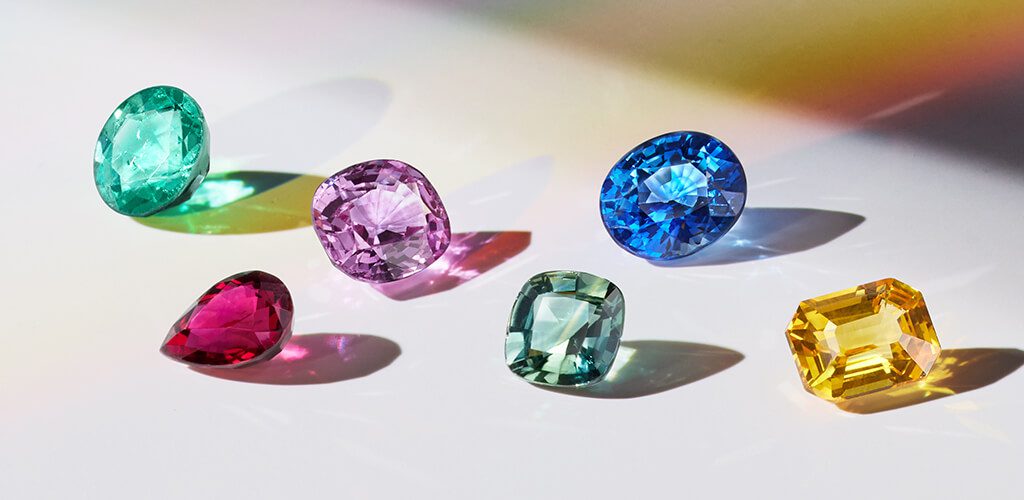
A common mistake is assuming certification alone guarantees a good purchase. Certification helps confirm facts, but it does not automatically mean the stone is beautiful, well priced, or suitable for the intended design. Buyers still need to evaluate photos, cut, proportion, treatment impact, and commercial logic.
Another mistake is ignoring treatment disclosure because the stone looks attractive. Treatments can affect both value and care, and that matters after the sale. A third mistake is treating all labs and all report types as equal, when in reality the level of detail can vary significantly.
Common mistakes to avoid
- Looking only for the word certified without reading the report
- Missing treatment disclosure details
- Paying premium prices for unsupported origin claims
- Ignoring cut quality and measurements
- Assuming every lab uses the same reporting depth
- Forgetting to verify that the certificate matches the exact stone
How Buyers Can Use Certification More Effectively
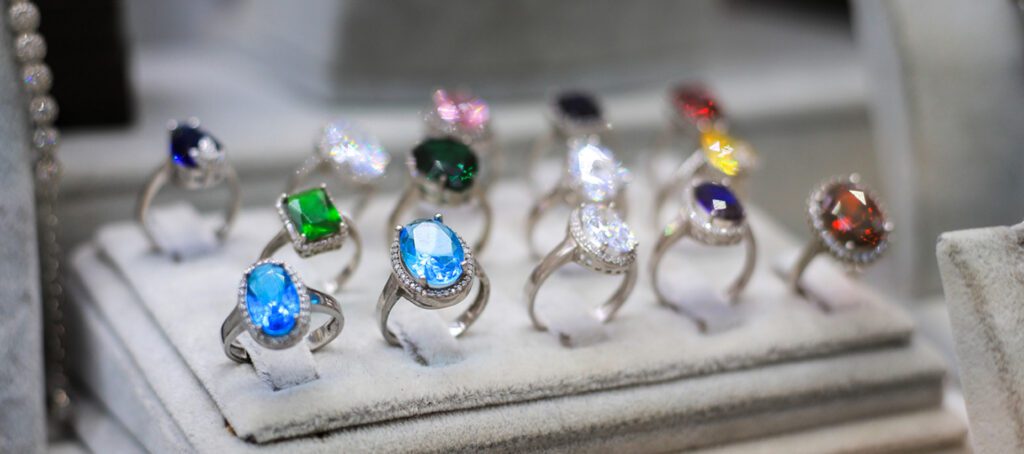
The smartest way to use Gemstone Certification is as a decision tool, not just a paperwork requirement. Start with the report, confirm gemstone authenticity, check treatment disclosure, understand what grading information is included, and then compare that information with the asking price, product photos, and intended use of the stone.
For brands and repeat buyers, certification can also improve internal quality control. It supports clearer supplier communication, better pricing logic, and stronger product descriptions for customers. If the stone will go into finished jewelry, it also helps to think ahead about maintenance and customer education. Pages like identify real gemstones can support this learning process further.
FAQs
Gemstone Certification is an independent laboratory report that typically identifies the gemstone and may also disclose treatments, grading information, and sometimes origin, depending on the lab and report type.
No. A certified gemstone can still be treated. The important part is whether the treatment has been disclosed clearly in the report. GIA specifically requires disclosure of treated gem material when submitted for analysis.
Because treatments can affect value, care needs, and transparency. Some treatments are widely accepted in the trade, but buyers should still know about them before ordering.
No. Different laboratories and report types provide different levels of information. Some focus on identification and enhancement, while others also include grading and origin analysis.
Start with the issuing lab, then confirm gemstone authenticity, treatment disclosure, and whether the report includes relevant grading or origin information for the purchase.
Not exactly. Colored gemstone grading exists, but it is not always presented in the same standardized way across all labs and report types. GIA and AGL both discuss colored stone quality factors, but the scope depends on the report.
It matters most when the seller is charging a premium based on origin, especially for stones like ruby, sapphire, and emerald where provenance can influence market value. AGL offers origin reporting for certain gem varieties.
No. Certification helps verify facts, but buyers should still assess cut, appearance, measurements, price fairness, and suitability for the intended use.
Conclusion
Gemstone Certification is one of the most important tools buyers have when ordering gemstones. It helps confirm what the stone is, whether it has been treated, and in some cases how its quality and origin have been evaluated. But the real value comes from knowing how to read the report properly and what to check before making a buying decision.
The most careful buyers do not stop at the word certified. They examine the issuing laboratory, gemstone authenticity, gemstone grading details, and gemstone treatment disclosure closely. That extra attention helps prevent overpaying, reduces uncertainty, and leads to smarter, more confident purchases.
If you are sourcing stones for jewelry production or custom projects, explore Eon Gems’ services to learn more about their gemstone and jewelry capabilities, or reach out through the contact us page to discuss your requirements.