Are you struggling to find a jewelry manufacturer who truly understands your brand, your quality expectations, and your growth goals?
If yes, you are far from alone. For many small jewelry brands, finding the right manufacturing partner feels much harder than it should be. What looks simple from the outside often becomes a long process filled with unclear communication, inconsistent quality, hidden costs, delayed timelines, and disappointing samples.
This challenge is one of the biggest reasons small jewelry businesses lose momentum in the early stages. Many founders begin with strong ideas, beautiful sketches, and a clear market vision, but when it comes to production, they hit a wall. The wrong manufacturer can slow down product launches, affect customer trust, reduce margins, and create stress that pulls focus away from branding and sales.
The good news is that this problem can be solved. Once small brands understand why the search is so difficult, they can make smarter decisions and avoid common mistakes. Choosing the right manufacturing partner is not just about price. It is about alignment, reliability, technical capability, communication, and long term support. If you are still at the research stage, it also helps to understand how to select a perfect jewellery manufacturer before moving forward.
Why Finding the Right Jewelry Manufacturer Feels So Difficult
For a small brand, the manufacturing world can feel overwhelming. There are countless suppliers online, many of them promising premium quality, fast delivery, custom design support, and wholesale pricing. But once conversations begin, the reality is often very different. Some suppliers are not transparent. Some only prioritize large clients. Others may not have the craftsmanship or systems needed to support a growing brand.
Small brands often enter this process without deep production knowledge, which makes it easier to get confused or misled. They may not know how to compare one manufacturer to another, what questions to ask, or how to assess technical quality before placing an order. This creates a risk of choosing a supplier based only on quick communication or attractive pricing.
Another reason it feels difficult is that jewelry manufacturing is highly detail driven. A small difference in plating, stone setting, finishing, mold quality, or metal composition can completely affect the final piece. That means the manufacturer is not just a vendor. They are a core part of your product quality and customer experience.
Small Jewelry Brands Often Have Smaller Order Quantities
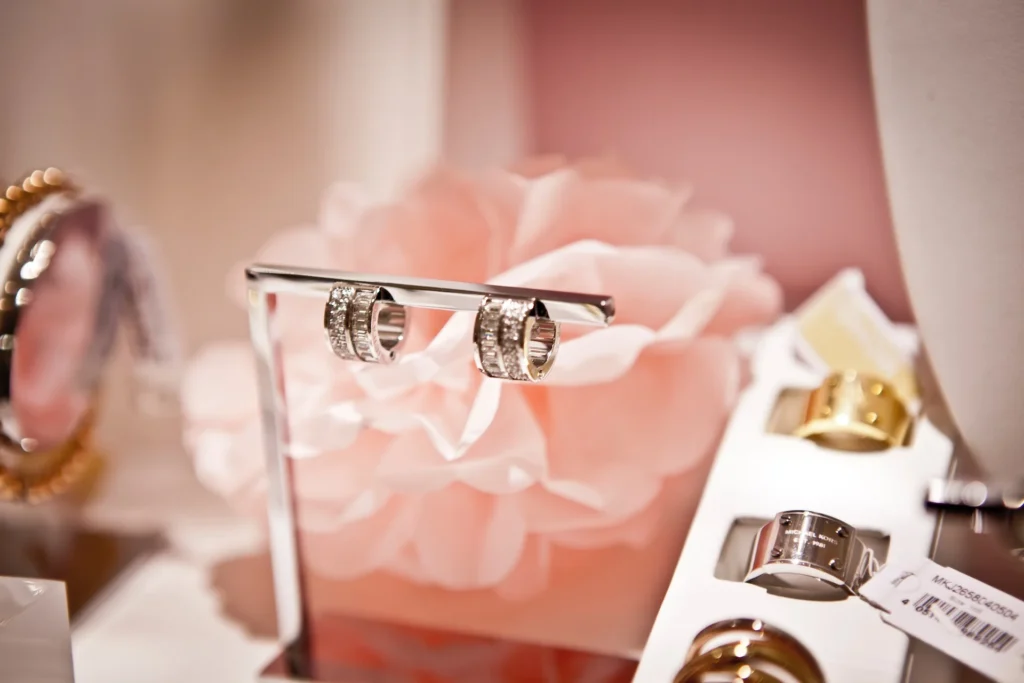
One of the main reasons small jewelry brands struggle is that many manufacturers prefer working with larger clients. Bigger brands usually place larger volume orders, repeat business regularly, and bring more predictable revenue. Because of that, smaller brands may receive less attention, longer waiting times, or stricter minimum order quantity requirements.
This creates an immediate barrier for startups and boutique labels that want to test designs before scaling. They may only want to produce a limited collection at first, but many manufacturers are not interested in small batch runs. Others may agree to small orders, but increase per piece pricing in a way that becomes hard for the brand to sustain.
How this affects small brands
- Limited freedom to test new designs
- Higher cost per piece at low quantities
- Reduced negotiation power
- Slower product development cycles
- Pressure to over invest too early
This is why small brands need manufacturers who understand growing businesses, not only established wholesale buyers. A partner with flexible production options can help a brand start lean and expand more strategically.
Communication Gaps Create Expensive Mistakes
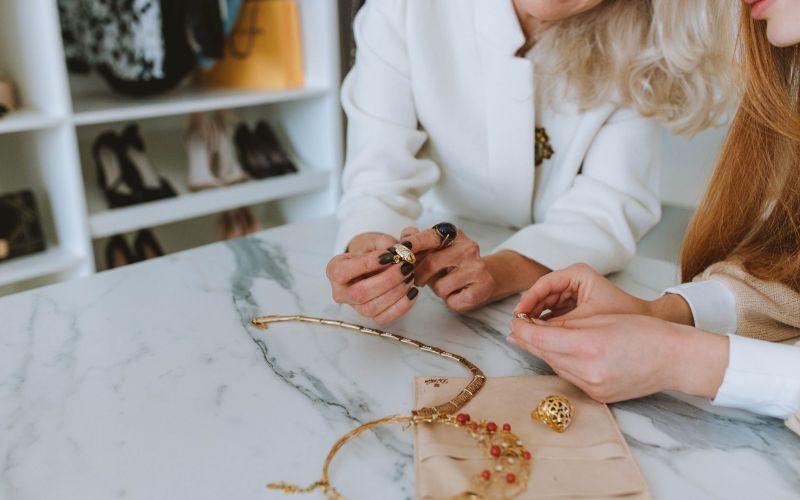
Another major problem is communication. Even when a manufacturer looks promising, poor communication can quickly become a serious issue. Delayed replies, vague answers, unclear timelines, and missing updates can turn a simple production cycle into weeks of frustration.
For jewelry brands, communication is not just about politeness. It directly affects design execution, revisions, approvals, and final quality. If a brand asks for a certain stone shape, polish level, clasp style, plating tone, or logo placement, every detail needs to be understood clearly. When communication is weak, the final product often fails to match the original expectation.
This is especially challenging for brands producing custom collections. A small business may not have an in house production team to monitor every stage, so it relies heavily on the manufacturer’s responsiveness and accuracy. That is why choosing a manufacturer with structured workflows matters just as much as design talent. It also helps to understand the broader jewelry manufacturing process so expectations stay realistic from the beginning.
Quality Inconsistency Hurts Brand Trust
A beautiful first sample does not always guarantee consistent production. This is one of the biggest hidden issues in jewelry manufacturing. Some suppliers can create a strong prototype, but struggle to maintain that same quality across a full batch. For a small jewelry brand, that inconsistency can be damaging.
Customers notice details. They notice loose stones, uneven finishing, poor plating, rough edges, mismatched sizing, and clasps that do not feel secure. Since small brands rely heavily on word of mouth, social proof, and repeat buyers, even a few weak products can affect the brand’s reputation.
This is why quality control is not optional. Small brands need to ask how the manufacturer manages production checks, finishing standards, and batch consistency. Without this, the business may end up spending extra on replacements, refunds, and customer support.
- Samples look better than production units
- Surface finish varies from piece to piece
- Stone setting is not secure across the full batch
- Metal color or plating tone is inconsistent
- Packaging and final presentation feel unreliable
For brands planning to build long term credibility, manufacturing quality should be treated as a brand pillar, not just an operational detail.
Many Small Brands Choose Based Only on Price
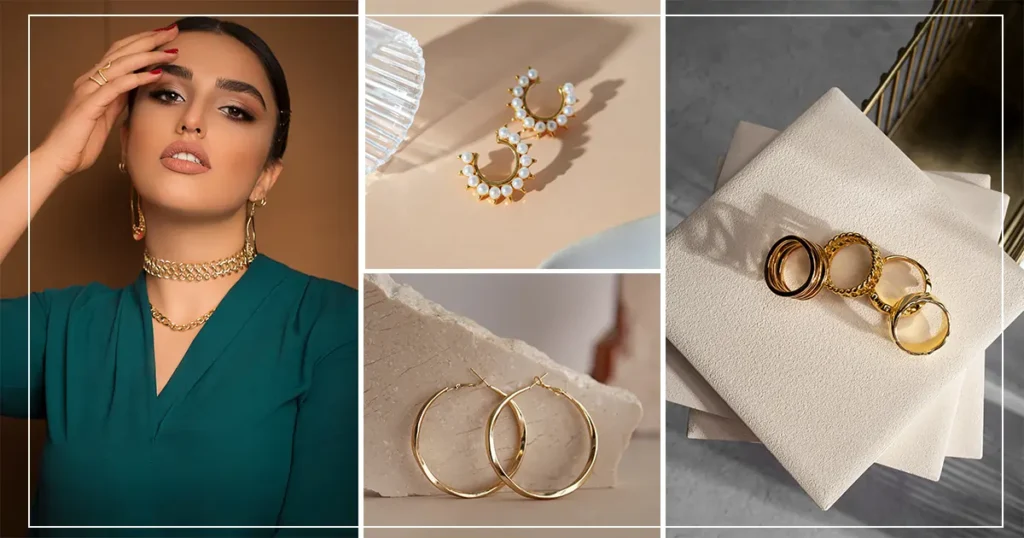
Price is important, especially when budgets are tight. But one of the biggest mistakes small jewelry brands make is choosing a manufacturer mainly because the quote is lower. Low cost production can look attractive at first, but it often leads to bigger problems later.
A cheaper supplier may cut corners on materials, finishing, labor precision, quality control, or communication. That can lead to delays, rework, inconsistent products, and lost trust with customers. In the end, what looked affordable may become much more expensive once you factor in returns, negative reviews, wasted stock, and missed launch opportunities.
This does not mean small brands should ignore cost. It means they should evaluate value, not only price. A manufacturer who offers stable quality, transparent communication, and production reliability is often the smarter long term choice. If you are comparing suppliers for gold based designs, it can also help to review a dedicated gold jewelry manufacturer page to understand what specialized manufacturing support may include.
Lack of Product Development Support Slows Growth
Small jewelry brands often need more than simple production. They may need help refining sketches, improving structure, selecting materials, testing wearability, or adapting designs for manufacturing. Not every manufacturer provides this level of support.
This becomes a problem when a founder has a strong creative vision but limited technical production knowledge. A good manufacturing partner can guide the brand through metal choices, stone compatibility, thickness adjustments, practical construction, and commercial viability. A weak partner may simply produce whatever file is submitted, even if it is not optimized for comfort, strength, or cost efficiency.
That support matters even more in custom and gemstone based collections. For example, brands experimenting with stone details often benefit from understanding areas such as custom gemstone cutting works and how that influences final design outcomes.
Product development support can help brands with
- Converting sketches into production ready designs
- Suggesting practical improvements for wearability
- Recommending suitable materials for target pricing
- Avoiding design flaws before mass production
- Improving the balance between beauty and manufacturability
Unclear Specialization Creates Mismatch
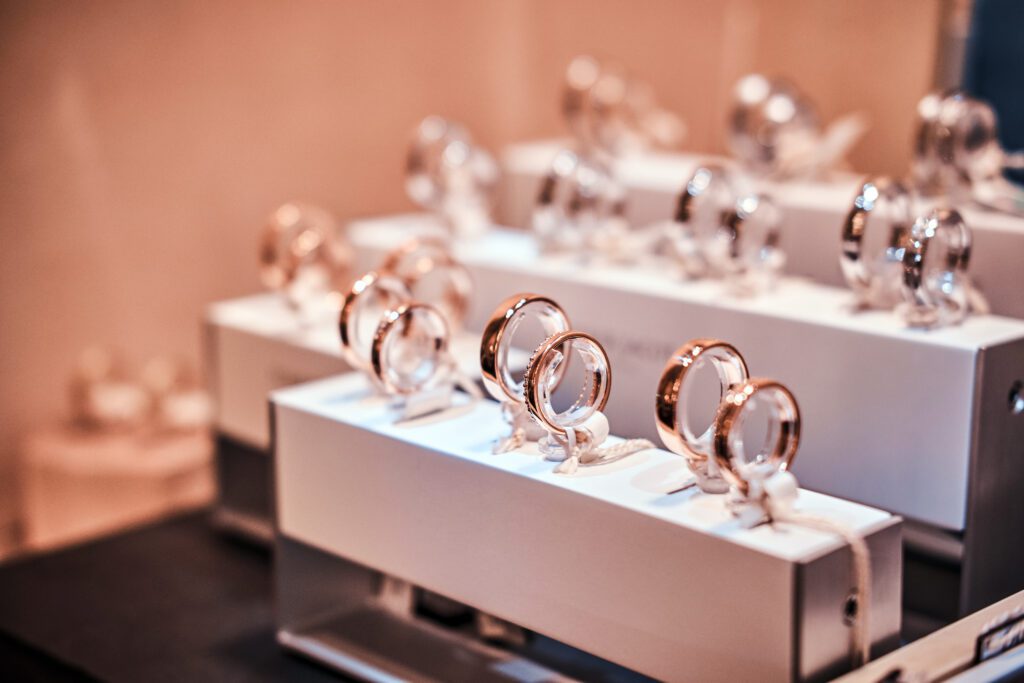
Not every jewelry manufacturer is right for every brand. Some are stronger in silver jewelry, some in gemstone work, some in vermeil, some in large scale wholesale, and others in fine detail custom projects. One of the reasons small brands struggle is that they do not always know how to identify specialization.
A supplier may say yes to every inquiry, but that does not mean they have the right expertise. A brand focused on delicate sterling silver pieces may not get the best outcome from a manufacturer whose strengths lie elsewhere. Likewise, a brand building gemstone rich designs needs a partner who understands stone setting, sourcing, and finishing standards at a deeper level.
This is why niche alignment matters. A startup working on silver based collections, for example, may want to review a specialist silver jewelry manufacturer rather than choosing a general supplier with limited focus.
Delays Can Damage Product Launches
Timing matters a lot in jewelry. Small brands often plan launches around seasons, gifting periods, trade shows, campaigns, or influencer collaborations. If the manufacturer misses deadlines, the impact can be serious. A delayed launch can affect revenue, marketing performance, and inventory planning all at once.
Unfortunately, delays are common when brands choose partners without confirming capacity, timelines, revision processes, or shipping flow. Some manufacturers overpromise at the quotation stage, then fail to deliver when production becomes busy. For a small brand, this can be extremely stressful because it disrupts every part of the business.
That is why timeline clarity matters from the start. Brands should ask not only about production duration, but also about sampling time, revision cycles, finishing, packing, and dispatch planning. Reliable scheduling is part of professional manufacturing service.
How Small Jewelry Brands Can Solve This Problem
The solution begins with changing the way the manufacturer search is approached. Instead of looking only for someone who can produce jewelry, small brands should look for a partner who can support growth, maintain quality, and communicate clearly.
Start by defining your needs properly. Know your product category, target customer, material preferences, order size, quality level, and expected pricing range. The clearer you are, the easier it becomes to filter out unsuitable suppliers. When your expectations are vague, the search becomes much harder.
Then, evaluate manufacturers on multiple levels. Look at specialization, product quality, communication style, production flexibility, sample experience, and transparency. Ask for detailed answers. Request sample references. Understand how they handle revisions and quality control. This process takes more effort, but it protects your brand.
Practical steps to solve the manufacturer problem
- Define your product category and target price point clearly
- Shortlist only manufacturers aligned with your material and design needs
- Ask specific questions about quality control and lead times
- Request realistic sample development before committing to volume
- Check how they handle custom work, revisions, and communication
- Compare long term value, not just initial quote
- Choose a partner who can support scale, not only the first order
Build Relationships, Not Just Transactions
One of the smartest moves a small jewelry brand can make is to treat manufacturing as a relationship, not a one time transaction. The best outcomes usually come when a brand and manufacturer build trust over time. As the manufacturer understands your style, standards, and audience better, production becomes smoother and more consistent.
This relationship mindset also helps with collection expansion. Once you have a dependable partner, it becomes easier to launch new products, improve existing bestsellers, and respond to customer demand faster. The manufacturer becomes part of your brand’s operational strength.
For founders who are still early in the journey, reading business oriented resources like start your own jewelry business can also help frame manufacturing as one piece of a larger growth strategy.
What the Right Manufacturer Should Really Offer
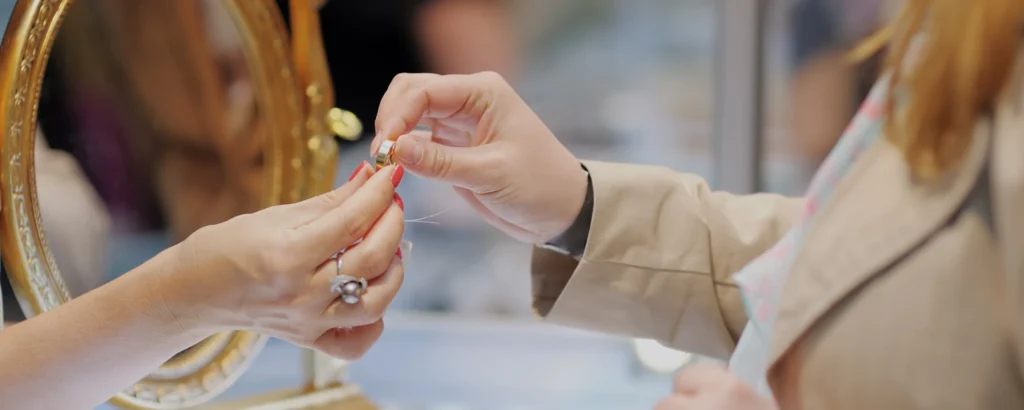
The right jewelry manufacturer should offer more than production capacity. They should provide clarity, consistency, technical understanding, and a willingness to support your brand as it grows. They should help you avoid waste, improve products, and create pieces that truly reflect your market position.
A strong partner will usually stand out in simple but important ways. They communicate clearly. They explain processes well. They do not hide behind vague language. They understand materials. They take sampling seriously. They show care in execution. These qualities may seem basic, but they are often what separate a frustrating supplier from a valuable long term partner.
What to look for in the right manufacturer
- Clear and timely communication
- Material and category specific expertise
- Quality control systems
- Honest production timelines
- Support for custom development
- Flexibility for growing brands
- Consistency across samples and bulk orders
FAQs
Small brands usually have lower order quantities, tighter budgets, and less manufacturing experience. Because of that, they often receive fewer flexible options and may find it harder to assess supplier quality and reliability.
One of the biggest mistakes is choosing only on the basis of low price. A cheap quote may lead to poor quality, delays, and extra costs later.
The best way is to evaluate communication, quality consistency, specialization, sampling process, and long term support. The right fit should align with your category, values, and production goals.
Not always. It depends on the brand’s positioning, budget, and product complexity. Some brands begin with simpler customizations before moving into more advanced custom development.
It is extremely important. Samples reveal craftsmanship, finishing quality, communication accuracy, and how well the manufacturer understands your design expectations.
Yes, very strongly. Poor product quality, delayed launches, and inconsistent finishing can lead to bad reviews, returns, and reduced trust, all of which affect repeat purchases.
In many cases, yes. A specialized manufacturer often has deeper expertise in specific materials or product types, which can result in better quality and smoother development.
They should prepare clear design references, target pricing, estimated quantity, material preference, product category details, and a realistic timeline. This makes manufacturer conversations much more productive.
Conclusion
Small jewelry brands struggle to find the right manufacturer because the process is full of hidden challenges, from minimum order barriers and poor communication to inconsistent quality and misleading pricing. For a young brand, these issues can slow growth and create avoidable setbacks at a stage where every decision matters.
The solution is to choose more carefully and more strategically. Look beyond low prices, ask sharper questions, understand your production needs, and work with a manufacturer whose capabilities truly match your brand. The right partnership can improve product quality, customer trust, and long term growth in a powerful way.
If you are looking for professional support for your next jewelry collection, explore Eon Gems’ services page to understand their manufacturing capabilities, or get in touch through the contact us page to discuss your project requirements and production goals.