How do jewelry brands source calibrated diamonds for jewelry manufacturing without ending up with mismatched sizes, inconsistent sparkle, or production delays?
This is one of the most important questions in diamond based jewelry production, especially for brands working on pavé rings, halo settings, tennis bracelets, bridal lines, and repeatable commercial collections. When a design depends on many small stones fitting precisely into a planned layout, sourcing cannot be casual. It has to be controlled, measured, and aligned with manufacturing from the very beginning.
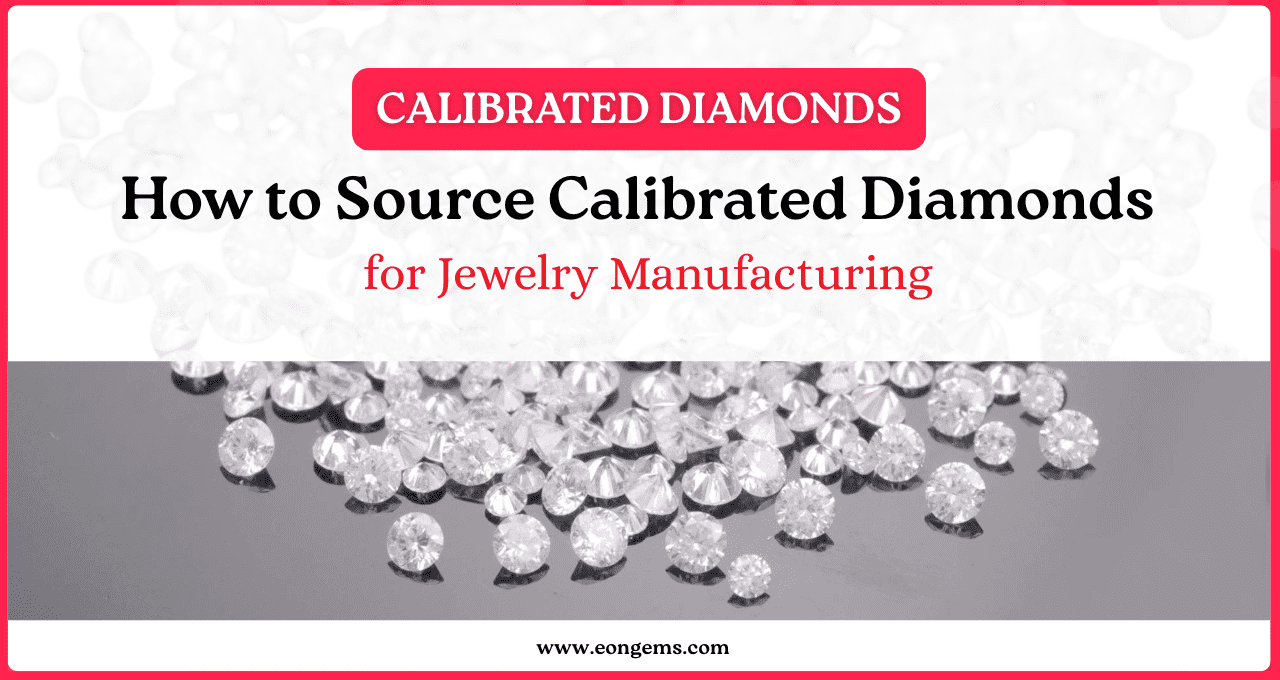
Calibrated diamonds for jewelry manufacturing are used when brands need stones in tightly controlled sizes and relatively consistent quality ranges so production can move efficiently across multiple pieces. In trade language, many of these goods fall into the melee category. GIA defines melee as small diamonds, either single cut or full cut, weighing less than 1/5 carat, and notes that they are often used around a center stone or on a band. GIA also notes that melee can be sold in parcels of hundreds to thousands of stones, which is exactly why sourcing discipline matters so much for manufacturers and brands working at scale.
For brands, the challenge is not only buying diamonds. It is buying the right mix of size, color, clarity, cut quality, and parcel consistency so the stones fit the design and the production flow. A reliable wholesale diamonds supplier becomes critical here because one weak parcel can affect setting quality, visual consistency, and even delivery timelines. If you are building commercial jewelry collections, understanding how sourcing works is just as important as understanding the broader jewelry manufacturing process.
What Calibrated Diamonds Mean in Jewelry Manufacturing
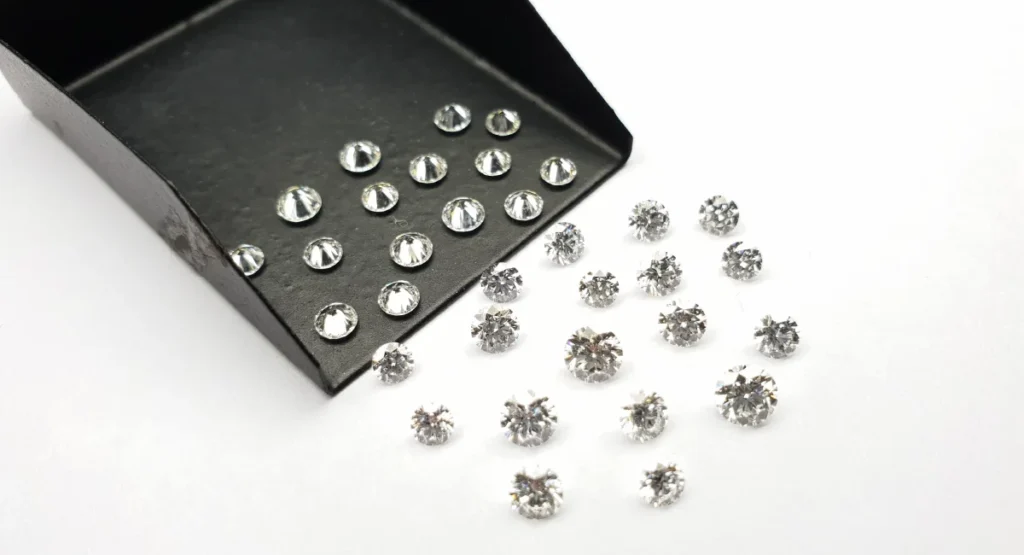
Calibrated diamonds are diamonds sorted and supplied to fit specific size requirements needed for repeat production. In manufacturing, this matters because many jewelry designs are built around pre planned seat sizes, stone counts, and spacing logic. GIA has noted that when producing many pieces from one design, stones need to be readily available in calibrated sizes. That basic principle still shapes modern production today.
This is especially important in styles that rely on visual uniformity. If the stones vary too much in diameter, depth, or overall make, setters may struggle to achieve even spacing and clean finishing. The result can be a piece that looks less refined, even if the individual diamonds are acceptable on their own. In practical terms, calibrated sourcing helps brands create jewelry that is faster to set, easier to repeat, and more consistent across batches.
Why calibrated diamonds matter in production
- They help stones fit pre planned settings more accurately
- They reduce setting errors and rework
- They improve consistency across repeated designs
- They support smoother bulk manufacturing
- They make quality control easier during production
Why Small Size Differences Become Big Production Problems
In diamond jewelry manufacturing, tiny variations matter. This is especially true for pavé, micro pavé, halos, and other layouts where many stones sit closely together. Even a small mismatch in millimeter size can change spacing, alignment, seat depth, and overall appearance. That is why brands sourcing diamond parcels for production should never look only at total weight. Millimeter calibration matters just as much.
Trade and supplier standards reinforce this logic. Rio Grande, for example, notes that gemstone sizes can vary slightly unless they are precisely calibrated to an exact size, and even a small tolerance matters in setting work. While that example is not diamond specific, the manufacturing principle is directly relevant. Precise sizing is essential when jewelry is engineered around repeatable stone placement.
For diamond production, this becomes even more important because buyers are often working with many stones in the same item, not just one center stone. A setter may be able to work around tiny variation in a custom one off piece, but not efficiently across bulk production.
Understand the Role of Melee in Diamond Manufacturing
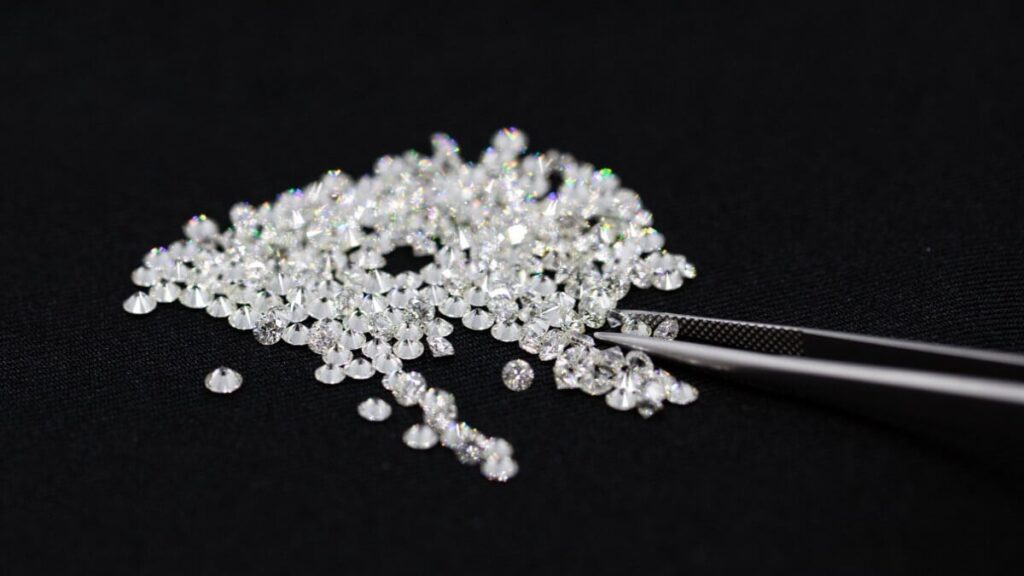
Many calibrated diamonds used in production are melee diamonds. GIA explains that melee can be as small as 0.001 carat and that the exact size range varies across segments of the trade. It also notes that these stones are often used as accents, around center stones, or across bands. In other words, melee is the backbone of many commercial diamond designs.
This matters because when people search for calibrated diamonds for jewelry manufacturing, they are often really dealing with melee sourcing logic. They need stones grouped into usable size ranges, often supplied in parcels, and ready for designs that demand uniformity. For a brand making multiple SKUs, sourcing the right melee is not just a procurement task. It is a design and production decision.
GIA also notes that screening small diamonds has become increasingly important because parcels can contain mixed origins if sourcing is not controlled. That makes trusted supply and documentation especially important when working with production quantities.
Choose a Wholesale Diamonds Supplier Carefully
A wholesale diamonds supplier is not just someone who can sell you stones. For production work, the supplier should be able to support consistency, documentation, repeat orders, and parcel logic that fits manufacturing reality. Brands should ask whether the supplier can provide calibrated lots, whether stones are sorted by millimeter range or sieve range, how color and clarity are grouped, and whether the supplier can support repeat purchasing for future batches.
This is also where transparency matters. GIA and trade sources have highlighted the importance of screening melee parcels because undisclosed lab grown or treated stones can appear visually similar to natural stones in mixed parcels. For any brand working with natural diamond claims, supply chain clarity is essential.
A strong supplier relationship helps in other ways too. It improves replenishment, allows better forecasting, and reduces the risk of changing appearance across future production runs. For brands that also work across broader categories, related partners such as a diamonds supplier wholesaler page can be helpful in understanding the kind of support a production oriented source should provide.
What to ask a wholesale diamonds supplier
- Are the stones sorted by exact size range or broad parcel range
- Can you supply repeat parcels with similar color and clarity profiles
- Do you disclose natural or lab grown origin clearly
- Can you support ongoing production, not only one time buying
- How do you handle screening, documentation, and consistency
How Diamond Parcels for Production Actually Work
Diamond parcels for production are grouped lots of small stones sold together for manufacturing use. GIA notes that melee is sold in parcels of hundreds to thousands of gemstones, which reflects how commercial manufacturing operates. Instead of sourcing tiny diamonds one by one, brands and factories buy parcels that match a target production need.
But not all parcels are equally useful. One parcel may be acceptable for a generic low precision design, while another may be far better suited for pavé, halos, or structured layouts. The value of a parcel depends on how tightly the stones are matched in size, how consistent the visual quality is, and whether the parcel supports efficient setting. That is why bulk diamond sourcing should never be reduced to price per carat alone.
A production friendly parcel typically needs more than basic availability. It needs predictable results. That means the brand or manufacturer should understand whether the parcel is suitable for hand setting, CAD based production, cast in place workflows, or repeat commercial assembly.
Diamond Sizes for Pavé Need Extra Care
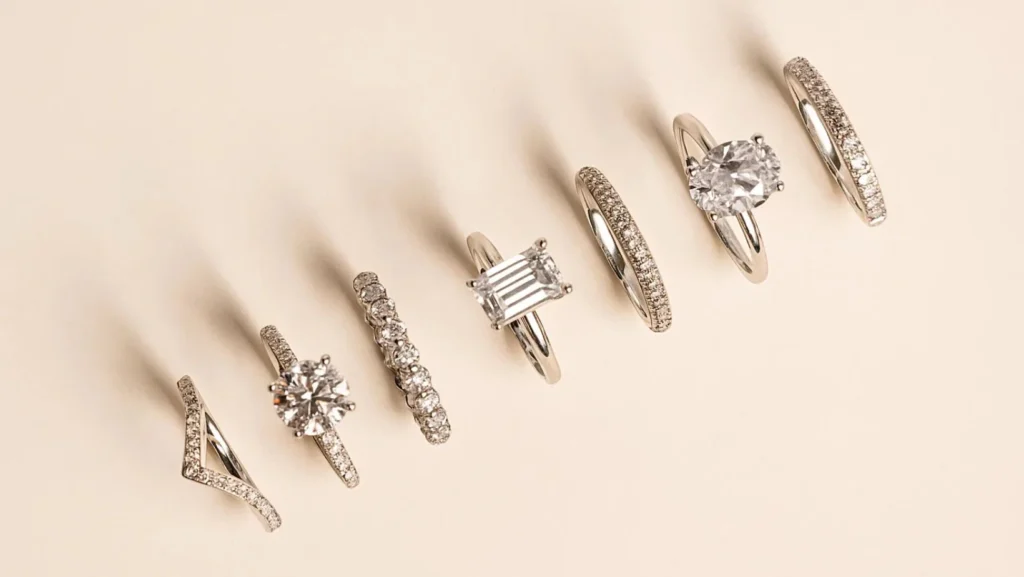
Diamond sizes for pavé are one of the most detail sensitive parts of jewelry sourcing. Pavé relies on multiple small stones placed close together so the surface appears continuous and bright. GIA notes that melee diamonds are frequently used this way in jewelry. If the stones are not closely matched, pavé can quickly lose its clean, elegant effect.
For brands, this means pavé sourcing should begin with the setting plan. The design team and the supplier should work from the same expectations about millimeter size range, cut type, height consistency, and stone count. A parcel that is too broad in spread may create extra labor for the setter and weaker visual results for the final product.
It is also smart to think ahead about reorders. If a pavé style becomes a bestseller, the brand will need similar stones again. Sourcing without a repeatable standard may create problems when restocking later. This is one reason manufacturing aligned sourcing usually outperforms ad hoc buying.
Why pavé sourcing can go wrong
- The parcel includes too much size variation
- Stones differ noticeably in brightness or cut make
- The supplier cannot repeat the same parcel quality later
- The design was built before confirming actual available sizes
- The setter has to compensate for poor calibration during production
Balance Size, Color, Clarity, and Cut for Production
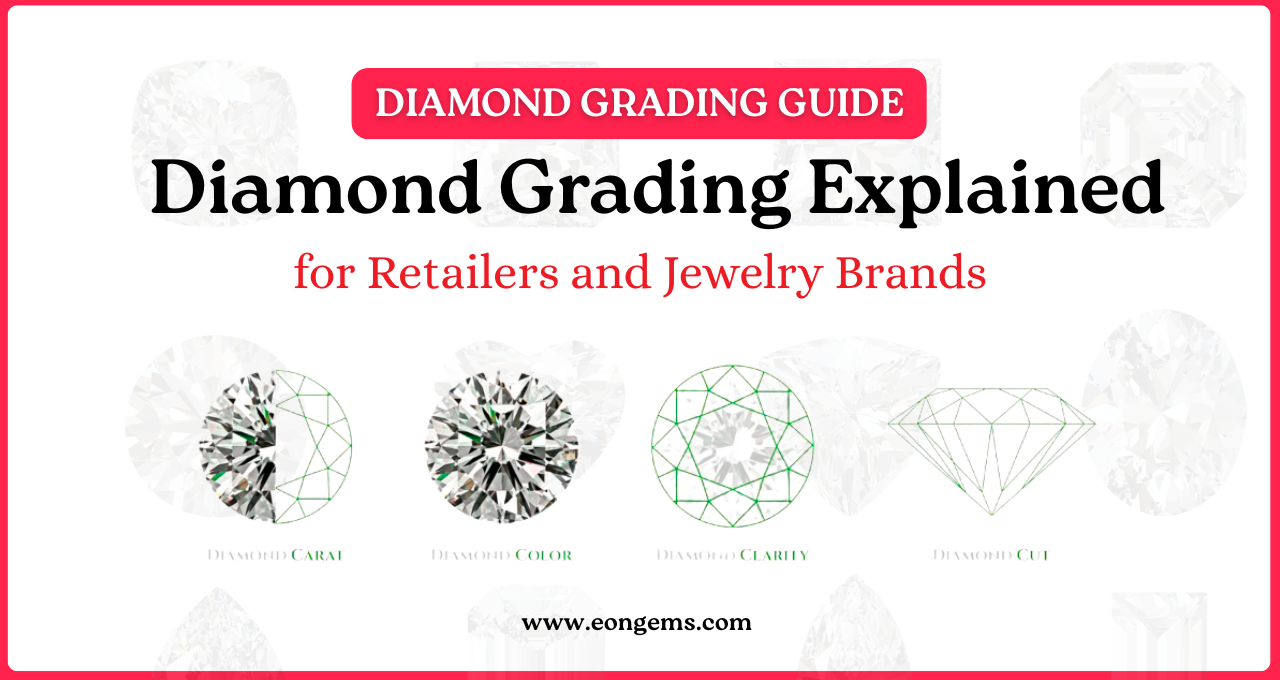
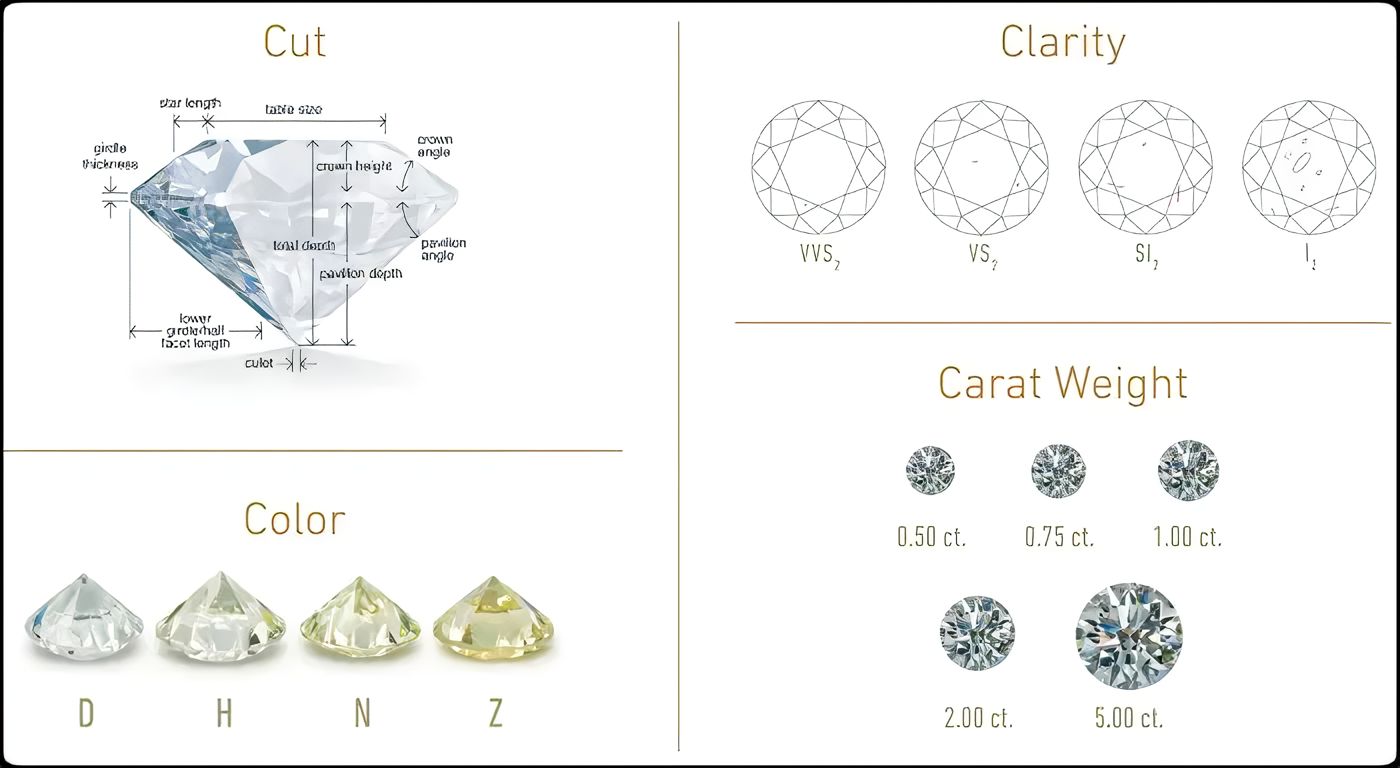
In fine jewelry retail, consumers often focus on the 4Cs for larger diamonds. In production sourcing, the same principles still matter, but they are used differently. GIA notes that carat weight is measured very precisely, and its work on melee also shows how trade segments rely on grouped small goods for manufacturing. For calibrated production stones, the question is not only how good each diamond is individually. The real question is whether the parcel performs consistently as a group.
This is why production buyers often work with commercial quality bands rather than chasing perfection. The goal is visual consistency, not overpaying for specifications the customer may never perceive in tiny accent stones. A well chosen parcel can produce excellent sparkle and harmony without pushing the design into an unsustainable cost bracket.
At the same time, brands should be careful not to go too low. If the cut quality is weak or the clarity issues are too visible, pavé and halo designs can look dull. The best sourcing strategy usually sits in the middle, where the parcel gives strong visual performance and dependable manufacturing behavior.
Bulk Diamond Sourcing Requires Planning, Not Impulse Buying
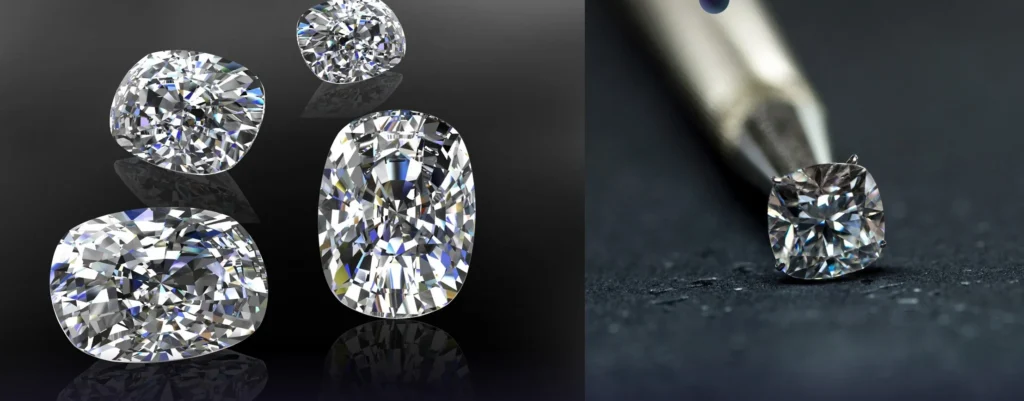
Bulk diamond sourcing works best when it is planned around collection needs. The brand should know what styles are being produced, what sizes are required, how many stones each SKU needs, what replacement rate to expect, and whether the same goods will be needed again in future runs. Without this planning, suppliers may offer parcels that seem attractive but are not actually optimized for your production.
This is also where forecasting matters. A brand launching a bridal line, for example, may need one set of calibrated melee for halos and shoulders, another for shared prong bands, and another for accent settings in matching earrings or pendants. Each of those use cases may require different size logic even if the diamonds all look small to the casual eye.
From a business point of view, bulk buying can improve cost efficiency, but only if the goods are right for the work. Overstocking the wrong parcel is not a saving. It is a production problem that sits on your shelf.
Screening and Disclosure Matter More Than Ever
One of the most important sourcing issues today is origin and disclosure. GIA states that melee parcels can contain both natural and lab grown goods, and that the visual similarity of small stones makes screening important. GIA also offers parcel analysis services specifically because separating natural, lab grown, and treated goods in melee parcels is a real trade need.
For brands, this means supplier trust is essential, but trust alone is not enough. Documentation, disclosure, and where appropriate, screening support should be part of the sourcing process. This protects both the manufacturer and the brand’s final claims to customers.
This does not mean lab grown diamonds are a problem by themselves. The real issue is undisclosed mixing or inconsistent supply representation. Clear sourcing standards help avoid that risk and support better brand credibility.
Risk controls for diamond parcel sourcing
- Work only with suppliers who disclose origin clearly
- Ask how parcels are screened and documented
- Keep natural and lab grown sourcing separate internally
- Record parcel specs for future repeat buying
- Align sourcing records with product claims and sales language
Match Sourcing to the Manufacturing Method
Different manufacturing methods place different demands on calibrated stones. A hand fabricated piece may allow a little more adjustment. A CAD led repeat production line may need tighter size consistency. Cast in place workflows, surface intensive pavé, and highly structured halo patterns all benefit from more controlled calibration.
This is why sourcing should happen with manufacturing input, not in isolation. The supplier, CAD team, setter, and production planner should all be aligned on what size ranges are actually usable. In high volume work, even a small mismatch between sourcing and bench reality can create extra labor and inconsistency.
Brands that also combine diamonds with other stones or materials may benefit from understanding adjacent sourcing logic through pages like gemstone manufacturer or gold jewelry manufacturer, since the production framework is often interconnected.
Build a Repeatable Sourcing System
The best brands do not source calibrated diamonds from scratch every time. They build a system. That system usually includes approved suppliers, preferred size ranges, accepted quality windows, documentation rules, restock procedures, and sample based validation. Once this system is in place, production becomes more stable and scaling becomes easier.
A repeatable system also helps with new product development. When designers know what calibrated goods are readily available, they can design more intelligently. That reduces revision cycles and helps collections move faster from concept to production.
For businesses trying to scale, sourcing consistency is one of the quiet factors behind strong execution. Customers may never see the parcel, but they absolutely see the result in the final jewelry.
FAQs
They are diamonds sorted to fit specific size requirements used in repeat production, especially in styles like pavé, halos, bands, and other multi stone designs. GIA notes that many small diamonds used in jewelry fall into the melee category.
Pavé depends on many small stones sitting evenly together. If the stones vary too much in size or make, the setting can look uneven and may require more corrective labor during production.
They are grouped lots of small diamonds sold together for manufacturing use. GIA notes that melee is commonly sold in parcels containing hundreds to thousands of stones.
They should check size calibration, consistency between parcels, disclosure of natural or lab grown origin, documentation practices, and the supplier’s ability to support repeat orders over time. GIA and trade sources emphasize the importance of screening and disclosure for melee parcels.
No. Total weight alone is not enough because manufacturing also depends on millimeter size, spread consistency, and how well the stones fit the intended setting layout.
Pavé usually uses very small diamonds from the melee category. GIA defines melee as diamonds under 0.20 carat, though exact ranges vary across trade segments.
Because small diamond parcels can contain mixed natural, lab grown, or treated goods if sourcing is not tightly controlled. GIA specifically highlights screening services for melee parcels for this reason.
By building approved supplier lists, recording parcel specifications, standardizing acceptable size and quality ranges, and aligning sourcing closely with the production team’s actual needs.
Conclusion
Sourcing calibrated diamonds for jewelry manufacturing is not just about buying small stones in bulk. It is about aligning size, consistency, parcel quality, disclosure, and repeatability with the real needs of production. From pavé settings to halo work and commercial diamond lines, the right stones make manufacturing smoother and the final jewelry more refined.
The strongest approach is to treat sourcing as part of the manufacturing strategy, not as a separate buying task. Work with a reliable wholesale diamonds supplier, define usable size ranges clearly, choose diamond parcels for production carefully, and build systems that support repeat orders over time. When that process is done well, brands gain better consistency, better efficiency, and better finished jewelry.
If you are sourcing stones for upcoming collections, explore Eon Gems’ diamonds supplier wholesaler page for related support, or reach out through the contact us page to discuss your jewelry manufacturing requirements.