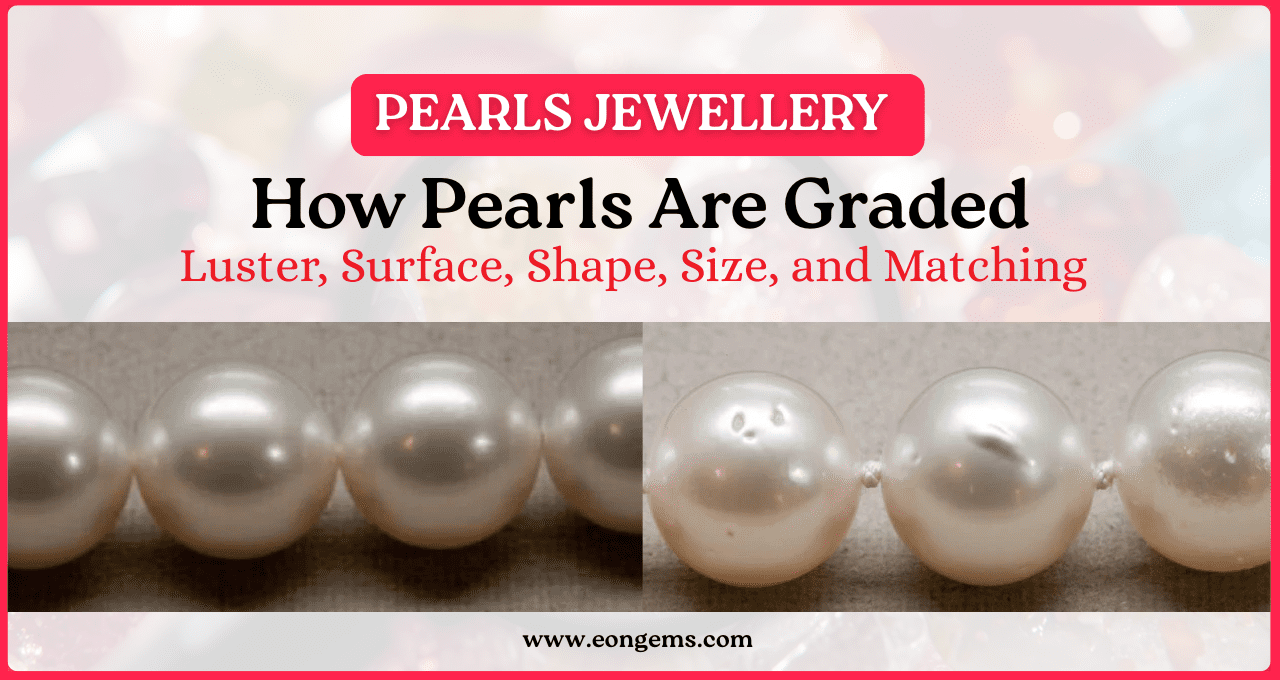
What actually makes one pearl look luxurious and valuable, while another looks ordinary even if they seem similar at first glance? That is one of the most important questions for pearl buyers, jewelry brands, and retailers. The answer lies in pearl grading. A pearl is not judged by one feature alone. Its beauty and value come from a combination of factors, especially luster, surface quality, shape, size, and matching. When these elements come together well, the result is a piece of pearl jewelry that looks refined, balanced, and premium.
For brands and buyers, understanding pearl grading is essential because pearls are not standardized in the same way as many manufactured jewelry components. Each pearl is unique. That means pearl quality factors must be evaluated carefully, not only one by one, but also in how they work together. In necklaces, earrings, and coordinated sets, matching becomes especially important because visual harmony strongly affects the final impression of the jewelry.
This pearl buying guide will explain how pearls are graded, what luster surface shape size really mean in practical terms, and why matching matters so much in pearl jewelry quality. If you are also looking at pearl jewelry from a manufacturing perspective, it helps to understand how a specialist pearls jewellery manufacturer approaches consistency across full collections.
What Is Pearl Grading?
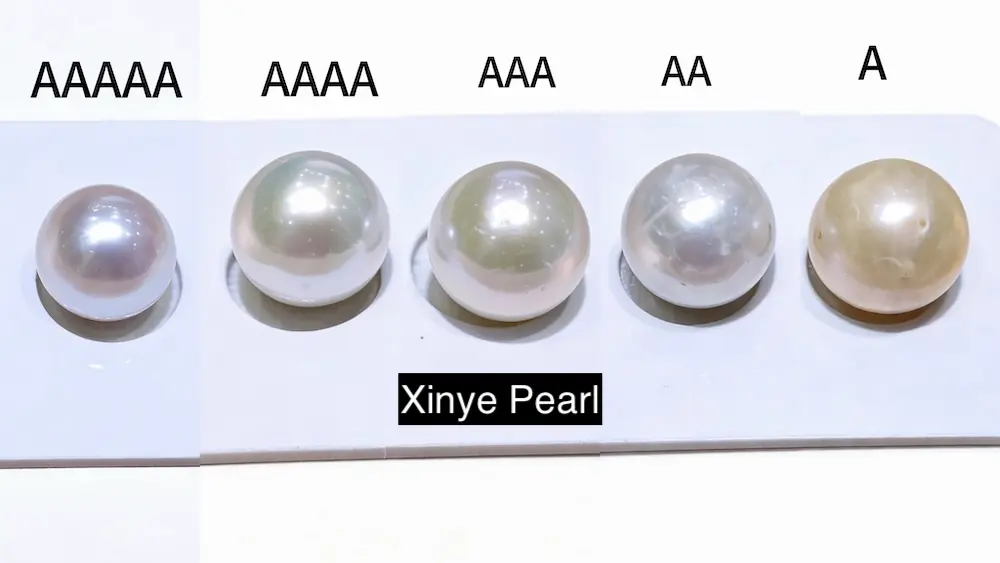
Pearl grading is the process of evaluating a pearl’s quality based on key visible and structural factors. GIA describes seven value factors for pearls: size, shape, color, luster, surface quality, nacre quality, and matching. For buyers and brands, the most commonly discussed practical grading points are luster, surface, shape, size, and matching because these are the qualities people see most immediately when comparing pearls or finished jewelry.
This is why pearl grading matters so much in both retail and manufacturing. It gives a clearer language for describing quality and helps buyers understand why two pearl pieces can look very different in value even when the material category appears similar. It also helps brands build more consistent collections because grading brings structure to sourcing and selection.
Why pearl grading matters
- It helps buyers compare pearls more confidently
- It explains differences in pearl jewelry quality
- It improves consistency across strands and sets
- It supports smarter sourcing for jewelry brands
- It reduces confusion during pearl selection
Luster, The Most Important Pearl Quality Factor
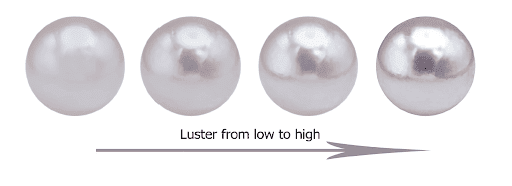
Luster is often considered the most important visible factor in pearl grading. It refers to the intensity and sharpness of light reflected from or just below the pearl’s surface. High luster pearls show bright, crisp reflections and an inner glow, while lower luster pearls appear dull, chalky, or blurred. GIA notes that luster contributes strongly to a pearl’s beauty, and practical buying guides also emphasize it as one of the first things shoppers should notice.
In real buying situations, luster can change the whole character of a pearl. A pearl with excellent luster can look more alive, more elegant, and more premium even if it is not the largest pearl in the group. That is why luster often matters more than size alone. For jewelry brands, strong luster is especially important because pearls need to photograph beautifully for ecommerce and look polished under different lighting conditions.
How to assess pearl luster
- Look for bright and sharp reflections
- Check whether the pearl appears lively rather than flat
- Compare several pearls side by side under light
- Notice if the reflection edges look crisp or blurry
- Remember that stronger luster usually creates a more premium appearance
Surface Quality, Why Fewer Blemishes Matter
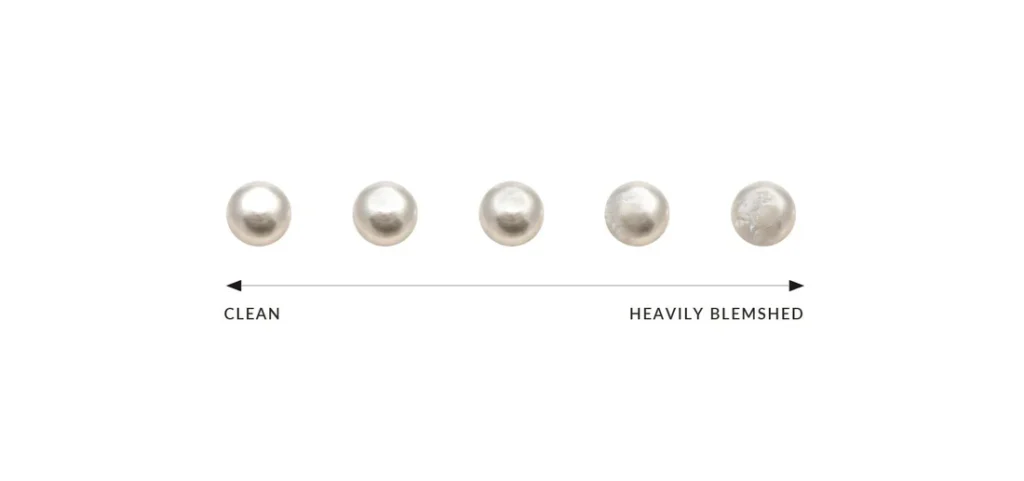
Surface quality refers to the visible condition of a pearl’s exterior. Because pearls are organic gems, surface characteristics are normal, but the number, size, and visibility of blemishes affect both beauty and value. GIA notes that abrasions, scratches, pits, or other noticeable surface features can reduce a pearl’s appeal and, if severe, may also affect durability. Practical buying sources similarly explain that fewer visible imperfections generally indicate a higher quality pearl.
That does not mean a pearl must be perfectly flawless to be beautiful. In fact, many attractive pearls have minor natural markings. What matters is whether those marks are distracting. In pearl jewelry quality, buyers usually prefer surfaces that look clean at a normal viewing distance, especially in earrings, pendants, and rings where the pearl is more exposed to close visual inspection.
If a brand is creating product pages or educational content, linking pearl surface quality to overall material care can also help customers understand longevity. A related guide like clean and care for your jewelry can support this part of the buying journey.
Common things checked in surface quality
- Pits or indentations
- Scratches or abrasions
- Spots or visible markings
- Wrinkles or uneven areas
- Whether blemishes are concentrated in visible areas
Shape, How Form Influences Value and Style
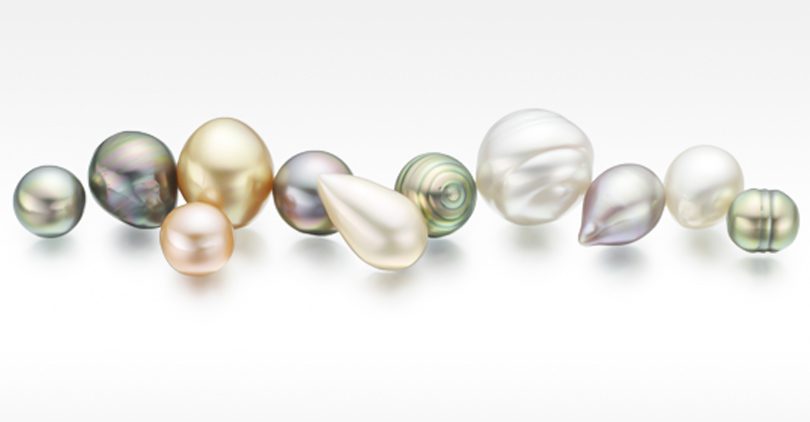
Shape is another major part of pearl grading. Pearls come in a wide range of forms, including round, near round, oval, drop, button, and baroque. GIA includes shape as a core pearl value factor, and commercial pearl buying guides note that round pearls are generally the rarest and often the most valuable in traditional grading terms. At the same time, other shapes can be highly desirable depending on the design style and intended market.
For a buyer, shape affects both price and aesthetic. Perfectly round pearls are often associated with classic luxury and traditional strands. Baroque or irregular pearls, on the other hand, can feel artistic, modern, and fashion forward. This means shape should not be judged only by rarity. It should also be judged by how well it suits the final jewelry design.
For brands, this matters a lot in collection planning. A modern label may intentionally choose baroque pearls for individuality, while a bridal collection may favor round or near round pearls for symmetry and elegance. Broader style references such as latest trends in jewellery design can help brands decide which pearl shapes fit their audience best.
Popular pearl shapes in jewelry
- Round pearls for classic luxury looks
- Near round pearls for refined everyday collections
- Drop pearls for elegant pendants and earrings
- Button pearls for practical wearable designs
- Baroque pearls for unique and contemporary styling
Size, More Than Just Bigger Is Better
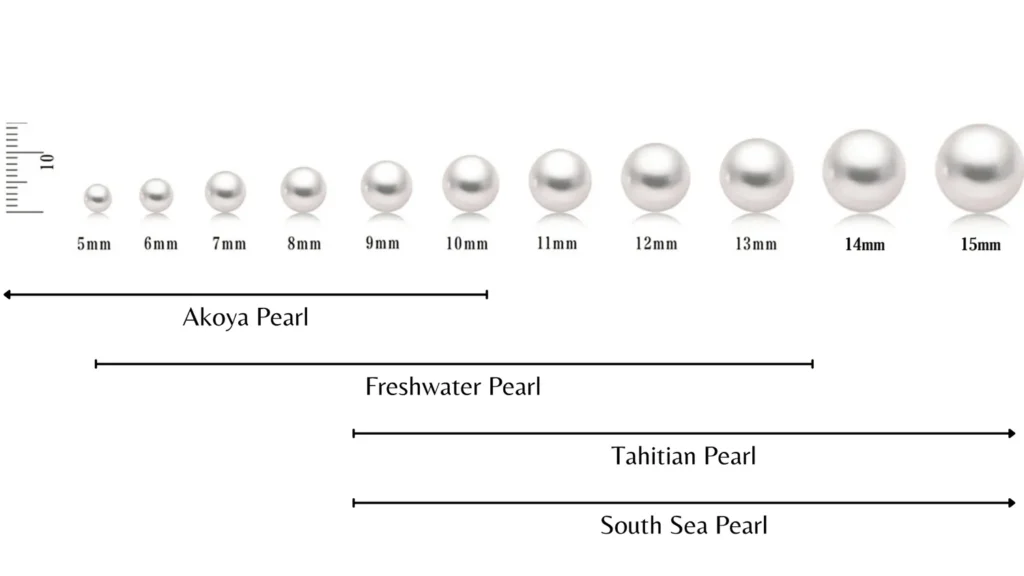
Size is one of the easiest pearl quality factors to notice, but it should never be judged in isolation. GIA explains that round and near round pearls are measured by diameter in millimeters, while other shapes are measured by their dimensions. In general, larger pearls are rarer and often more expensive, but size alone does not determine whether a pearl is better. Luster, surface, and shape still play a major role in perceived beauty and value.
In practical buying, this means a smaller pearl with excellent luster and a clean surface may look more luxurious than a larger pearl with weak luster or obvious blemishes. For finished jewelry, size should also fit the purpose of the design. Delicate earrings, minimal pendants, dramatic statement strands, and bridal pieces all require different size choices.
If a brand is planning full jewelry collections, size consistency across products becomes just as important as individual pearl size. This is especially true when multiple pieces are designed to look coordinated within one line.
Matching, The Hidden Factor That Changes Everything
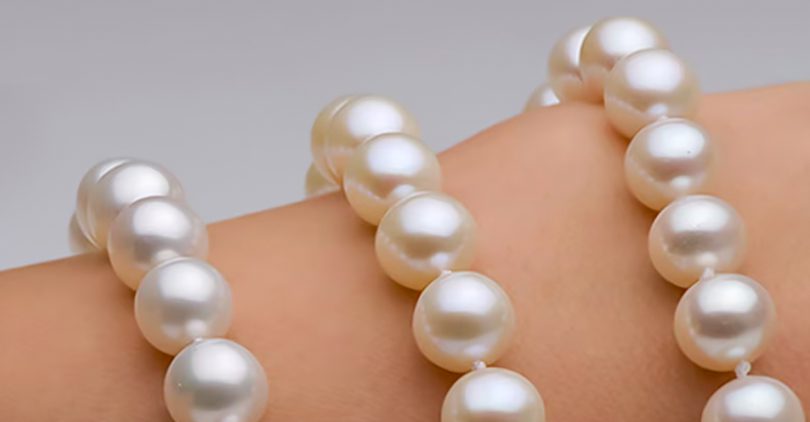
Matching is often overlooked by casual buyers, but it is one of the most important elements in pearl jewelry quality when a piece contains two or more pearls. GIA specifically identifies matching as a key value factor for jewelry with multiple pearls, and notes that it describes the uniformity of pearls in a strand or multi pearl piece. Matching is not an inherent property of one pearl alone. It is a design and selection decision based on how pearls look together.
This means matching involves balancing size, shape, color, luster, and surface quality so the full piece feels harmonious. In pearl earrings, poor matching becomes visible immediately. In pearl strands, inconsistent matching can make the necklace feel lower in quality even when individual pearls are decent. For brands, matching is a core part of manufacturing discipline because customers expect symmetry, rhythm, and visual coherence across a premium pearl collection.
This is one reason why professional production matters so much. The jewelry manufacturing process for pearl pieces is not only about assembly. It also includes sorting and grouping pearls carefully before they ever become part of the final design.
What matching usually includes
- Similar size across the selected pearls
- Consistent luster level
- Compatible surface quality
- Harmonious color tone and overtone
- Balanced shape across pairs, strands, or sets
How Pearl Quality Factors Work Together
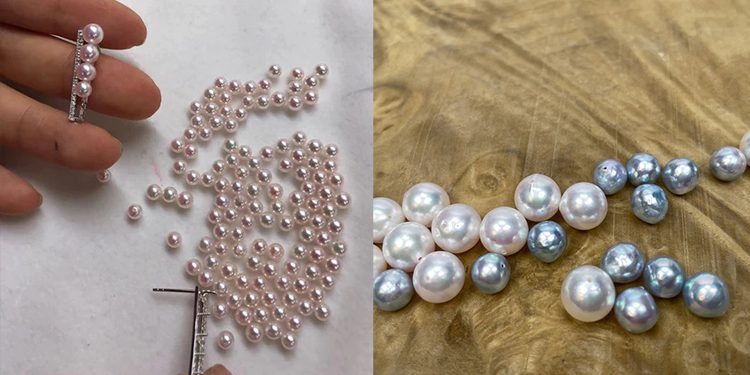
The most important thing to understand in pearl grading is that no single factor tells the whole story. Luster surface shape size and matching all interact. A large pearl may be impressive, but if it has weak luster or a poor surface, it may not feel truly premium. A slightly irregular pearl may still be very desirable if it has beautiful luster and fits a modern design concept. A strand of well matched near round pearls can often look more elegant than a collection of larger but poorly matched pearls.
This is why pearl buying should always be comparative. Buyers and brands should not focus only on one feature, such as size or price. The strongest pearl jewelry usually comes from a balanced combination of qualities. That balanced view is also what makes a real pearl buying guide more useful than a simple price based approach.
For product development teams, this layered understanding helps when building collections that combine pearls with other materials. Brands working across categories may also explore related material planning through pages like gemstone manufacturer or gold jewelry manufacturer when pearls are part of a wider jewelry line.
How Buyers Can Use This Pearl Buying Guide in Real Life
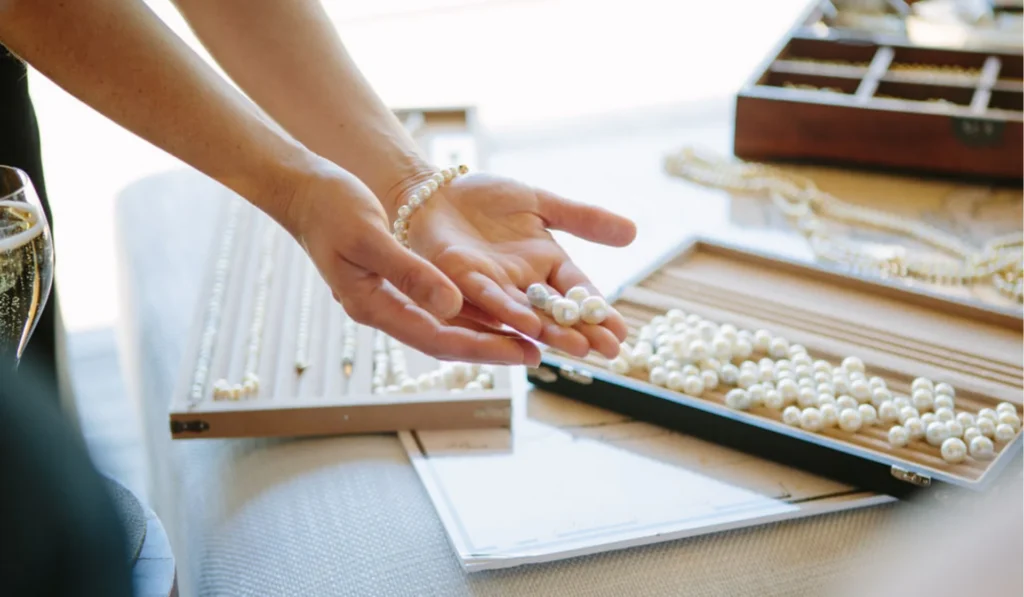
When buying pearls, start by looking at the pearl as a whole rather than jumping straight to measurements or price. Observe the luster first. Does the pearl look bright and reflective, or soft and dull? Then check the surface. Are blemishes visible from a normal viewing distance? After that, consider shape and size in relation to the intended style of jewelry. Finally, if the piece includes multiple pearls, assess how well they match.
This approach is useful for both end customers and jewelry businesses. A customer can use it to make a smarter purchase. A retailer can use it to explain value more clearly. A brand can use it to improve sourcing and create more consistent collections. For those comparing pearl types before buying, a helpful next step may be understanding freshwater vs saltwater pearls, since type also influences look, feel, and price positioning.
Simple checklist for evaluating pearls
- Start with luster before anything else
- Check whether the surface looks clean and refined
- Decide if the shape suits the style you want
- Consider whether the size fits the design, not just the price
- In multi pearl pieces, inspect matching carefully
- Compare more than one option side by side whenever possible
Why Pearl Grading Matters for Brands and Manufacturers
For jewelry brands, pearl grading is not just a retail talking point. It directly affects sourcing, product consistency, pricing, customer satisfaction, and visual brand identity. If a brand cannot maintain consistent pearl quality factors across a collection, the final products may look uneven or less premium. This becomes especially important in earrings, strands, bridal sets, and coordinated product lines where matching drives the overall impression.
That is why experienced pearl manufacturers build grading and matching into their workflow. The best results come when pearls are sorted carefully before design execution, not after. For a business selling pearl collections, this process supports better photography, clearer pricing logic, and stronger customer trust over time.
FAQs
Pearl grading is the process of evaluating a pearl based on quality factors such as luster, surface quality, shape, size, and matching, along with other factors like color and nacre quality in formal systems.
Luster is widely considered one of the most important visible quality factors because it strongly affects how bright, sharp, and luxurious a pearl appears.
Not always. Round pearls are traditionally prized for rarity and symmetry, but other shapes such as drop or baroque can be highly desirable depending on the design style and collection concept.
Not necessarily. Small natural blemishes are common in pearls. What matters is how visible they are and whether they distract from the pearl’s overall beauty.
Matching is important because pearls in earrings, strands, and sets should look harmonious in size, luster, shape, and overall appearance. Good matching makes the jewelry feel more refined and premium.
No. Larger pearls are often rarer, but value also depends on luster, surface quality, shape, and matching. A smaller high quality pearl can be more attractive than a larger lower quality one.
Yes, to a degree. Buyers can visually compare luster, obvious surface blemishes, shape, size, and matching under good light. Professional grading can provide more formal evaluation, but careful visual comparison is still very useful.
Because brands need the same understanding of pearl quality factors to source consistently, price accurately, and build collections that look cohesive across multiple pieces.
Conclusion
Pearl grading is the foundation of understanding pearl beauty and value. While many buyers first notice size, the most important reality is that pearl quality depends on a combination of factors, especially luster, surface, shape, size, and matching. When these elements work together well, pearls look more elegant, more balanced, and more premium.
Whether you are a buyer choosing a special piece or a brand building a full collection, learning how pearls are graded helps you make better decisions. It moves the conversation beyond simple appearance and into real quality. The strongest pearl jewelry is not just attractive. It is thoughtfully selected, carefully matched, and built around the right quality standards.
If you are looking for professional support for pearl based collections, explore Eon Gems’ pearls jewellery manufacturer page for related services, or reach out through the contact us page to discuss your jewelry project and manufacturing needs.