Gemstones, also known as gems or precious stones, are naturally occurring minerals that are cut and polished for use in jewelry and ornamentation. For centuries, gemstones have fascinated people with their brilliant colors, rarity, durability, and cultural symbolism.
In this guide, we will explore the meaning of gemstones, the major types of gemstones, their uses in jewelry and industry, and the powerful benefits they are believed to offer.
Whether you are a jewelry lover, gemstone buyer, or brand owner sourcing stones from Jaipur, understanding the different types of gemstones helps you make more informed choices.
To explore gemstone varieties used in fine jewelry manufacturing, you can also visit our complete gemstone collection at EonGems Gemstones.
The Meaning of Gemstones
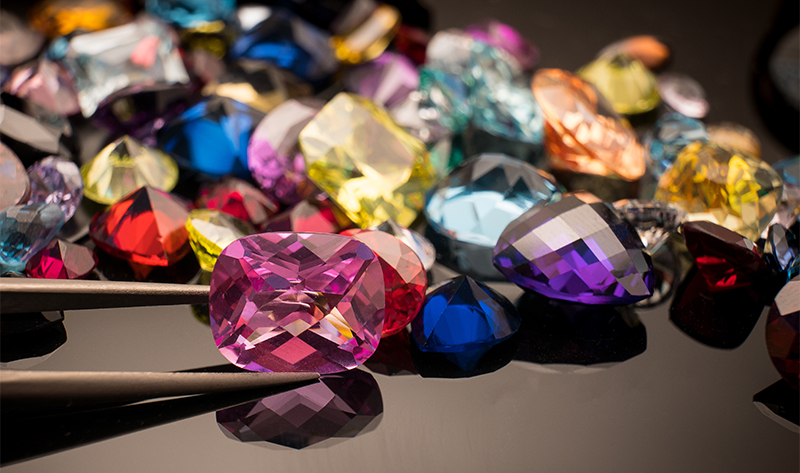
Gemstones are more than just decorative stones. Across civilizations, they have been admired as symbols of wealth, protection, spirituality, and emotional strength.
The meaning of gemstones often depends on their:
- Color and appearance
- Mineral composition
- Rarity and origin
- Cultural myths and beliefs
Historically, gemstones were worn by kings and warriors for power and protection. Today, gemstones continue to hold emotional value, especially in engagement rings, birthstone jewelry, and luxury designs.
If you want to learn how gemstones are professionally sourced and processed, read about our expertise as a trusted gemstone manufacturer in India.
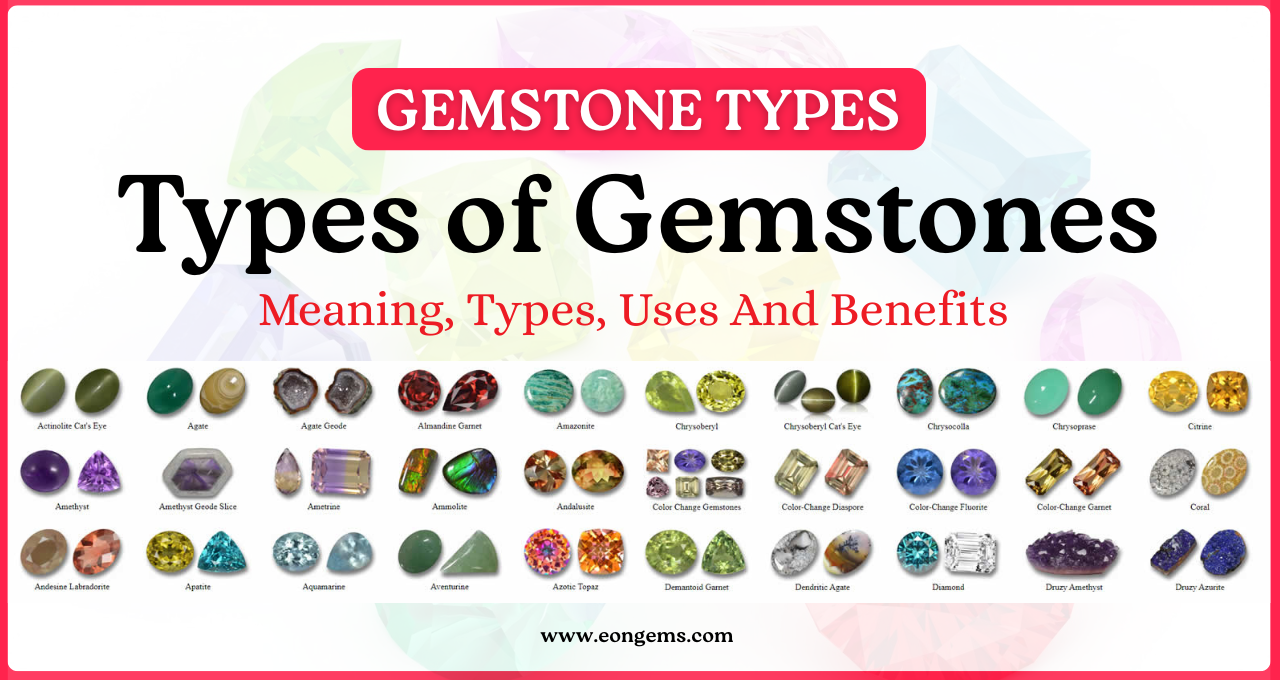
Types of Gemstones
The main types of gemstones are generally divided into two traditional categories:
- Precious gemstones
- Semi precious gemstones
Although these terms are widely used, modern jewelers also use the term colored gemstones, because many semi precious gemstones can be rarer and more valuable than certain precious stones depending on quality, origin, and demand.
For example, fine alexandrite and rare garnets can sometimes be worth more per carat than lower-grade diamonds.
You can also read about gemstone classification in detail in our guide on precious vs semi precious gemstones.
1. Precious Gemstones
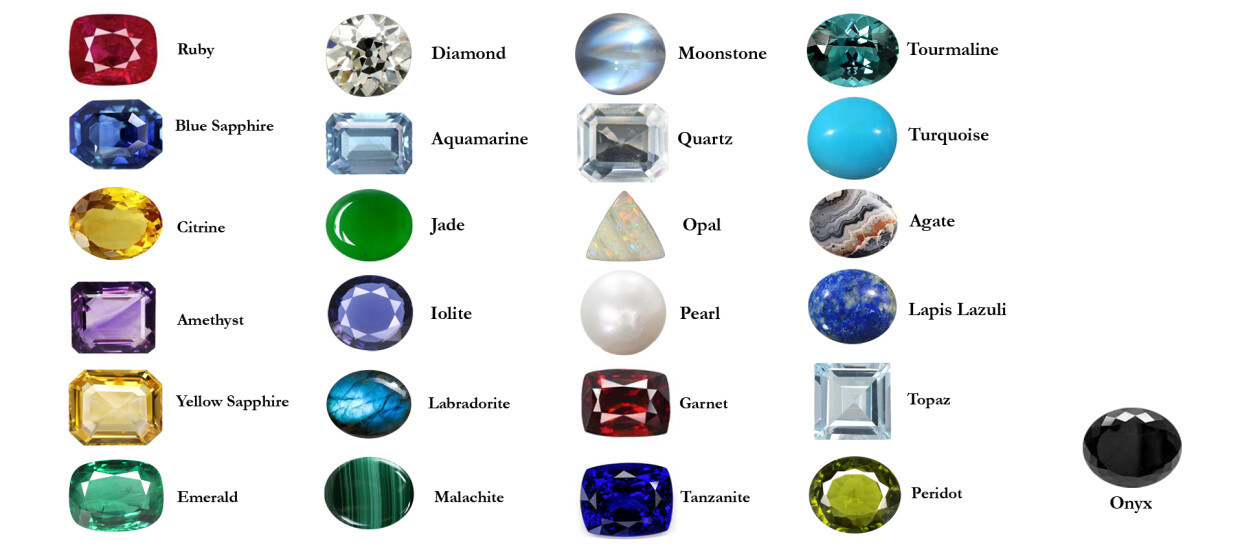
When people talk about the most well-known types of gemstones, precious gemstones are usually the first group that comes to mind. These stones are valued for their rarity, beauty, durability, and strong market demand.
Diamond
Diamond is one of the most famous types of gemstones in the world. It is known for unmatched hardness, brilliance, and timeless appeal.
Key features include:
- Hardness: 10 on the Mohs scale
- Color: Usually colorless, but also found in fancy colors
- Symbolism: Love, eternity, purity, strength
- Uses: Engagement rings, fine jewelry, industrial cutting tools
To understand authenticity, explore our comparison of natural diamonds vs lab grown diamonds.
Emerald
Emerald is prized for its rich green color and luxurious appearance. It has long been associated with royalty and elegance.
- Color: Vibrant green
- Hardness: 7.5-8 (Mohs scale)
- Symbolism: Rebirth, love, growth
- Source: Colombia is the world’s leading producer, with mines in Zambia, Ethiopia, Russia, Brazil, and the USA.
Ruby
Ruby is one of the most desirable types of gemstones because of its fiery red color and strong symbolism.
- Color: Fiery red
- Hardness: 9 (Mohs scale)
- Symbolism: Passion, power, protection
- Source: Myanmar (Burma) is historically known for the finest rubies. Other sources include Thailand, Sri Lanka, Madagascar, and Mozambique.
Sapphire
Sapphire is best known for its blue color, but it is available in many shades except red, because red corundum is classified as ruby.
- Color: Blue (various shades), also found in other colors except red (which is ruby)
- Hardness: 9 (Mohs scale)
- Symbolism: Wisdom, truth, faith
- Source: Sri Lanka is a major source for high-quality blue sapphires. Other sources include Kashmir, Thailand, Madagascar, Australia, and the USA.
Also, Read: Select A Perfect Jewellery Manufacturer
2. Semi-Precious Gemstones
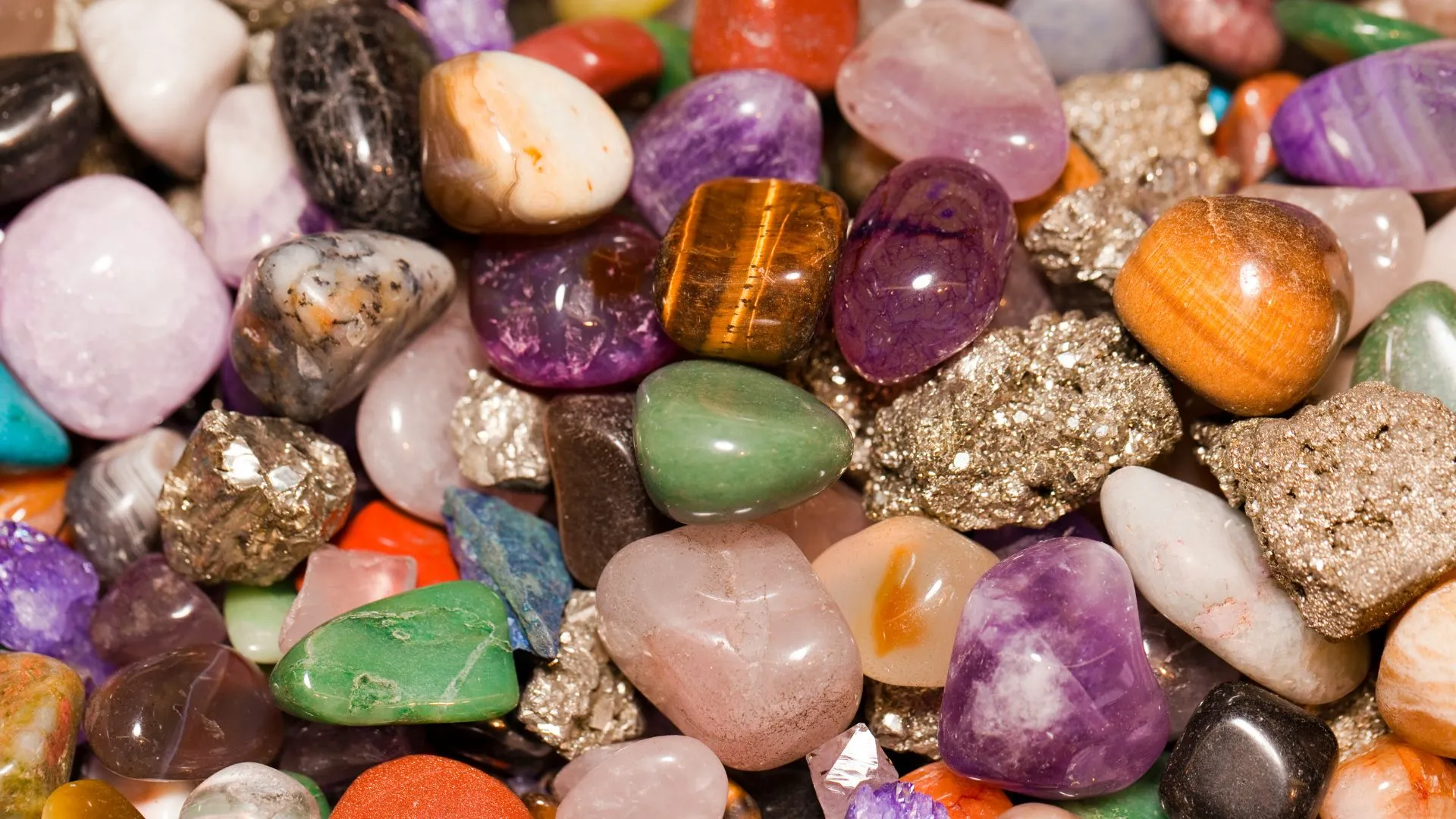
Semi precious gemstones form a broad and colorful category. These types of gemstones offer exceptional beauty, variety, and affordability. Some are widely available, while others are very rare and highly valuable.
Alexandrite: The Color-Changing Chameleon
Alexandrite is one of the rarest and most fascinating types of gemstones because of its color-changing effect.
Key features of alexandrite:
- Color: Green in daylight, reddish-purple under warm light
- Hardness: 8.5 on the Mohs scale
- Symbolism: Balance, transformation, luck
- Major sources: Russia, Sri Lanka, Brazil, Madagascar, USA
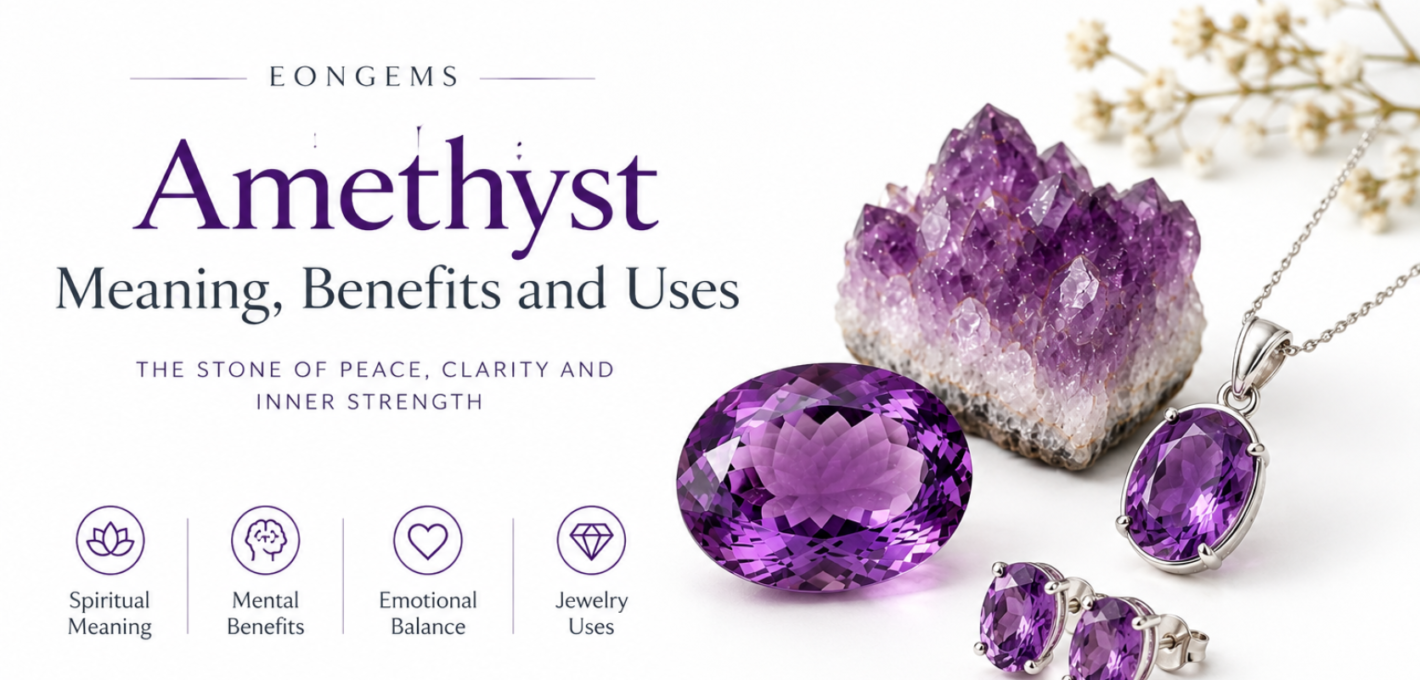
Amethyst: The Gemstone of Tranquility
Amethyst is a popular purple quartz gemstone admired for its beauty and affordability.
Key features of amethyst:
- Color: Light lavender to deep purple
- Hardness: 7 on the Mohs scale
- Symbolism: Peace, clarity, spirituality
- Major sources: Brazil, Uruguay, Sri Lanka, South Africa, North America
Citrine: The Sunny Gemstone of Success
Citrine is known for its warm yellow to golden tones and cheerful appearance.
Key features of citrine:
- Color: Yellow to amber
- Hardness: 7 on the Mohs scale
- Symbolism: Positivity, success, abundance
- Major sources: Brazil, Madagascar, Argentina, Russia, Scotland
Also, Read: Birthstones by Month
Garnet: The Family of Gemstone Treasures
Garnet is not just one stone but a family of gemstones available in many colors.
Key features of garnet:
- Color: Red, green, orange, yellow, brown, black
- Hardness: 6.5 to 7.5 on the Mohs scale
- Symbolism: Love, passion, energy, protection
- Major sources: India, Sri Lanka, South Africa, Myanmar, USA
Iolite: The Viking’s Compass Gem
Iolite is a beautiful blue-violet gemstone with an interesting place in history.
Key features of iolite:
- Color: Violet-blue, gray-blue, yellow-white
- Hardness: 7 to 7.5 on the Mohs scale
- Symbolism: Vision, direction, intuition
- Major sources: India, Sri Lanka, Mozambique, Zimbabwe, Brazil
Iolite is often called the Viking’s compass stone because thin slices may have been used as a navigation aid.
Onyx: The Classic Black Beauty
Onyx is a classic gemstone known for its bold and elegant look.
Key features of onyx:
- Color: Black, white, banded black and white, reddish-brown
- Hardness: 6.5 to 7 on the Mohs scale
- Symbolism: Protection, grounding, inner strength
- Composition: Variety of chalcedony
- Historical use: Jewelry, carvings, decorative objects
Opal: The Playful Rainbow Gemstone
Opal is one of the most visually unique types of gemstones because of its play of color.
Key features of opal:
- Color: White, black, gray, orange, yellow, red with flashes of many colors
- Hardness: 5 to 6.5 on the Mohs scale
- Symbolism: Creativity, hope, imagination
- Major sources: Australia, Mexico, Brazil, USA
Aquamarine: The Gemstone of the Tranquil Sea
Aquamarine is admired for its clear blue tones that resemble the sea.
Key features of aquamarine:
- Color: Light blue to deep blue
- Hardness: 7.5 to 8 on the Mohs scale
- Symbolism: Calmness, purity, happiness
- Major sources: Brazil, Madagascar, Russia, Afghanistan, USA
Topaz: The Fiery Gemstone of November
Topaz is available in several colors and is loved for its brightness and durability.
Key features of topaz:
- Color: Blue, yellow, orange, pink, red, colorless
- Hardness: 8 on the Mohs scale
- Symbolism: Strength, love, confidence
- Major sources: Brazil, Sri Lanka, Myanmar, Nigeria, USA
Tourmaline: The Rainbow Gemstone
Tourmaline is among the most versatile types of gemstones because it appears in a huge range of colors.
Key features of tourmaline:
- Color: Black, pink, green, blue, red, yellow, multicolored
- Hardness: 7 to 7.5 on the Mohs scale
- Symbolism: Protection, compassion, vitality, prosperity
- Major sources: Brazil, Afghanistan, Mozambique, Namibia, Sri Lanka, USA
Some tourmalines also display pleochroism, meaning they can show different colors from different angles.
Pearl: The Organic Gemstone from the Sea
Pearl is different from most gemstones because it is organic rather than mineral-based.
Key features of pearl:
- Color: White, cream, pink, black, gold, lavender, metallic hues
- Hardness: 2.5 to 4.5 on the Mohs scale
- Symbolism: Purity, wisdom, elegance
- Formation: Produced inside oysters and mollusks
- Major sources: Japan, China, Australia, French Polynesia, Persian Gulf region
Peridot: The Gemstone of Birthstones
Peridot is known for its fresh green color and distinct glow.
Key features of peridot:
- Color: Yellow-green to olive green
- Hardness: 6.5 to 7 on the Mohs scale
- Symbolism: Good fortune, renewal, positivity
- Major sources: USA, Egypt, Sri Lanka, South Africa, Mexico, Australia
Tanzanite: The Rare Beauty from Tanzania
Tanzanite is a rare and highly sought-after gemstone found in only one primary location.
Key features of tanzanite:
- Color: Blue to violet-blue
- Hardness: 6 to 7 on the Mohs scale
- Symbolism: Transformation, sophistication, spiritual insight
- Major source: Merelani Hills, Tanzania
Other Popular Types of Gemstones
Besides the categories above, many buyers also search for these popular types of gemstones:
- Spinel
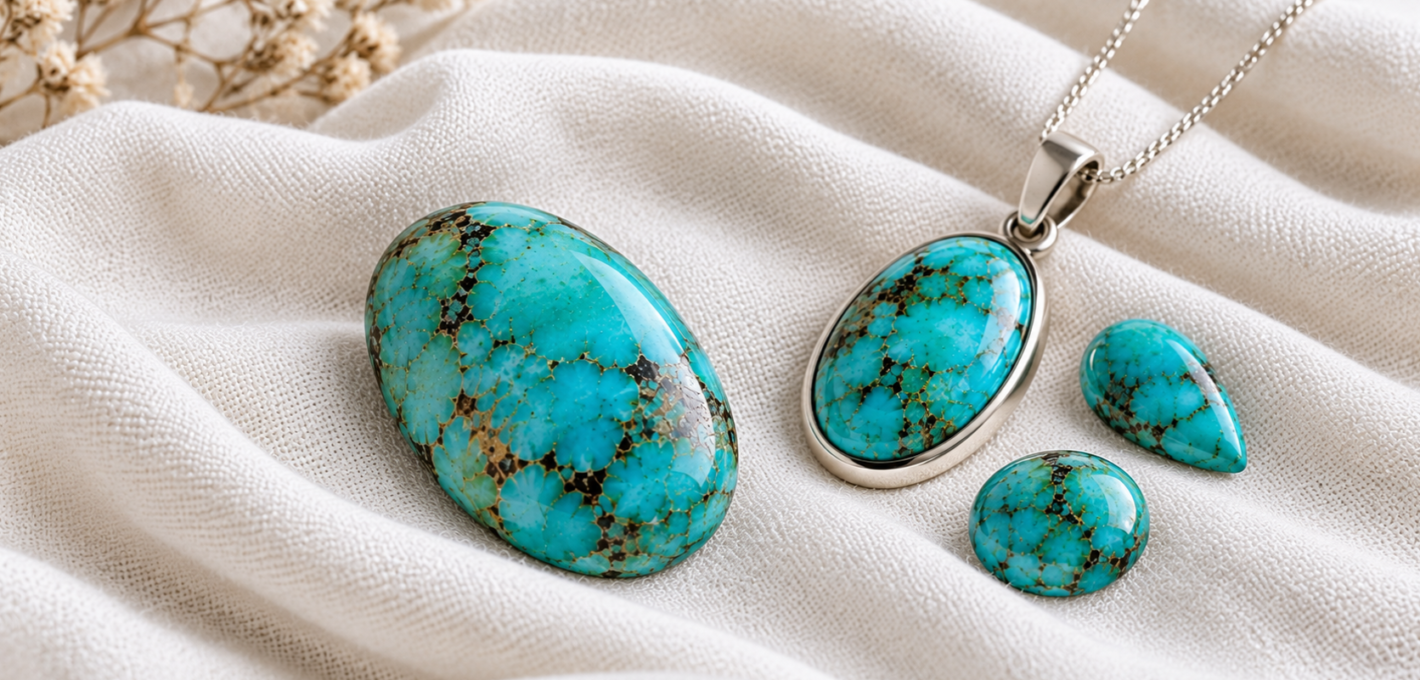
- Turquoise
- Moonstone
- Lapis Lazuli
- Zircon
- Morganite
- Kunzite
- Jade
- Coral
- Chalcedony
Adding these gemstone varieties to your catalog or jewelry collection can offer broader design options and price points.
How Gemstones Are Classified
The types of gemstones can also be classified in other ways besides precious and semi precious:
By Origin
- Natural gemstones
- Synthetic gemstones
- Treated gemstones
- Imitation gemstones
By Composition
- Mineral gemstones
- Organic gemstones, such as pearl, coral, and amber
By Color
- Red gemstones
- Green gemstones
- Blue gemstones
- Black gemstones
- Yellow gemstones
- Pink gemstones
By Use
- Jewelry gemstones
- Collector gemstones
- Industrial gemstones
This broader classification is useful for manufacturers, wholesalers, designers, and buyers who want to compare quality, rarity, and market value.
Uses of Gemstones
Gemstones have a wide range of uses beyond their aesthetic appeal. They are used in various forms of jewelry, from rings and necklaces to bracelets and earrings, making them a staple in the fashion industry. Additionally, gemstones are employed in industrial applications due to their hardness and durability. For example, diamonds are used in cutting tools and drilling equipment.
In the realm of spirituality and alternative medicine, gemstones are often used in healing practices. Crystal healing, a form of alternative therapy, involves using gemstones to balance the body’s energy fields and promote physical, emotional, and spiritual healing. Each gemstone is believed to possess specific healing properties, making them a popular choice for those seeking holistic wellness.
How to Choose the Right Type of Gemstone
Choosing the best gemstone depends on your purpose, budget, and design preference. Consider these factors before buying:
- Color: Choose a gemstone color that matches your style or collection
- Hardness: Harder gemstones are better for daily wear
- Rarity: Rare stones usually command higher prices
- Symbolism: Many buyers prefer gemstones with personal or cultural meaning
- Budget: Semi precious gemstones often provide excellent value
- Use: Jewelry, gifting, healing, luxury retail, or custom manufacturing
If you are sourcing for your brand, it is important to work with a reliable supplier who understands grading, cutting, and quality control.
Benefits of Gemstones
The benefits of gemstones extend beyond their physical beauty. Here are some of the key advantages:
1. Emotional Healing: Gemstones are believed to have calming effects, reducing stress, anxiety, and emotional turmoil. For example, amethyst is known for its soothing properties, promoting tranquility and peace of mind.
2. Physical Healing: Certain gemstones are thought to possess physical healing properties. For instance, turquoise is believed to have anti-inflammatory effects and enhance the immune system.
3. Spiritual Growth: Gemstones are often used in meditation and spiritual practices to enhance spiritual awareness and growth. Sapphires, for example, are associated with wisdom and spiritual enlightenment.
4. Enhanced Focus and Clarity: Gemstones like diamonds are believed to improve mental clarity and focus, helping individuals make clear and informed decisions.
5. Protection: Many gemstones are thought to offer protective properties, shielding the wearer from negative energies and harm. Rubies, for instance, are known for their protective qualities.
6. Attracting Good Fortune: Gemstones are often associated with luck and prosperity. Topaz, for example, is believed to attract wealth and good fortune.
Frequently Asked Questions About Types of Gemstones
Diamonds, sapphires, and rubies are excellent for everyday wear because of their high hardness.
Not always. Stones like alexandrite and fine opals can be rarer and more expensive than some diamonds.
Painite and alexandrite are considered among the rarest gemstones globally.
Real gemstones often have natural inclusions, higher hardness, and certification from trusted labs.
No. Diamonds are widely used in industrial cutting tools, and gemstones are also used in spiritual practices.
Colored gemstones refer to all gemstones except diamonds, including rubies, emeralds, sapphires, and semi precious stones.
While not scientifically proven, many cultures believe gemstones support emotional balance and spiritual wellness.
Jaipur is a global hub for gemstone cutting, carving, and jewelry manufacturing with centuries of craftsmanship.
Conclusion
By understanding the meaning, uses, benefits and types of gemstones, we can appreciate their significance and incorporate their beauty and positive energies into our lives. Whether you are a jewelry enthusiast, a collector, or someone seeking holistic healing, gemstones offer a world of wonder and possibilities.
At Eongems, we are equipped with everything that is required for a sustainable jewelry supply chain. You can count on us as your trusted jewelry manufacturing support for everything that is needed for your brand to flourish. We hope that you enjoy the article and if so please let us know what next topic you want us to write.
For beautiful gemstones and expert craftsmanship, get in touch with Eongems, a perfect gemstone manufacturing company in Jaipur. Call us at +91-8769104410 or email gaurav@eongems.com to explore our stunning collection.