How do successful jewelry brands make pearl collections look consistent, elegant, and premium across every piece?
That question matters more than ever because pearl jewelry is no longer limited to traditional designs or occasional wear. Today, brands are using pearls in fashion led collections, modern bridal edits, minimal everyday jewelry, and premium statement pieces. But behind that polished final look is a manufacturing process that requires precision, planning, and a deep understanding of matching, grading, design balance, and production quality.
Pearl Jewelry Manufacturing is not just about assembling beautiful pearls into necklaces or earrings. It is about creating a collection where pieces feel visually aligned, commercially viable, and true to the brand’s identity. When customers browse a pearl collection, they expect harmony. They want the shape, tone, luster, size, and overall presentation to feel deliberate and refined. That level of consistency does not happen by chance. It comes from careful sourcing, the right pearl matching process, skilled craftsmanship, and an experienced manufacturing partner.
For modern jewelry brands, consistency is especially important because customers compare products closely. A mismatched collection can weaken premium perception, while a well executed line can strengthen trust and brand value. This is why brands investing in pearls need more than good design ideas. They need a reliable system for production. If you are exploring specialist support, working with a dedicated pearls jewellery manufacturer can make a major difference in quality and consistency.
Why Pearl Jewelry Manufacturing Requires Extra Precision
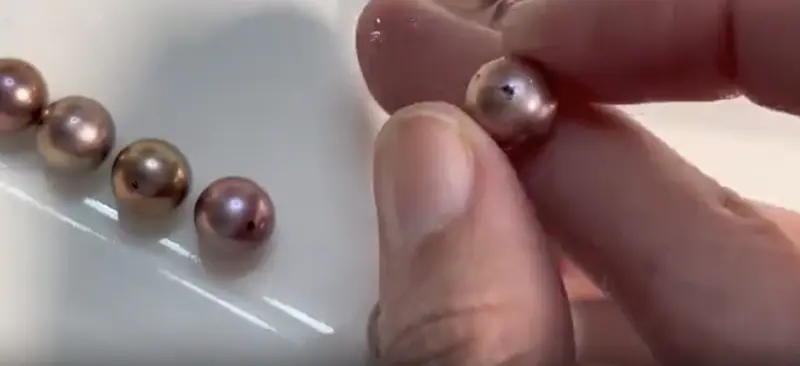
Pearls are very different from many other jewelry components. Unlike highly standardized metal findings or machine cut stones, pearls naturally vary in shape, size, luster, overtone, and surface quality. That natural beauty is part of their appeal, but it also creates a manufacturing challenge. If the collection is not matched carefully, pieces can look uneven or disconnected.
This is why Pearl Jewelry Manufacturing demands a more controlled approach than many other jewelry categories. Every pearl has to be evaluated not only as an individual element, but also as part of a broader collection. Brands do not just need beautiful pearls. They need pearls that work together visually across earrings, pendants, bracelets, rings, and coordinated sets.
That is where consistency starts. The right manufacturer helps brands create structure around what could otherwise become a highly variable material category. The process includes pearl selection, pearl matching, design planning, mounting accuracy, quality control, and final finishing.
Why pearl collections are harder to standardize
- Pearls naturally vary in shape and surface texture
- Luster and overtone can differ from piece to piece
- Size matching affects collection harmony
- Drilling and setting require careful handling
- Visual consistency matters strongly in premium pearl designs
What Pearl Jewelry Manufacturing Means for Modern Brands
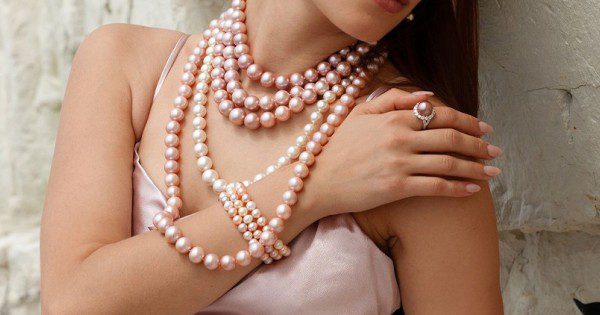
For jewelry brands, Pearl Jewelry Manufacturing is not only about production. It is also about brand positioning. Pearls can be classic, modern, minimal, bold, bridal, or fashion driven depending on how they are designed and presented. That makes them incredibly versatile, but it also means the manufacturing process must support the intended look of the brand.
A modern label may want clean pearl studs, baroque pearl pendants, mixed metal pearl rings, or layered pearl necklaces that feel contemporary rather than traditional. Another brand may want structured bridal sets or timeless fine looking basics. In both cases, the manufacturer must understand the visual language of the collection and produce pieces that feel cohesive.
This is why brands often combine design direction with production planning early. Understanding broader style movement also helps. Articles such as latest trends in jewellery design can support product teams when they are deciding how pearl jewelry should evolve for today’s customer.
The Pearl Matching Process Is the Core of Consistency
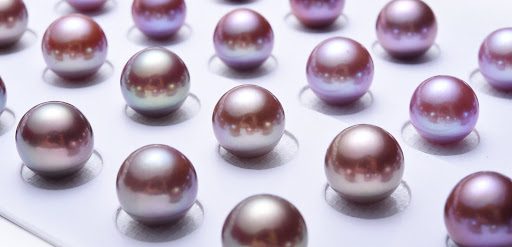
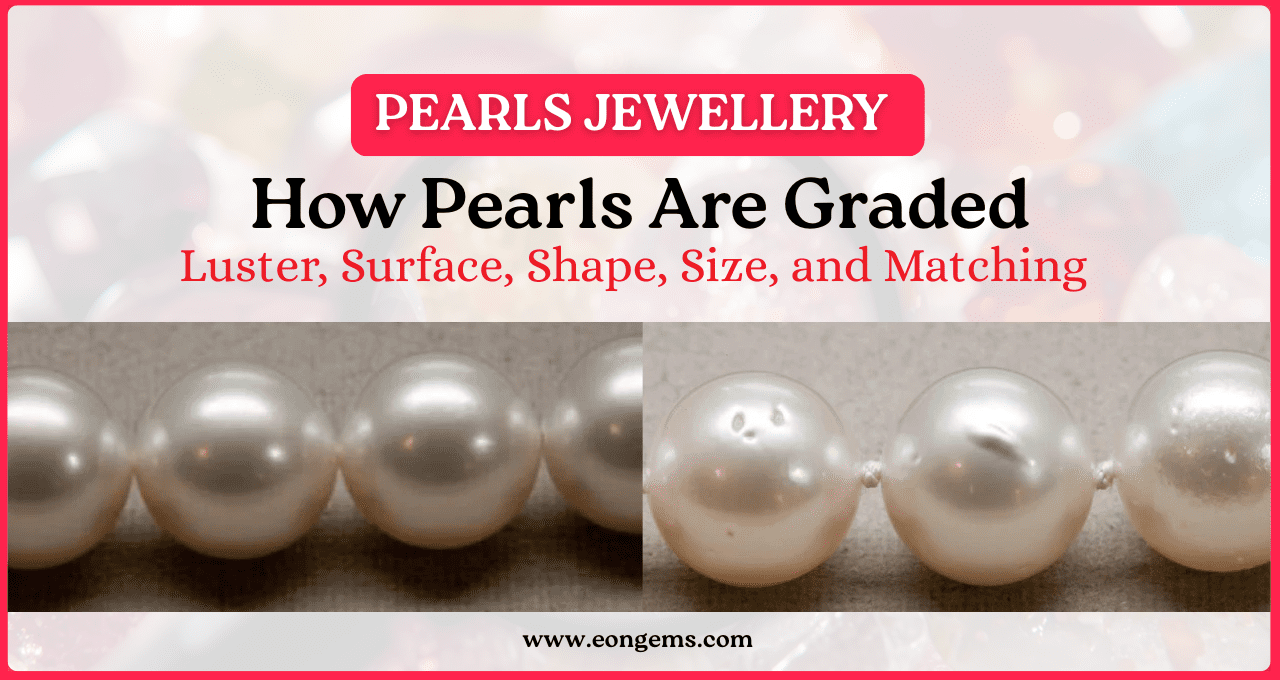
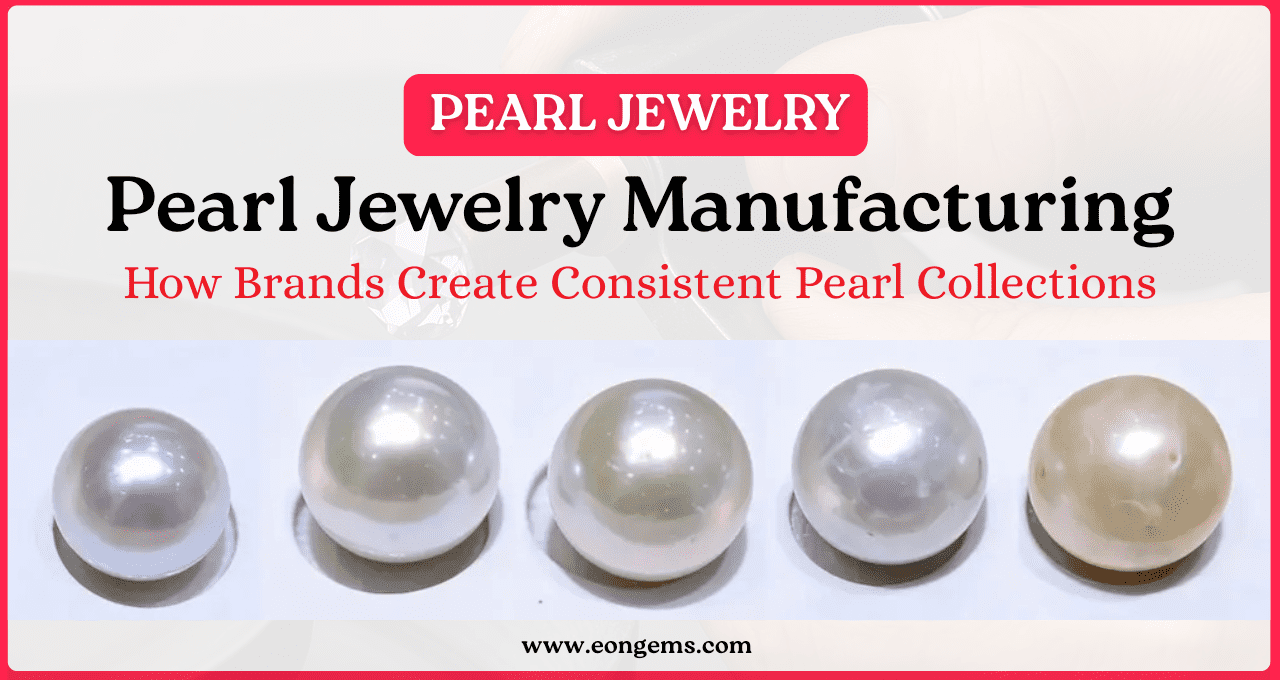
The pearl matching process is one of the most important parts of creating a strong collection. It is the stage where pearls are sorted and grouped according to shared visual characteristics. Without this step, even well made jewelry can feel inconsistent.
In manufacturing, matching involves more than size alone. Pearls are evaluated based on diameter, shape, luster, surface quality, color tone, overtone, nacre appearance, and how they look together under light. This process is especially critical in earrings, strands, symmetrical sets, and coordinated collections where customers expect visible balance.
For brands, this step affects perceived quality more than many realize. A pair of earrings can look premium or poorly selected based on matching alone. A necklace can feel luxurious or uneven depending on how consistently the pearls flow together. That is why manufacturers with real pearl handling experience create strict internal standards around pearl grouping.
What is usually considered in the pearl matching process
- Pearl size and diameter consistency
- Shape similarity across selected pearls
- Luster strength and reflective quality
- Color tone and overtone balance
- Surface cleanliness and visible markings
- Pairing logic for sets and repeated designs
Freshwater and Saltwater Choices Affect the Final Collection
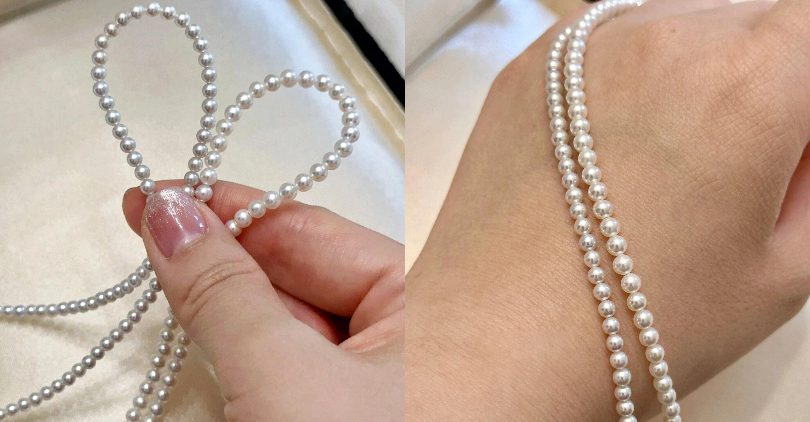
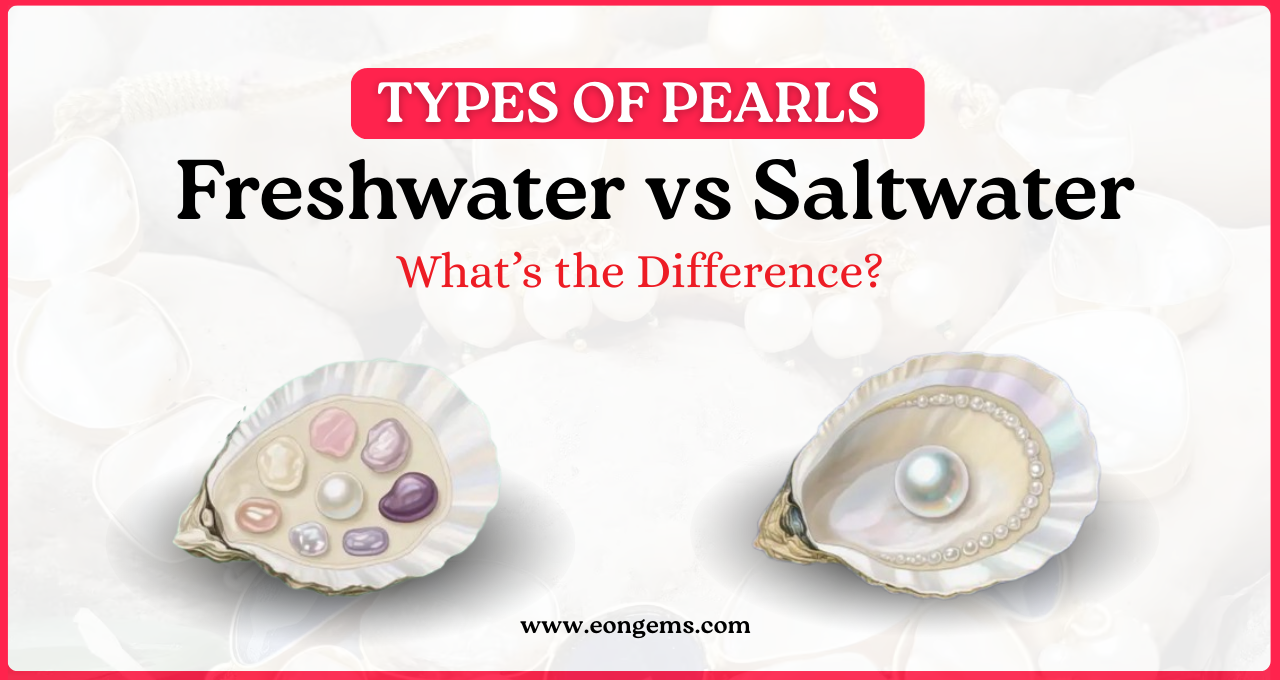
A consistent pearl collection begins with choosing the right type of pearl. The decision between freshwater and saltwater pearls can influence price point, style direction, customer expectation, and manufacturing flow. Each option has its own strengths, and the best choice depends on the brand’s goals.
Freshwater pearls are often chosen for broader design flexibility and accessible luxury collections. They are popular in fashion forward jewelry, everyday lines, and experimental silhouettes. Saltwater pearls are often associated with a more classic premium look and may be used in more formal or traditional collections.
Understanding the difference helps brands plan more effectively. If the team is still evaluating pearl categories, this comparison of freshwater vs saltwater pearls can be helpful when deciding which direction supports the collection best.
How Brands Build Custom Pearl Jewelry Collections
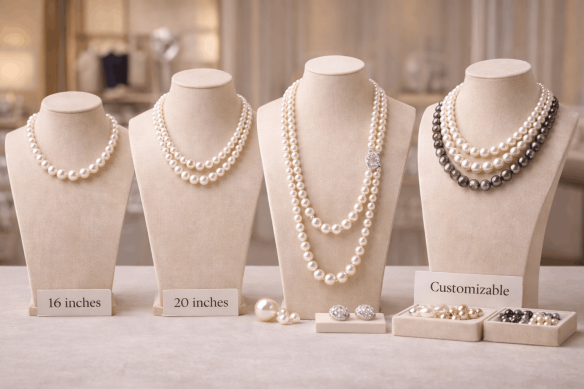
Custom pearl jewelry is growing because brands want signature collections that stand apart from mass market designs. Instead of selling generic pearl studs or simple strands, many labels now want pearl pieces that reflect their own identity through design, metal finish, gemstone pairing, setting style, or composition.
This is where custom manufacturing becomes valuable. A brand may want asymmetrical pearls in a modern silhouette, bridal pearl drops with gold accents, minimal ring designs with a single focal pearl, or statement necklaces with structured spacing and mixed textures. To achieve this, the manufacturer needs to guide both aesthetics and practicality.
Custom pearl jewelry also demands technical judgment. Pearl size affects comfort and balance. Drill placement affects symmetry. Metal structure affects how secure and wearable the piece feels. The right production partner helps refine these details before full manufacturing begins. Brands that need this kind of support often benefit from reviewing the broader jewelry manufacturing process so design and production expectations stay aligned.
Why custom pearl jewelry is attractive for brands
- It creates stronger product differentiation
- It helps build a more recognizable signature style
- It supports premium storytelling and gifting appeal
- It allows better alignment with trend direction
- It gives brands more control over collection identity
Why Jaipur Matters in Pearl Jewelry Manufacturing
Jaipur has long been known for jewelry craftsmanship, gemstone work, and manufacturing expertise. For brands searching for a pearls jewelry manufacturer Jaipur continues to stand out because of its deep artisan culture, material knowledge, and strong jewelry production ecosystem. This matters because pearl collections often involve coordination between design, metal work, finishing, and in some cases gemstone accents or mixed material detailing.
A manufacturer based in Jaipur can often provide the benefit of both traditional craftsmanship and scalable production support. That combination is helpful for brands that want elegant pearl pieces with reliable repeatability. It is also one reason why many jewelry businesses source from Jaipur when building collections intended for domestic and global markets.
The value is not just location based. It is about access to an experienced manufacturing network, skilled labor, and category specific production knowledge. For brands considering different sourcing regions, choosing the right manufacturing base can affect both quality and long term growth.
Consistency in Wholesale Pearl Jewelry Matters for Brand Growth
For brands selling at scale, wholesale pearl jewelry brings another level of complexity. The challenge is no longer making a few beautiful pieces. It is producing larger quantities while maintaining the same look, finish, and quality across repeated units. This is where many collections succeed or fail.
Wholesale consistency affects ecommerce performance, retailer trust, customer reviews, and repeat ordering. If one batch looks brighter, larger, smoother, or more refined than another, it creates confusion and damages confidence. Since pearl jewelry often relies on visual elegance, inconsistency becomes noticeable very quickly.
This is why wholesale pearl jewelry production requires solid systems. Manufacturers need sourcing discipline, matching standards, controlled assembly methods, and dependable quality checks. Brands looking to scale into larger sales channels or resale models often also benefit from understanding commercial supply logic through resources like buy wholesale jewelry for resale.
What brands need in wholesale pearl jewelry manufacturing
- Consistent sourcing standards
- Reliable matching across batches
- Clear sampling and approval stages
- Strong finishing and inspection systems
- Packaging quality that supports premium perception
Design Planning Helps Create Collection Harmony
A pearl collection should feel like a family of products, not a random mix of separate items. That is why design planning is essential in Pearl Jewelry Manufacturing. Before production begins, brands need to think about shape language, pearl size range, metal color, clasp details, setting style, and how the pieces connect visually.
A strong collection often includes variation without losing identity. For example, a brand may use similar pearl tones across a ring, pendant, bracelet, and drop earring while changing form and scale. Or it may build a modern line around baroque pearls with consistent metal finish and minimalist construction. The manufacturer must understand these visual relationships and carry them through production.
Design planning also helps when the brand wants to insert pearls into a broader product strategy. Pearls may sit beside gemstone jewelry, bridal pieces, or seasonal collections. That means the pearl line should complement the rest of the brand rather than feel isolated.
Quality Control in Pearl Jewelry Manufacturing
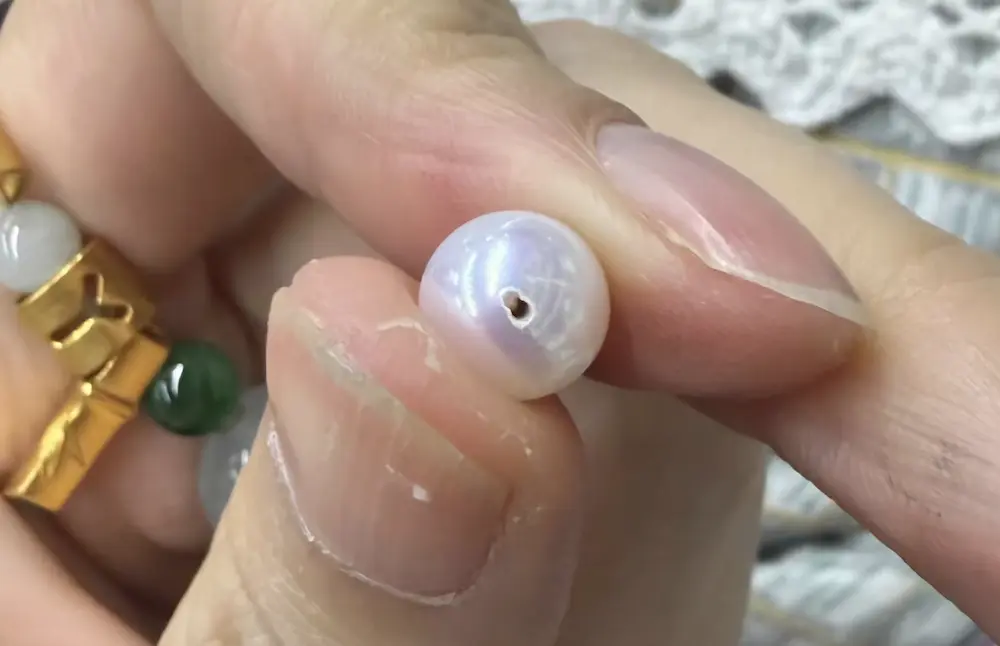
Quality control is especially important in pearl production because pearls are sensitive materials. Scratches, poor drilling, weak adhesive work, loose mounting, and careless handling can all reduce the final quality of the piece. For brands, this is a major concern because pearl buyers often expect a refined and polished experience.
A good manufacturer builds quality checks into every stage. Pearl sorting, drilling accuracy, setting security, metal finishing, clasp testing, and final cleaning all matter. Consistency is not only visual. It is also structural. A collection that looks beautiful but performs poorly in wear will not build long term trust.
Care education also plays a role. Since pearl jewelry needs appropriate maintenance, brands can strengthen the customer experience by offering guidance after purchase. This is where related resources like clean and care for your jewelry can support the overall journey from manufacturing to customer satisfaction.
Common quality checks in pearl jewelry production
- Visual sorting for matching and surface quality
- Secure drilling and setting assessment
- Metal finish inspection
- Clasp and closure testing
- Final polish and presentation check
How the Right Manufacturer Solves the Consistency Challenge
The biggest difference between average and excellent Pearl Jewelry Manufacturing usually comes down to the manufacturer. The right partner brings process, not guesswork. They understand pearls as a category, not just as decorative components. They know how to source properly, match intelligently, produce accurately, and maintain a collection standard over time.
This is especially important for brands creating repeat collections or expanding into multiple product lines. Once a brand finds a capable manufacturer, it becomes much easier to build coordinated pearl edits, restock top sellers, and scale with confidence. A strong manufacturer can support both custom pearl jewelry development and more structured wholesale pearl jewelry production.
For that reason, the manufacturer should be viewed as part of the brand’s long term strategy. The better the alignment, the stronger the product consistency, launch performance, and customer trust.
FAQs About Pearl Jewelry Manufacturing
Pearl manufacturing requires more attention to matching, drilling, handling, and visual consistency because pearls naturally vary in shape, size, luster, and surface quality.
The pearl matching process ensures that pearls look balanced together in pairs, sets, strands, and full collections. It strongly affects how premium and cohesive the final jewelry appears.
Yes, custom pearl jewelry can be developed in many styles, including minimal, bridal, statement, and fashion forward collections. The right manufacturer helps refine the design for both beauty and wearability.
Yes, Jaipur is widely recognized for jewelry craftsmanship and manufacturing expertise. Many brands look for a pearls jewelry manufacturer Jaipur because of the city’s strong artisan and production ecosystem.
Brands should check pearl consistency, matching standards, metal quality, finishing, closure strength, and the manufacturer’s ability to maintain the same look across larger batches.
Not necessarily better, but different. Freshwater pearls are often more flexible for a wider range of designs and price points, while saltwater pearls may suit more classic premium collections.
They define clear standards for pearl size, shape, luster, tone, and finishing, then work with a manufacturer who can apply those standards throughout sourcing and production.
Yes, pearls can work very well for both. The key is having a manufacturer who can support small custom development as well as consistent wholesale pearl jewelry production when the brand scales.
Conclusion
Pearl Jewelry Manufacturing is about much more than placing pearls into jewelry settings. It is a careful process that combines sourcing, pearl matching, design consistency, craftsmanship, and quality control to create collections that feel polished and intentional. For modern brands, that consistency is essential because customers notice detail, and premium perception depends on visual harmony.
As demand grows for elegant, wearable, and fashion relevant pearl jewelry, brands need manufacturing partners who can maintain standards across both custom and wholesale production. From the pearl matching process to final finishing, every stage matters. The brands that succeed are usually the ones that treat pearl manufacturing as a precision driven part of their identity, not just a supply step.
If you are planning a pearl collection and want professional support, explore Eon Gems’ pearls jewellery manufacturer page to learn more about their capabilities, or get in touch through the contact us page to discuss your pearl jewelry project and production requirements.