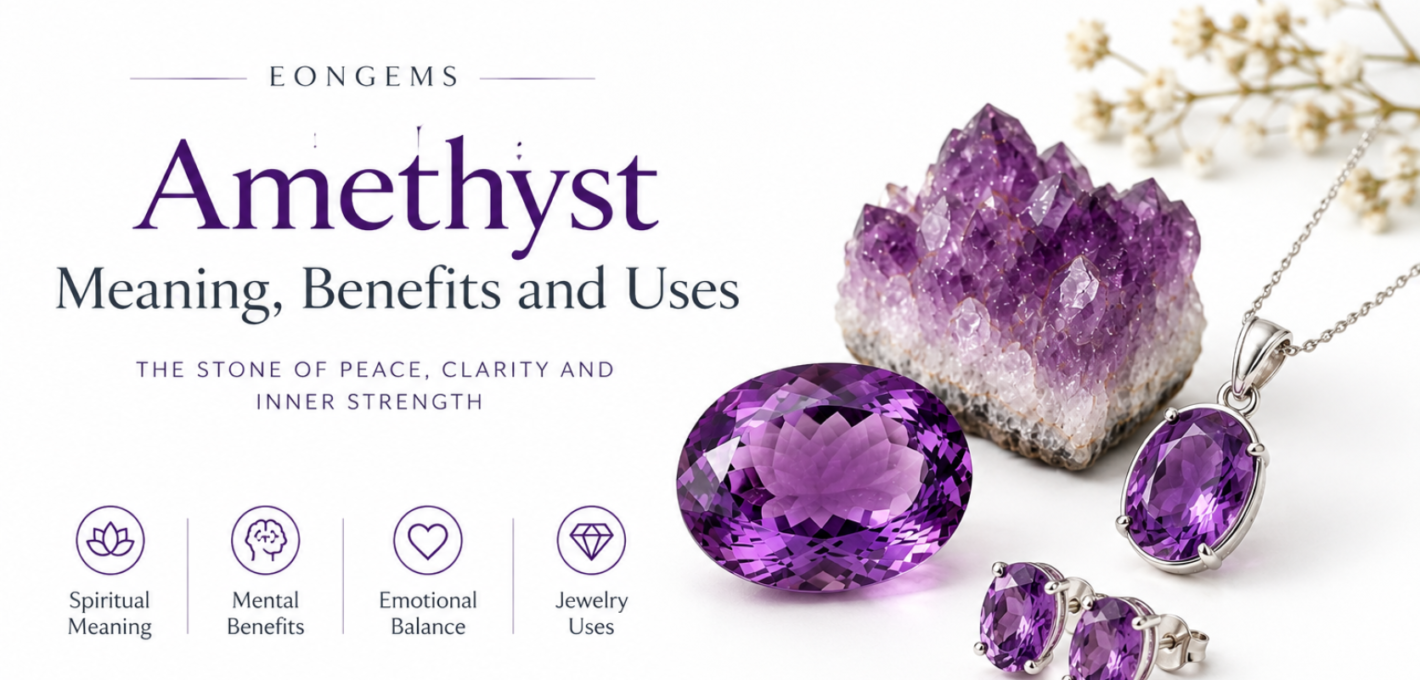
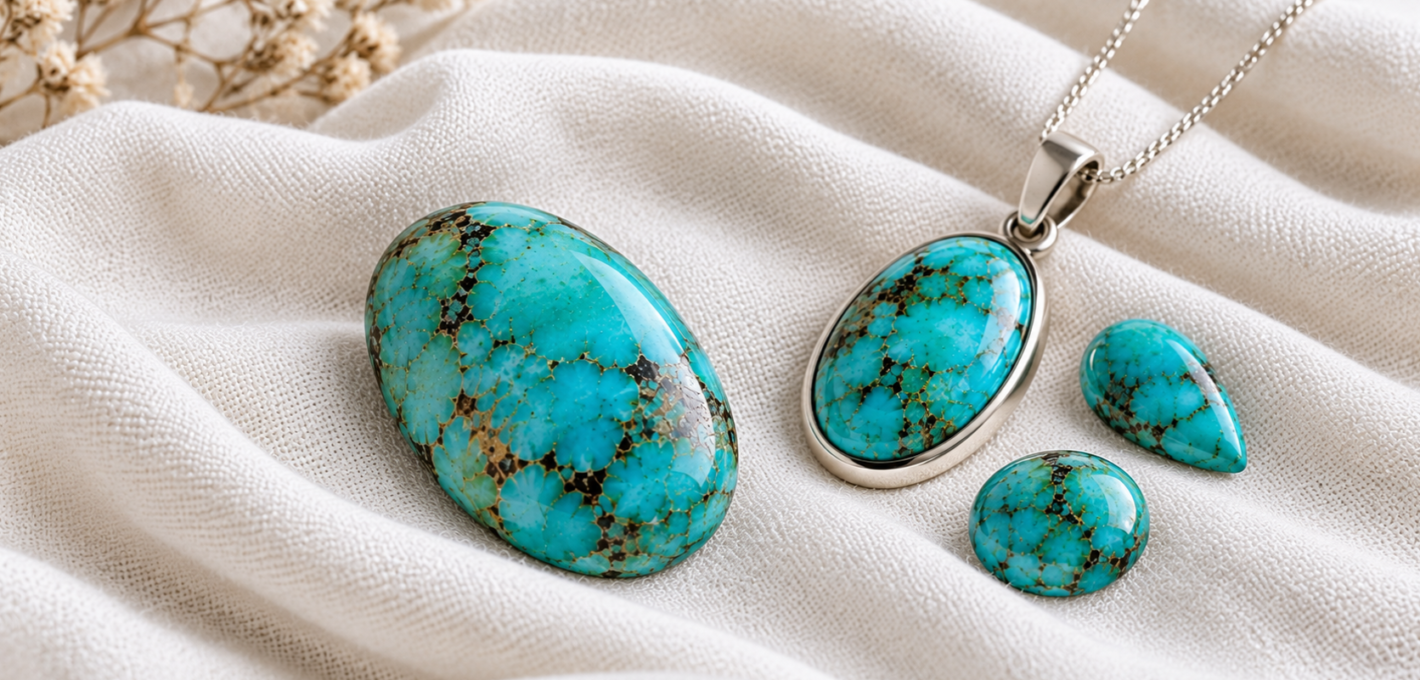
The cut of a gemstone transforms raw material into something extraordinary. Moreover, it is the factor that most buyers and even many brand owners understand least. According to the GIA Gem Encyclopedia, cut quality directly determines how well a gemstone handles light — and therefore how beautiful the finished piece appears.
At Eon Gems, we are Jaipur-based gemstone jewelry manufacturers with 36+ years of experience sourcing and setting natural and lab-grown gemstones across every cut style. Consequently, this guide covers every major gemstone cut, what each does to light and appearance, and how cut choice shapes jewelry design decisions.
Why Gemstone Cuts Matter for Jewelry Design
Before exploring specific cuts, understanding what cut actually does to a gemstone is essential — because the impact goes far beyond shape.
Light performance: The angles, proportions, and facet arrangement determine how light enters, reflects within, and exits the stone. Furthermore, a well-cut stone returns light as brilliance, fire, and scintillation. A poorly cut stone, however, allows light to escape through the bottom — producing a lifeless appearance regardless of color quality.
Color display: Cut affects how color appears. Deeper cuts concentrate and intensify color — valuable for lighter stones. Shallower cuts, on the other hand, spread color more evenly — better for highly saturated stones.
Size appearance: Different cuts of the same carat weight appear different sizes face-up. Elongated cuts — oval, marquise, pear — appear larger than round cuts of equivalent weight. Therefore, cut affects both visual impact and price-per-perceived-size.
Setting compatibility: Cut determines which settings work. Round stones fit standard prong settings. Freeform cabochons, however, require custom or bezel settings. Cut is therefore a fundamental design decision.
Style associations: Different cuts carry different aesthetic associations — some feel classic and timeless, others feel modern and architectural, others feel artisan and organic. Cut is one of the primary tools designers use to establish a collection’s visual identity.
Part 1 — Faceted Cuts
Faceted cuts have flat, polished surfaces arranged to maximize light reflection and refraction. They work primarily for transparent to translucent gemstones where brilliance and fire are the design goals.
Round Brilliant Cut
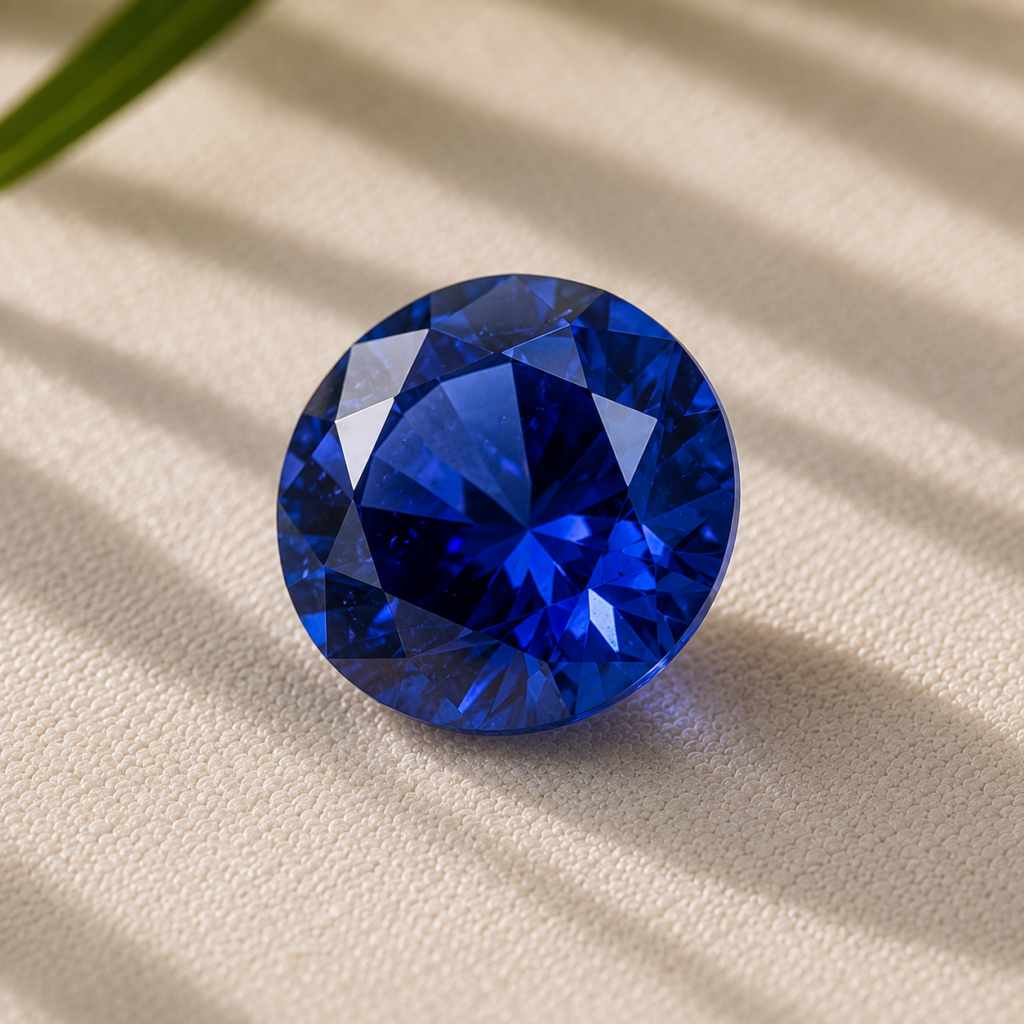
The round brilliant cut is the most mathematically optimized gemstone cut in existence. Developed in the early 20th century, it maximizes light return through precise facet angles and proportions. A standard round brilliant has 57 or 58 facets.
Light performance: The highest brilliance of any cut when proportioned correctly. The round brilliant’s symmetrical geometry allows maximum light return in all directions.
Design impact: The round brilliant is the most versatile and universally flattering cut in jewelry design. It works in every setting style, every metal, and every jewelry category. Additionally, its circular silhouette fits naturally into both classic and contemporary designs.
Best for: Solitaire rings, stud earrings, pavé settings, halo designs, and any application where maximum brilliance is the primary goal.
Common gemstones: Diamond, moissanite, sapphire, ruby, spinel, tourmaline, garnet, amethyst, citrine.
At Eon Gems, round brilliant cut stones are our most consistently requested cut for custom gemstone jewelry manufacturing — available across hundreds of stone varieties in standard calibrated sizes.
Oval Cut
The oval cut is a modified brilliant — the same facet arrangement as a round brilliant, stretched into an elliptical shape. It typically has 56–58 facets.
Light performance: Excellent — comparable to round brilliant, with strong light return and good fire.
Design impact: The oval cut’s elongated shape creates an illusion of greater size face-up compared to a round of equivalent carat weight — typically appearing 10–15% larger. Furthermore, it has a slenderizing effect on fingers in ring applications. The oval cut feels simultaneously classic and contemporary.
Best for: Center stones in rings, pendants, and earrings. Particularly flattering in east-west settings for a modern aesthetic.
Common gemstones: Sapphire, ruby, morganite, tourmaline, aquamarine, opal, moonstone.
Cushion Cut
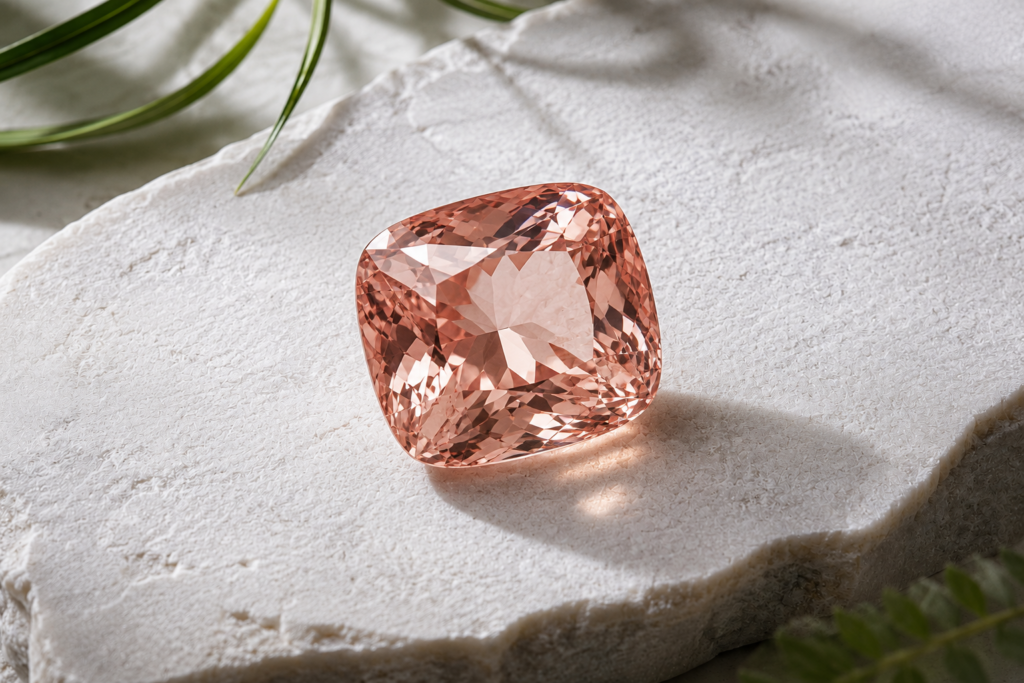
The cushion cut combines a square or rectangular shape with rounded corners and large, open facets. It has been popular for over 200 years, making it one of the oldest and most enduring cut styles.
Light performance: Strong but with a distinctly different character from round brilliant. The larger facets produce dramatic flashes of light rather than continuous sparkle.
Design impact: The cushion cut feels romantic, vintage, and substantial. Its soft corners make it more forgiving in settings than sharp-cornered cuts. Furthermore, it works particularly well in halo settings where surrounding stones amplify the center stone’s visual presence.
Best for: Center stones in vintage and romantic jewelry designs, halo rings, three-stone rings.
Common gemstones: Sapphire, spinel, tourmaline, morganite, aquamarine, tanzanite.
Emerald Cut
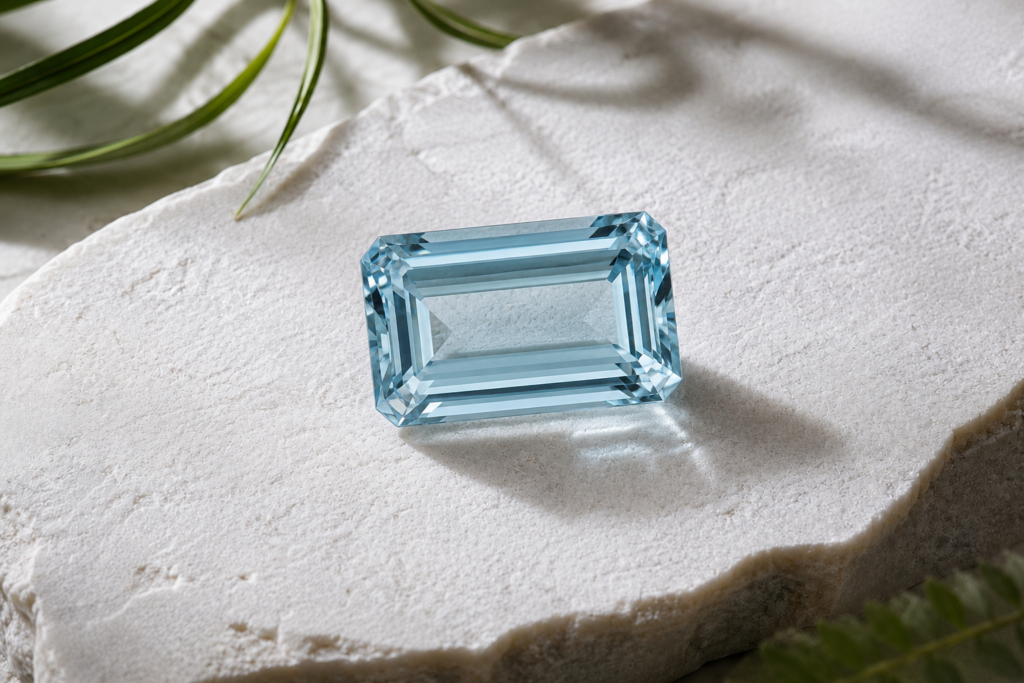
The emerald cut is a rectangular step cut — long, parallel facets arranged in steps rather than triangular facets of a brilliant cut. Originally developed for emerald, it is now used across many gemstone varieties.
Light performance: The emerald cut prioritizes clarity and color over brilliance. Rather than breaking light into sparkle, it creates broad flashes of light and dark — creating a sophisticated depth of field effect — that showcase color depth and stone clarity.
Design impact: The emerald cut is the most architectural and sophisticated of all cuts — clean, linear, and graphic. It communicates refinement and understated luxury. However, the open facets make inclusions more visible than brilliant cuts — meaning stone quality requirements are higher.
Best for: High-clarity stones, sophisticated and minimalist jewelry designs, elongated rings, art deco inspired collections.
Common gemstones: Emerald, aquamarine, tourmaline, morganite, sapphire, amethyst.
Princess Cut
The princess cut is a square brilliant — sharp corners with brilliant-style faceting for maximum light return in a square shape.
Light performance: Excellent — comparable to round brilliant, with strong light return.
Design impact: The princess cut is modern and geometric — more contemporary than the cushion cut’s romantic softness. Its sharp corners create a bold, defined silhouette. However, those sharp corners are vulnerable to chipping — prong settings should protect all four corners.
Best for: Modern and contemporary jewelry designs, channel settings, matching pairs.
Common gemstones: Diamond, sapphire, moissanite, amethyst.
Pear Cut
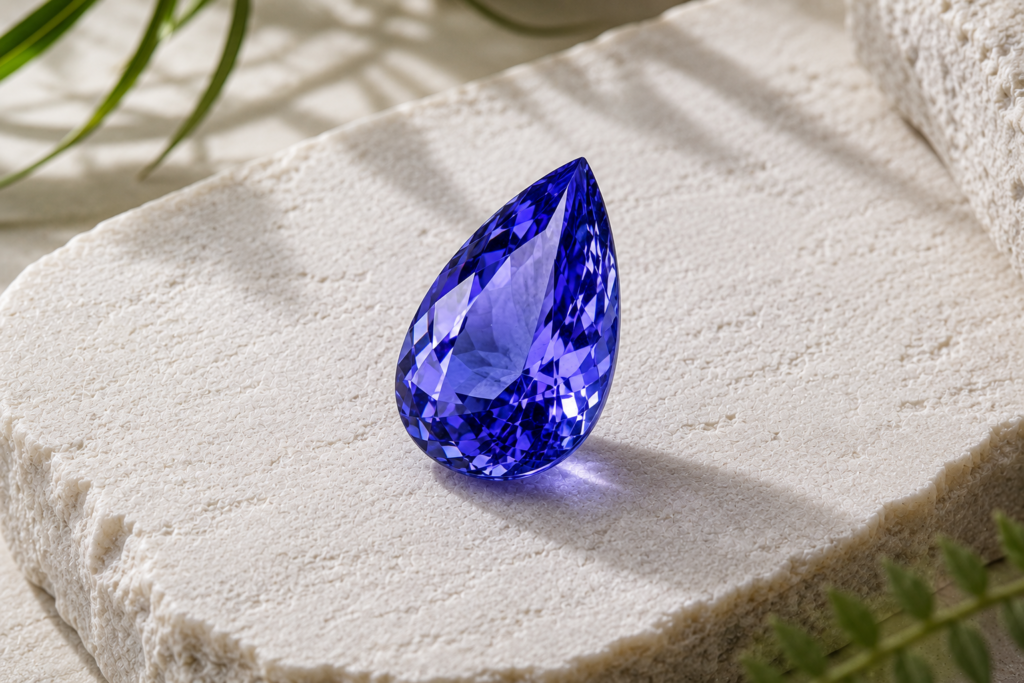
The pear cut combines a round brilliant base with a pointed tip, creating a shape that is simultaneously feminine and dramatic.
Light performance: Excellent — brilliant-cut faceting delivers strong light return across the stone’s surface.
Design impact: The pear cut is one of the most visually distinctive shapes in jewelry. In rings, it elongates the finger dramatically. In pendants, it creates a naturally elegant drop shape. In earrings, the pear silhouette produces beautiful movement.
Best for: Pendants, drop earrings, elongated ring designs, and any application where visual drama is desired.
Common gemstones: Sapphire, tourmaline, morganite, aquamarine, tanzanite, amethyst.
Marquise Cut
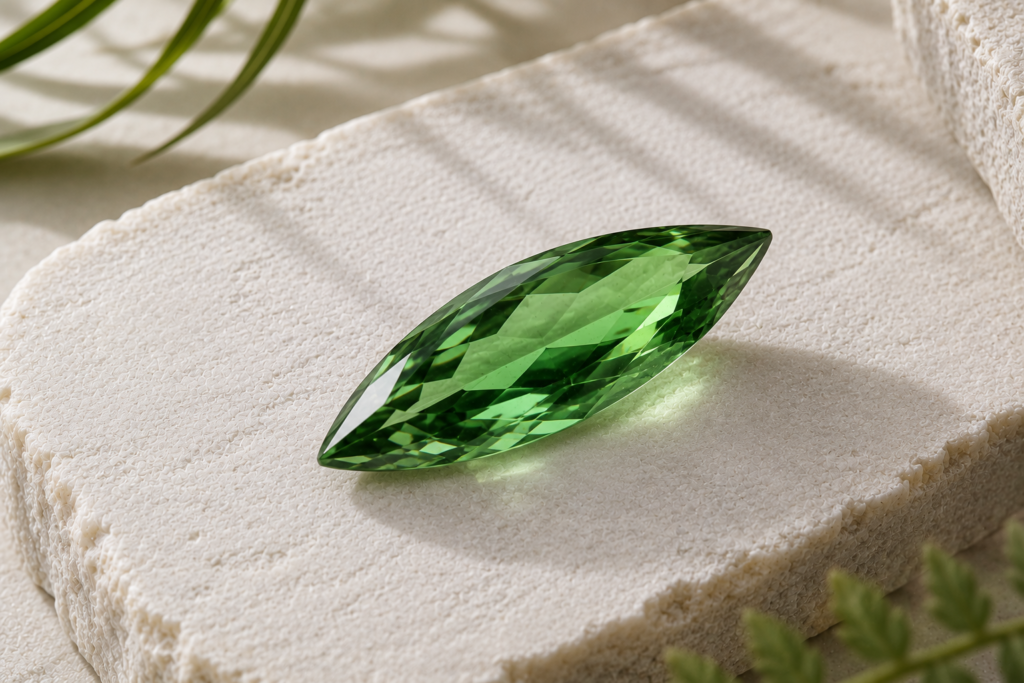
The marquise cut is an elongated shape with pointed ends at both tips — producing the largest face-up appearance per carat of any standard cut.
Light performance: Good — brilliant faceting delivers strong light return, though pointed ends can show shadowing if not cut to ideal proportions.
Design impact: The marquise creates an intensely distinctive, elongating aesthetic that has experienced periodic revivals in contemporary jewelry.
Best for: Elongated rings, pendants, and settings where maximum visual size from a given carat weight is the goal.
Trillion Cut
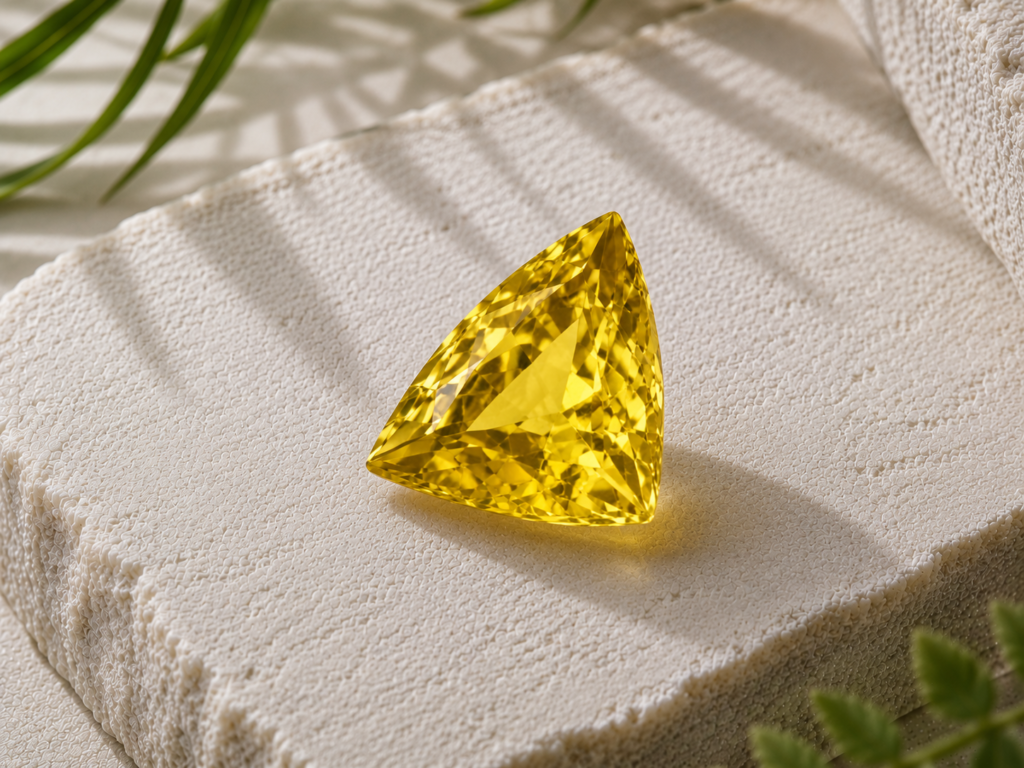
The trillion cut — also called trilliant — is a triangular cut with brilliant-style faceting. It is rarely used as a center stone but is one of the most popular cuts for side stones flanking a center piece.
Design impact: The trillion cut brings geometric interest and visual weight as side stones in three-stone ring designs. As a center stone, it creates a bold and unconventional statement.
Best for: Side stones in three-stone designs, unconventional center stone applications for distinctive brands.
Part 2 — Cabochon Cuts
Cabochon cuts are polished, domed surfaces without facets. They work for opaque, translucent, and phenomenal gemstones — stones that display optical effects like adularescence, chatoyancy, or asterism that are best shown through a smooth, curved surface.
Round Cabochon
The round cabochon is the most classic cabochon shape — a circular domed top with a flat or slightly curved base.
Design impact: Round cabochons are timeless and versatile — they work in prong, bezel, and inset settings across every jewelry category. Their symmetrical shape fits naturally into most ring and pendant designs.
Best for: Moonstone, turquoise, labradorite, star sapphire, star ruby, opal, malachite, chrysoprase.
At Eon Gems, round and oval cabochons in moonstone, turquoise, and labradorite are among our most popular stones for 925 sterling silver and gold vermeil jewelry manufacturing.
Oval Cabochon
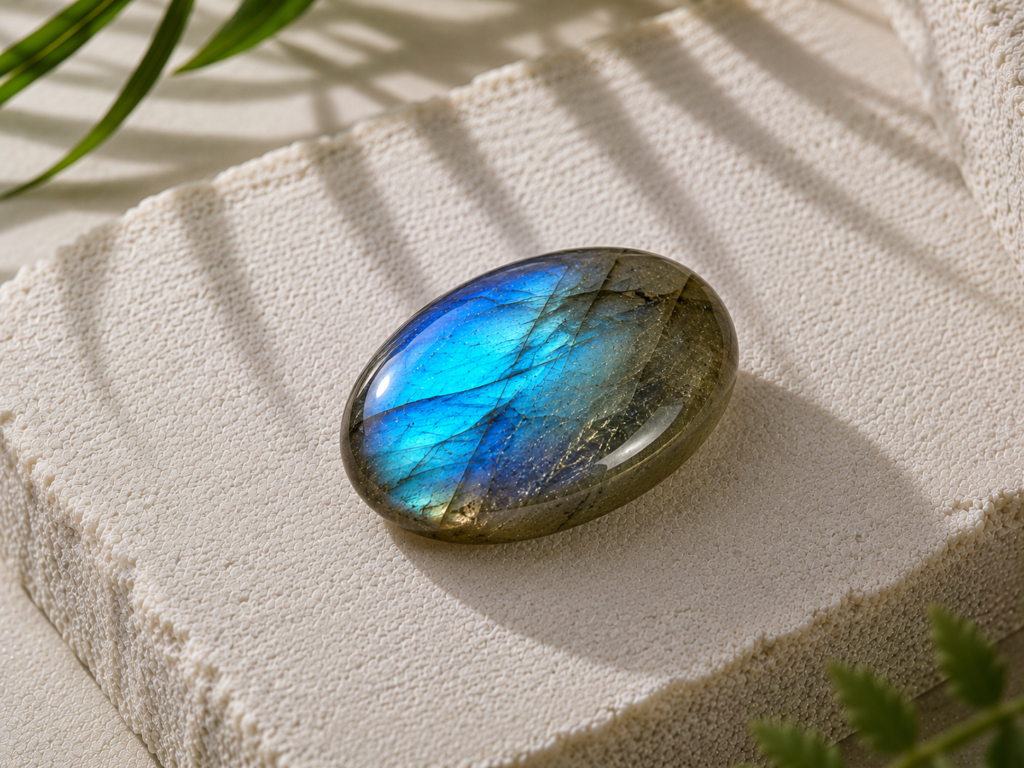
The oval cabochon is the most widely used cabochon shape in commercial jewelry — versatile, flattering in most settings, and available in a vast range of calibrated sizes.
Design impact: The oval cabochon’s elongated shape creates more visual interest than round while remaining easy to set in standard oval prong or bezel settings. It is particularly effective for stones with directional optical effects.
Best for: All phenomenal gemstones — moonstone, labradorite, opal, tiger’s eye.
Freeform Cabochon
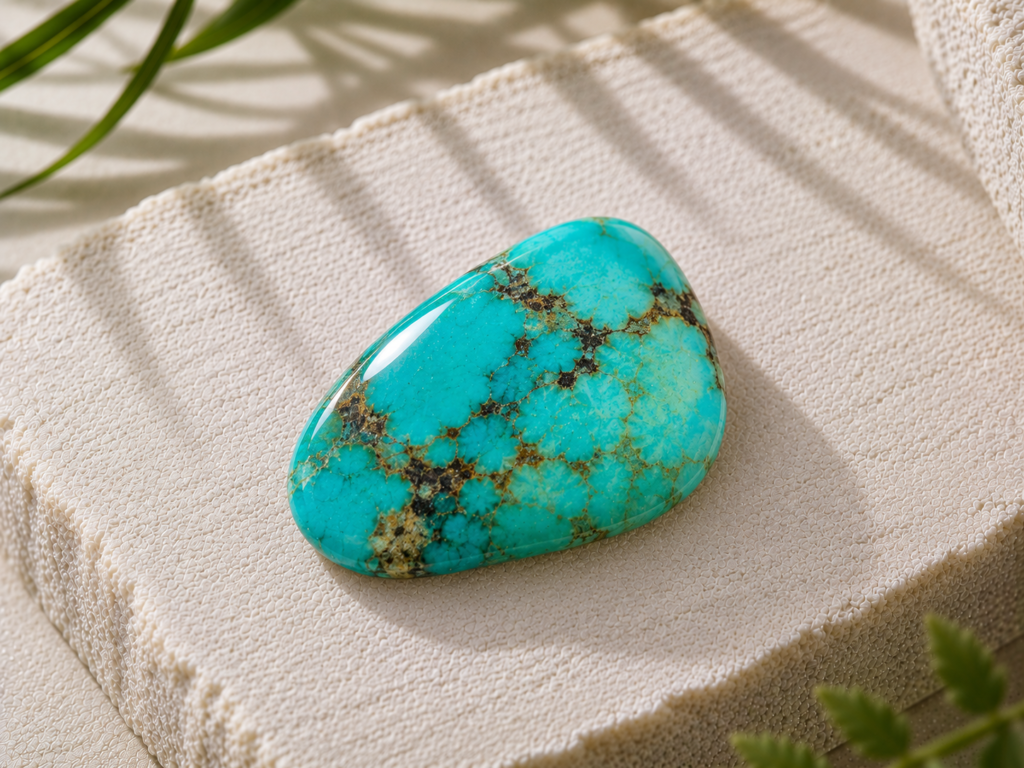
Freeform cabochons are cut without adherence to standard geometric shapes — the cutter follows the natural contours of the rough material to minimize waste and maximize visual impact of color patterns.
Design impact: Freeform cabochons produce one-of-a-kind pieces — no two are identical. This defines the artisan and bohemian jewelry aesthetic, where the unique, organic character of each stone is celebrated rather than standardized.
Best for: Artisan brands, spiritual jewelry, high-end one-of-a-kind collections. Turquoise, labradorite, Ethiopian opal, malachite, and dendrite agate are particularly popular in freeform cuts.
Setting requirement: Freeform stones require custom or bezel settings — standard prong settings do not fit freeform stones.
Part 3 — Rose Cut
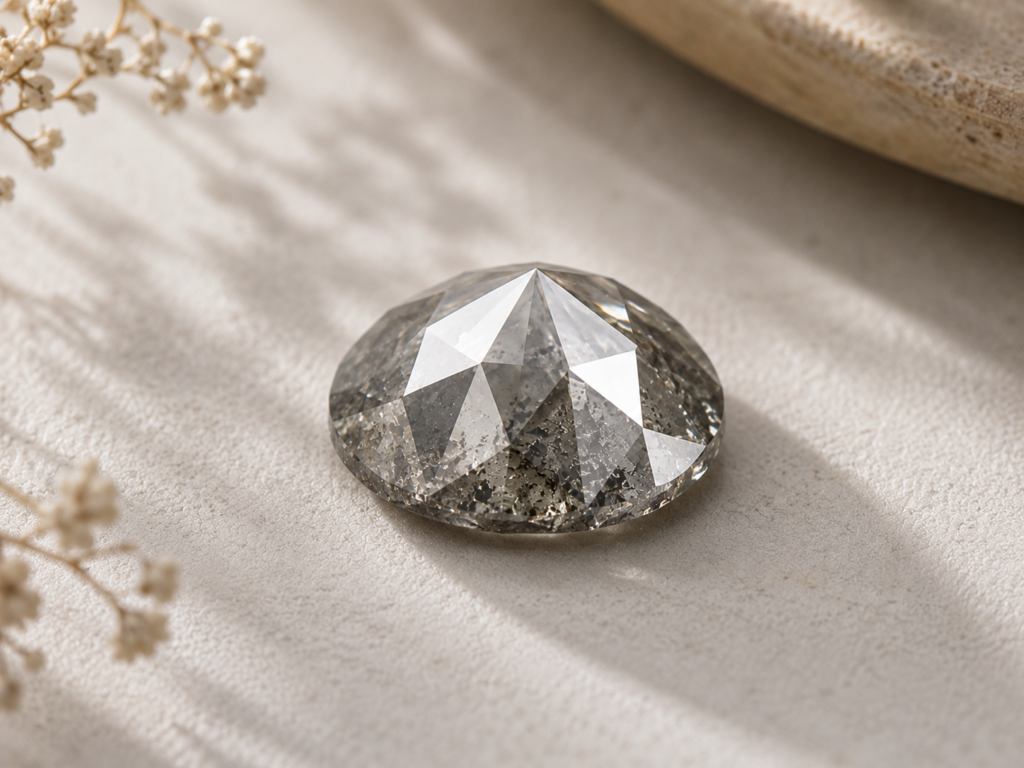
The rose cut is one of the oldest gemstone cuts — dating to the 16th century — featuring a flat base with a domed top covered in triangular facets. The number of facets typically ranges from 3 to 24.
Light performance: Significantly lower brilliance than modern brilliant cuts. The rose cut reflects light in a softer, more diffused way — gentle and romantic rather than intense.
Design impact: The rose cut is the most historically resonant of all gemstone cuts — deeply associated with antique, vintage, and art nouveau jewelry aesthetics. In contemporary jewelry, rose cut stones create a romantic, handcrafted feel that contrasts with the precision of modern brilliant cutting.
Best for: Vintage-inspired brands, artisan and handcrafted collections, organic and romantic aesthetics. Popular in 925 sterling silver settings where the softer light quality complements oxidized or matte finishes.
Common gemstones: Grey diamond, sapphire, spinel, moonstone, labradorite, amethyst, garnet.
Part 4 — Step Cuts
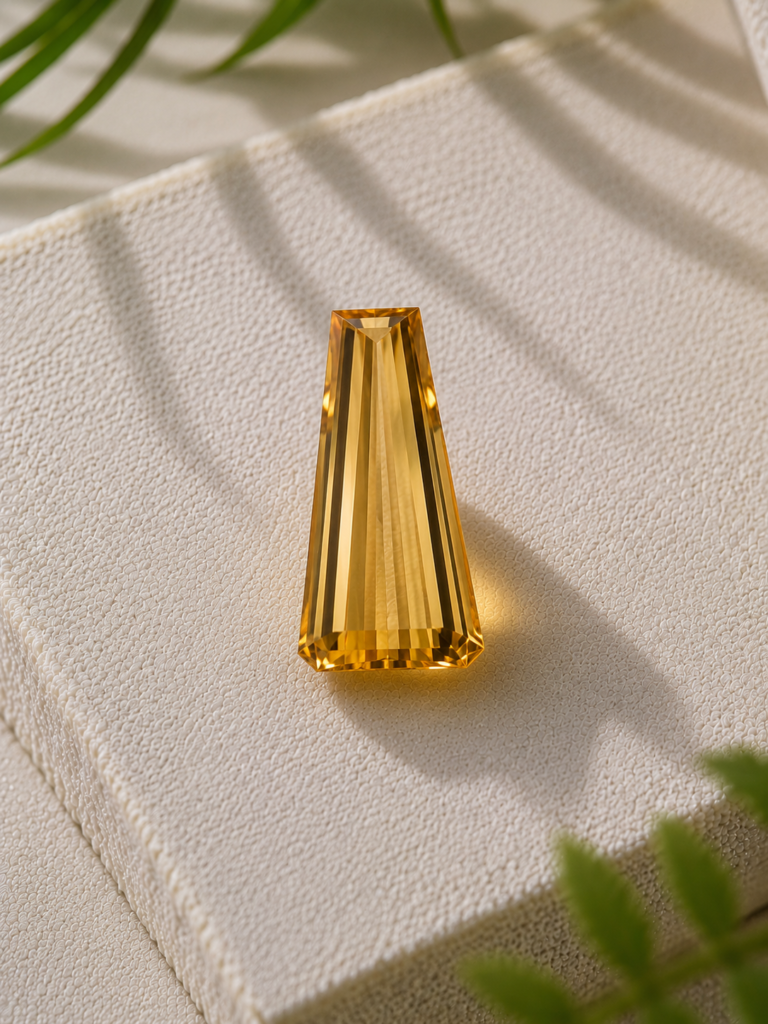
Step cuts feature rectangular or square facets arranged in parallel steps. They prioritize color and clarity display over brilliance, producing broad, calm flashes of light rather than sparkle.
Asscher Cut: A square step cut with cropped corners — creating the classic “hall of mirrors” optical effect. Popular in art deco inspired designs and experiencing strong contemporary revival.
Baguette Cut: A narrow rectangular step cut — typically used as a side stone rather than a center stone. Clean, linear, and architectural. Popular in channel settings flanking center stones.
Tapered Baguette: A baguette that narrows at one end — used as side stones in designs where the setting tapers toward the shoulders.
How Cut Choice Impacts Jewelry Design — Brand Guide
For jewelry brands and designers, cut is a strategic design decision that affects production, pricing, and market positioning:
For minimalist and modern collections: Emerald cut and east-west oval settings communicate clean, architectural aesthetics that define modern minimalist jewelry.
For romantic and feminine collections: Oval, pear, cushion, and rose cut stones carry soft, romantic associations. Furthermore, these cuts photograph exceptionally well in editorial and lifestyle contexts.
For artisan and bohemian collections: Freeform cabochons and rose cut stones are the definitive cuts — organic, unique, and handcrafted in character.
For spiritual and healing collections: Cabochons — round, oval, and freeform — are standard for phenomenal gemstones like moonstone, labradorite, and turquoise.
For maximum commercial appeal: Round brilliant and oval brilliant cuts deliver the strongest visual impact in product photography — critical for e-commerce focused brands.
For premium positioning: Emerald cut and cushion cut in high-clarity natural stones communicate the quality and understated luxury that positions a brand in the fine jewelry segment.
FAQs — Gemstone Cuts
Which gemstone cut is most brilliant?
The round brilliant cut produces the maximum light return of any cut when proportioned correctly. Moissanite in round brilliant cut produces even more fire than diamond due to its higher refractive index.
Which cut makes a gemstone look largest?
Elongated cuts — oval, marquise, and pear — appear largest face-up per carat weight. The marquise cut produces the greatest apparent size of any standard cut.
What is the difference between a faceted cut and a cabochon?
Faceted cuts have multiple flat, polished surfaces arranged to reflect and refract light as brilliance and fire. Cabochons have a smooth, domed surface without facets — used for opaque stones and those with special optical effects.
Why are some gemstones always cut as cabochons?
Stones that display optical phenomena — moonstone’s adularescence, tiger’s eye’s chatoyancy, star sapphire’s asterism — are cut as cabochons because the smooth dome is necessary to display these effects. Faceting would disrupt or eliminate the phenomenon.
Does cut affect gemstone price?
Yes — cutting quality affects both visual performance and price. Well-cut stones that maximize light return command higher prices than poorly cut stones of equivalent material quality.
Eon Gems — Custom Gemstone Cutting and Jewelry Manufacturing in Jaipur
At Eon Gems, our access to Jaipur’s world-class gemstone cutting community means we source virtually any stone in virtually any cut style — from standard calibrated brilliant cuts to custom freeform cabochons cut specifically for your design brief.
With 36+ years of gemstone jewelry manufacturing experience, we work with jewelry brands worldwide to develop collections where cut choice is integrated into the design process from the start — not an afterthought.
What we offer:
- All cut styles — round brilliant, oval, cushion, emerald, pear, marquise, rose cut, cabochon, freeform
- 250+ natural and lab-grown gemstone varieties
- Custom cut specifications for original designs
- All setting styles — bezel, prong, pavé, channel, freeform
- 925 sterling silver and gold vermeil manufacturing
- No MOQ — single prototype to large bulk production
- Complete export documentation for all major markets
👉 Get a Free Quote from Eon Gems →
🔗 Gemstone Jewelry Manufacturing →
🔗 925 Sterling Silver Jewelry →
🔗 Gold Vermeil Jewelry →